Pallet Shrink Wrapping Machine
Since 2004, Shanghai KUKO Packing Machinery Co., Ltd. has been a manufacturer of automated heat shrink packaging equipment and end-of-line handling systems. Our Pallet Shrink Wrapping Machine range encloses palletized loads in a heat-shrunk PE film hood before storage, container loading or long-distance transport, with two production bases in Shanghai and Kunshan and more than 200 packaging machine models across low-, medium- and high-speed series.
Position in the Fully-auto Pallet Stretch Wrapping Machine range
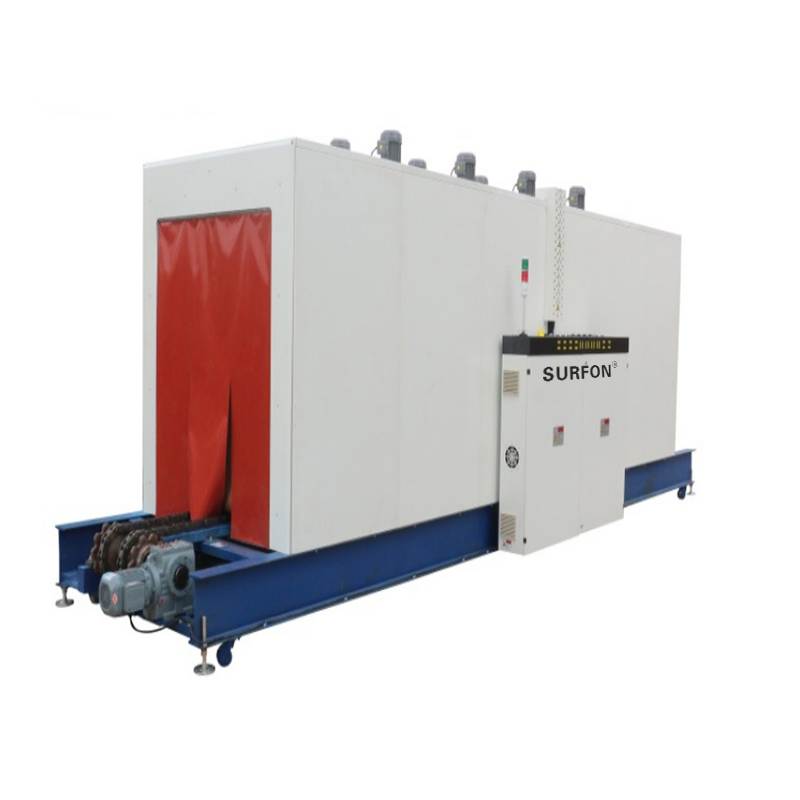
Pallet shrink wrapping uses a welded film hood or centerfold bag that is lowered over the load and shrinks tightly in a heat tunnel. The result is a five-sided weather-resistant cover with strong corner lock and a clean, printable film surface. It is usually specified instead of stretch wrapping when moisture, dust, pilferage or brand presentation matter more than film cost.
Inside our Fully-auto Pallet Stretch Wrapping Machine family, pallet shrink wrapping is the heat-based option. The same family also includes the Fully-auto Cold Stretch Hooding Machine, which applies an elastic hood without heat. We support both technologies because the right choice depends on load sensitivity, line speed and film cost.
Typical applications: bottled water and beverages, canned food, cement and tiles, chemical bags and pails, pet food, fertilizer, electronics cartons, paper reels and mixed warehouse pallets.
Application fit
We configure each machine around the load rather than treating pallet shrink as a one-size line. The following matches show where the technology works best.
| Application |
Typical load |
Why pallet shrink fits |
| Beverage and food |
Bottles, cans and bagged dry product on 1000×1200 or 1100×1100 mm pallets |
Enclosed hood protects against humidity, dust and label soiling while keeping printed branding visible. |
| Building materials and ceramics |
Tiles, cement bags, pipes, boards and stacked blocks |
Thicker PE film with a full hood holds irregular loads and improves corner protection. |
| Chemicals, fertilizer and pet food |
Bags, pails and small drums |
Five-sided coverage contains dust and spills and keeps products clean during outdoor storage. |
| Logistics and 3PL |
Mixed cartons on euro or half-pallets |
Recipe-based changeover between load heights and widths keeps mixed lines stable. |
If your product is sensitive to heat, or you want to remove the heating step entirely, we can propose cold stretch hooding instead. That decision is part of the proposal, not an afterthought.
Critical specifications and configuration
For a pallet shrink line, the machine layout is driven by pallet size, load height, film gauge and cycle time. We use the following variables to size the conveyor, film frame, sealing system and heat tunnel.
| Parameter |
What we check |
Effect on the machine |
| Pallet dimensions |
Length, width and height including overhang; pallet material and entry type |
Tunnel aperture, film hood width, frame opening and conveyor width. |
| Load weight and shape |
Bags, cartons, drums; centre of gravity; top load resistance |
Conveyor drive, film grade, and need for top hold-down or side guides. |
| Film specification |
PE shrink film gauge, shrink ratio, roll width and print registration |
Heating capacity, film feed speed, sealing temperature and dwell time. |
| Throughput target |
Pallets per hour, shift pattern and upstream palletizer rate |
Conveyor indexing speed, tunnel residence time and buffer length. |
Good results depend on matching the tunnel temperature profile and conveyor speed to the film. Hazing, dog ears, fish eyes and weak corner shrink are almost always the result of a mismatch between heat, dwell time and airflow. Our proposal defines these settings from the film and load data you provide.
Controls, automation and line integration
Our pallet shrink systems run on PLC control with an HMI designed for plant operators. We store recipes for each SKU so that height, temperature and conveyor speed can be recalled quickly. For long-running lines, we connect the machine to MES for cycle reporting, film consumption, fault history and temperature monitoring.
- Infeed from a palletizer or stretch wrapper with fixed or dynamic conveyor pitch.
- Film hood applicator or centerfold bag frame with powered film unwind.
- Integrated heat tunnel with temperature zones and adjustable airflow.
- Outfeed conveyor with low-pressure accumulation for downstream warehouse systems.
- Interlocks, photo-sensors and safety circuits for operator protection.
We supply these machines as standalone units or as part of a complete end-of-line project. When the scope includes upstream case packing and palletizing, we coordinate the control interfaces and conveyor timing so the line starts together.
Quality and project support
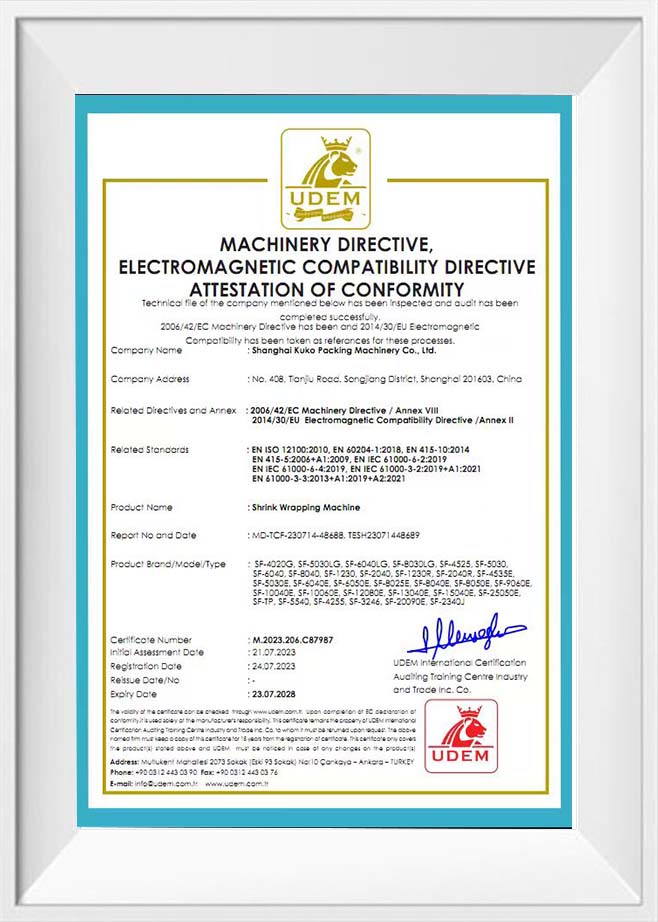
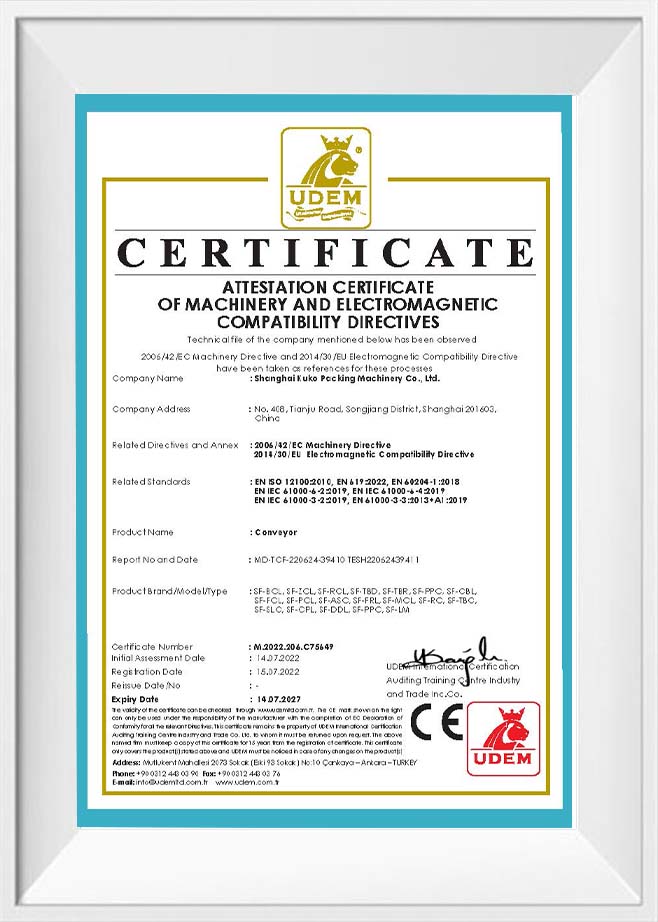
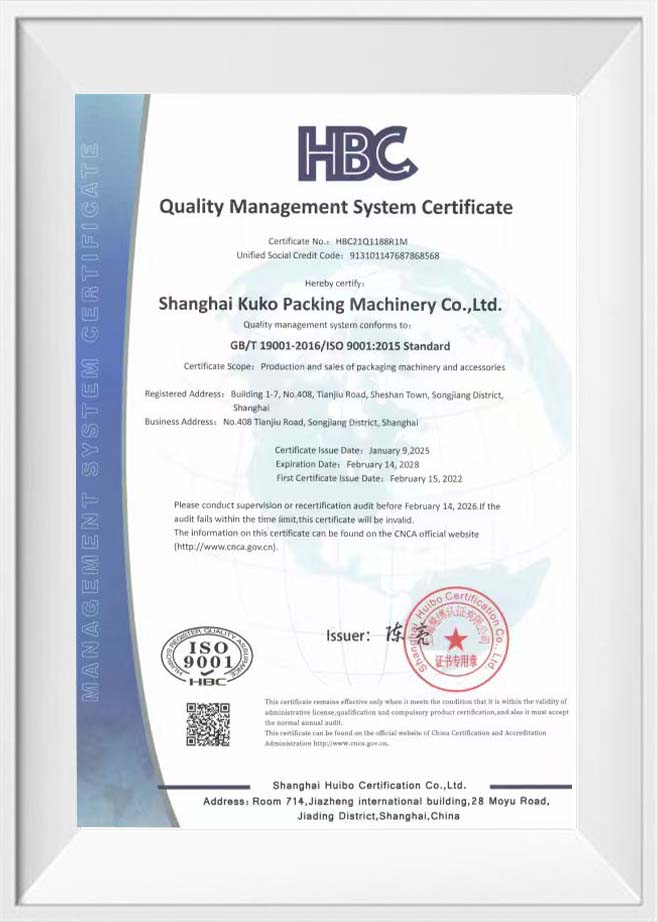
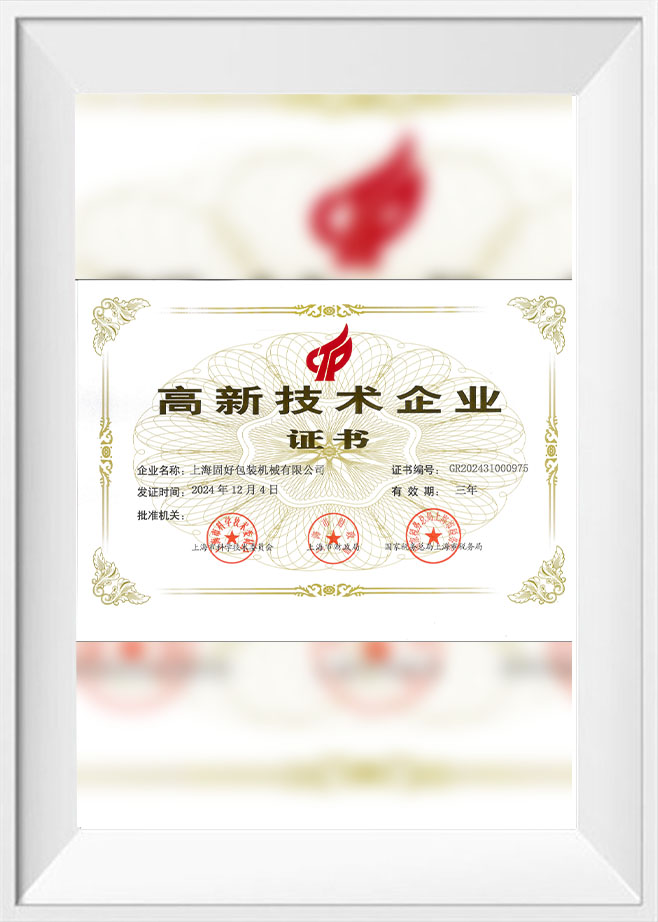
Shanghai KUKO operates two modern production bases with a combined workshop area of 34,000 m². Sheet metal is cut on German IPG laser machines and formed on imported servo bending machines, giving the machine frame the rigidity needed for long-term conveyor alignment and tunnel sealing. The company is ISO9001 certified, holds EU CE certificates, and is recognized as a Shanghai High-Tech Enterprise and a Specialized and Sophisticated Enterprise.
We design pallet shrink machines for 24/7 continuous operation and support every project with a one-year free warranty and lifetime maintenance. For international installations, we confirm the required electrical supply, voltage, frequency and local compliance conditions during the proposal stage.
Information we use to configure your solution
To prepare a concrete proposal, we need the project parameters below. We use these to select the film handling method, heating capacity, conveyor layout and control interface.
- Pallet footprint and type (wood, plastic, two-way or four-way entry), plus maximum load height and overhang.
- Product description: bag, carton, bottle, can, drum or pail; load weight; whether the top surface can support the film.
- Film sample or specification: PE shrink gauge, roll width, lay-flat width, shrink ratio and any print registration requirement.
- Production target: pallets per hour, number of SKUs, changeover frequency and working shifts.
- Line interface: incoming conveyor height, upstream palletizer type, downstream warehouse system and required control connections.
- Site utilities: electrical voltage and frequency, heating source preference, available floor space and ventilation conditions.
Frequently asked questions
What is the difference between pallet shrink wrapping and pallet stretch wrapping?
Pallet shrink wrapping uses heat to contract a PE film hood around the load, while stretch wrapping applies an elastic film under tension. Shrink provides a tighter, fully enclosed, tamper-evident cover; stretch is often preferred for stable loads where film economy and speed are critical. We match the technology to your load and line target.
Can one pallet shrink machine handle different pallet sizes?
Yes. We configure the machine around your pallet size range and load heights, then use recipe recall on the HMI to change film hood width, conveyor centering and tunnel temperature. The proposal will state the min/max range and the changeover time.
Which film should be used?
Pallet shrink normally uses low-density PE shrink film, typically from 60 to 200 microns depending on load weight and edge exposure. A film sample with known shrink ratio lets us set tunnel temperature zones and conveyor speed accurately before delivery.
What throughput can be achieved?
Throughput depends on pallet footprint, load height, film gauge and required film finish. We size the conveyor indexing system and tunnel length to your pallets-per-hour target, and we consider upstream palletizer output so the shrink line is never the bottleneck.
Can the machine be integrated into our existing line?
Yes. The machine accepts pallets from a palletizer, stretch wrapper or manual infeed at your conveyor height and hands off to your downstream system. We also provide PLC/MES connectivity so packaging data can be reported to the plant level.



 中文简体
 Español