


 中文简体
中文简体 Español
 2026.09.23
How Does Shrink Wrap Work? The Science and Machines Behind the Process | KUKO
Content
Walk through any supermarket, warehouse, or e-commerce fulfillment center and you will spot shrink wrap everywhere: the glossy film hugging a gift box, the tight bundle holding six bottles of water together, the protective skin stretched over a pallet of building materials. It looks effortless, yet behind every taut, wrinkle-free package sits a neat piece of polymer science and a well-set machine. After more than two decades of building shrink wrapping equipment at Shanghai KUKO Packing Machinery, we still enjoy explaining how it all works, so let us walk you through it the way we would on our factory floor in Shanghai.
What Is Shrink Wrap, Exactly?
Shrink wrap is a plastic film—most commonly polyolefin (POF), polyethylene (PE), or PVC—that is manufactured with a built-in memory. During film production, the plastic is heated and stretched in one or both directions, a process called orientation. Stretching pulls the long polymer molecules out of their relaxed, tangled state and lines them up, like springs held under tension.
As long as the film stays cool, it keeps that stretched shape. Reapply heat, however, and the molecules try to return to their natural, relaxed configuration. The film contracts in the same directions it was stretched, gripping whatever it covers. That is the whole trick: shrink wrap does not glue or melt onto your product. It shrinks around it, conforming to corners and curves with even pressure from every side—no tape, no adhesives, just controlled heat and a few seconds of dwell time.
This memory effect also explains why a properly shrunk package looks so smooth and why a badly set one does not: the film can only shrink as evenly as the heat and tension it was given.
The Four Stages of the Shrink Wrapping Process
On a production line, shrink wrapping is a repeatable sequence of four stages. Once you understand them, machine choices and most quality issues become much easier to judge.
Stage 1: Selecting and Loading the Film
The film arrives on a roll and is threaded through rollers so it can be formed around the product. Gauge (thickness), shrink ratio, and shrink direction all need to match both the product and the machine. A thin, clear POF film suits retail goods that need a crisp presentation, while rugged PE film is the choice for heavy multipacks and industrial loads.
Stage 2: Wrapping and Sealing
Next, the film is loosely enclosed around the product and sealed. On an L-bar sealer, the product is fed into a web of film and an L-shaped bar seals two sides in one motion, forming a snug pouch. Side sealers perform the same job continuously for high-speed lines, while sleeve sealers seal only crosswise, leaving openings that let air escape and long items pass through. A clean, complete seal matters more than anything else at this stage, because any weak spot will open up the moment the film starts to pull.
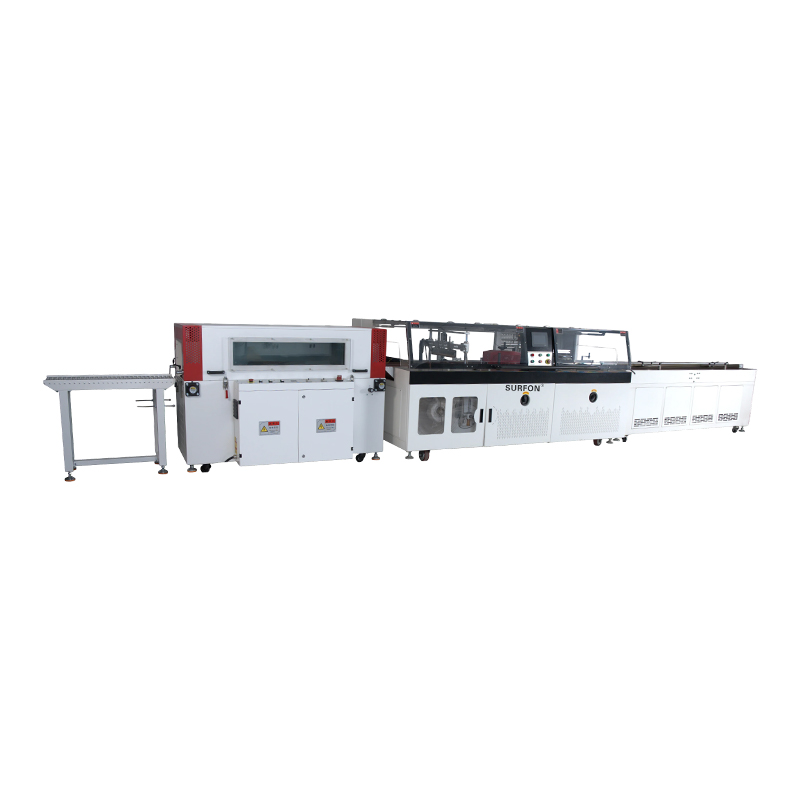
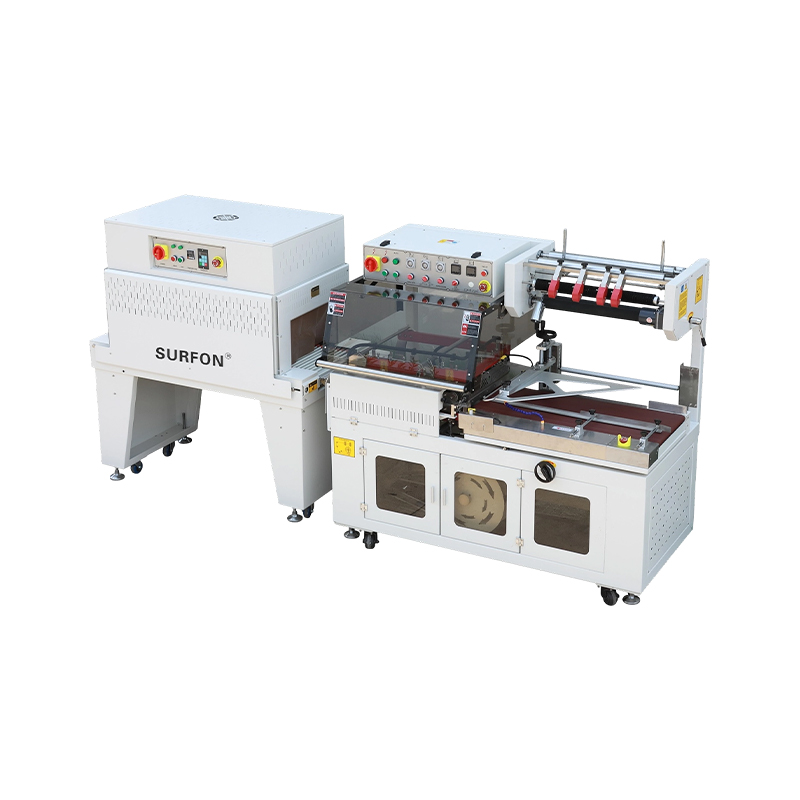 Fully-Automatic L-Bar Sealer with Shrink TunnelAn integrated L-bar sealing and shrink tunnel unit that automates feeding, film wrapping, sealing, and heat shrinking for small boxes. It suits small to medium-batch production, delivering smooth, consistent seals at the critical sealing stage described above.View Product →
Stage 3: Applying Heat
The sealed package then travels through a shrink tunnel, where circulating hot air surrounds it evenly—typically somewhere between roughly 120°C and 180°C depending on the film. The heat releases the film's memory and it contracts tight in seconds. Tunnel temperature, conveyor speed, and airflow determine how gently or aggressively that happens; balanced settings give a smooth finish, while careless ones cause burns, wrinkles, or loose corners.
Stage 4: Cooling and Finishing
As the package exits the tunnel, the film cools and locks into its final, taut shape. From this point the pack is dimensionally stable: tamper-evident, dust-resistant, and ready for stacking, labeling, or shipping. For sleeve-style bundles, proper cooling also fixes the collation so the multipack can be handled immediately.
Why the Film Type Changes Everything
Not all shrink films behave alike, and choosing between them is one of the first decisions on any packaging project. The three most common families each have a distinct character:
| Film | Typical Shrink Range | Key Strengths | Typical Uses |
|---|---|---|---|
| POF | Approx. 120–160°C | Excellent clarity, strong and flexible seals | Retail goods, food, electronics, gift packs |
| PE | Approx. 150–200°C | Very tough, tear-resistant, suited to heavy loads | Beverage multipacks, building materials, pallets |
| PVC | Approx. 100–150°C | Low shrink temperature, stiff and glossy, economical | Printed shrink sleeves, boxes, stationery |
Because each film shrinks at a different temperature and in a different way, machines are usually tuned to a film family rather than the other way around. That is why equipment makers like us split our range into dedicated POF machines, PE machines, and label shrink tunnels—matching the heat profile to the material is what turns a good film into a good package.
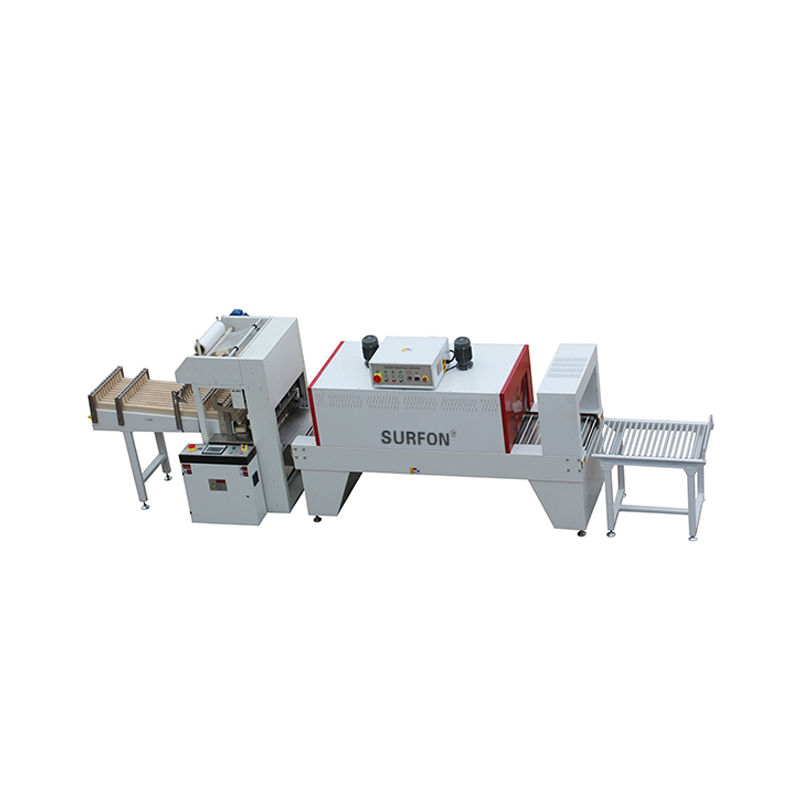
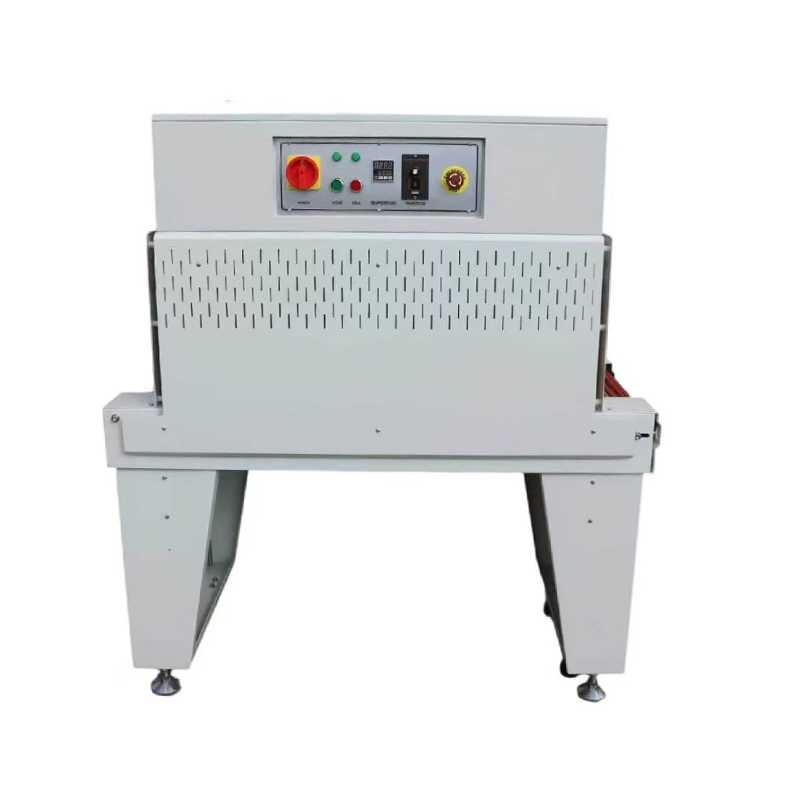 POF Film Shrink Wrapping MachinesPOF-specific shrink wrapping equipment engineered for continuous 24/7 operation, with models spanning low to high speeds. Because POF film requires a matched heat profile, dedicated machines like these help achieve reliable wraps without scorching or loose corners.View Product →
The Machines That Do the Shrinking
Put simply, shrink wrapping machinery exists to industrialize stages two and three: wrap and seal consistently, then apply heat precisely, thousands of times per shift. The main families you will encounter include:
- Sealing and shrinking combos, such as L-bar, side-seal, and corner-seal machines, which enclose and seal a product before passing it straight into a shrink tunnel.
- Sleeve sealing shrink wrappers, which collate bottles, cans, or cartons into multipacks and shrink a tough sleeve around them.
- Label shrink tunnels, which use hot air or steam to shrink full-body PVC or PET sleeves tightly onto bottles and containers.
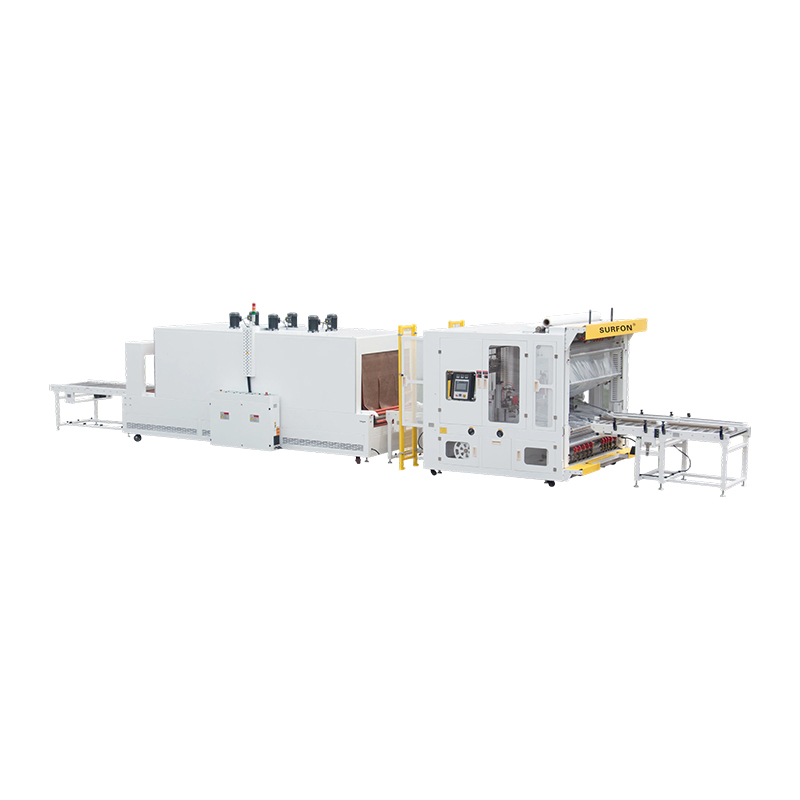
- Pallet shrink wrappers, which apply hoods or covers that stabilize entire pallets for warehousing and transport.
Automation level is the other big variable. A semi-automatic L-bar machine with manual feeding suits low-volume workshops, while fully automatic lines—integrated with upstream conveyors and MES systems—run around the clock in food, beverage, and electronics plants. For a broader walkthrough of equipment categories and how they differ, our detailed guide to heat shrink film packaging machines is a good next step.
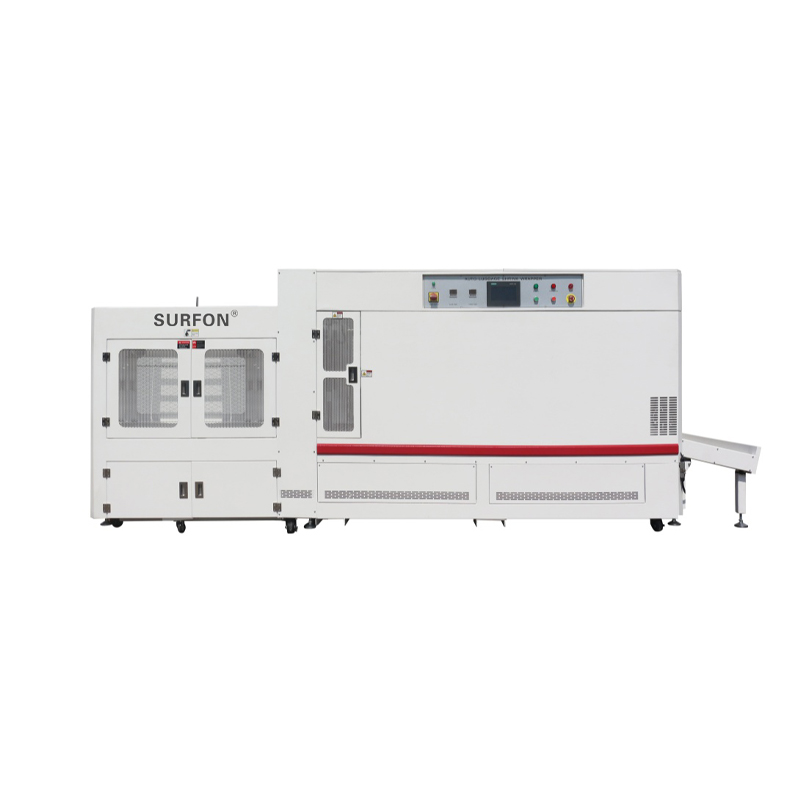
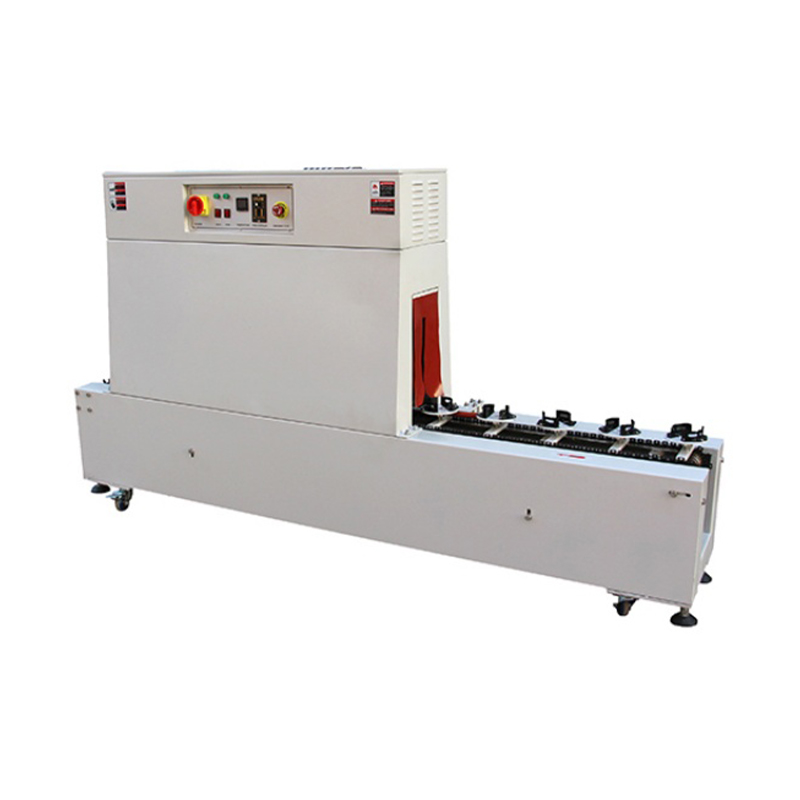 Rotary Label Shrink Packaging MachineA rotary heat shrink tunnel for bottle and container labeling, using 360° rotating clamping and dual-circulation hot air for even heating. It prevents label wrinkling and stretching, complementing automation levels from standalone use to full production lines.View Product →
What Good Shrink Wrapping Delivers
Understanding the mechanism makes it clear why the technique is so widespread. Done properly, shrink wrapping:
- Protects: sealed film keeps out dust, moisture, and abrasion during storage and transit.
- Secures: any puncture or opening is instantly visible, giving natural tamper evidence.
- Bundles: individual units become stable, sellable multipacks without extra cartons.
- Presents: a smooth, transparent finish shows the product while keeping it pristine.
- Stabilizes: tightly shrunk loads stop shifting, which matters enormously on pallets.
These benefits cut across industries, which is why we see the same fundamentals at work everywhere from food and beverage bottling to solar module logistics. If you want to see how the principle adapts to different products, our overview of shrink packaging applications collects real examples from the sectors we serve.
Small Details That Decide Shrink Quality
In our experience, most shrink wrapping problems trace back to a handful of settable factors. If you are commissioning a machine or diagnosing a wrinkle, work through this list:
- Film match: check that gauge, width, and shrink ratio suit the product's size, weight, and sharpest edges.
- Seal integrity: confirm the seal is complete and strong before the package enters the tunnel, since shrinking exposes every weak point.
- Temperature: raise tunnel settings gradually—too hot scorches or over-shrinks the film, too cool leaves loose corners and wrinkles.
- Dwell time: balance conveyor speed against tunnel length so the film receives enough heat for long enough.
- Cooling patience: let packages cool and set before stacking or handling, or the finish will relax and mark.
Shrink wrap works because of a simple, elegant idea: stretch a film, then let heat call it back. Turning that idea into thousands of flawless packages an hour, shift after shift, is where engineering and experience come in. Since 2004, that has been our whole focus at Shanghai KUKO Packing Machinery—from compact semi-automatic sealers to fully automatic lines built for continuous production. If you are weighing up shrink wrapping for your own products, we are always glad to talk through film, speed, and line layout, and to share what we have learned on the factory floor.

-
 How Many Feet of Stretch Wrap Per Pallet and Which Machine Is Right for Your Output
 -
How Much Stretch Wrap Per Pallet? Calculate Film Usage and Reduce Costs
-
What Are the Applications of Heat Shrink Packaging Machines?
-
KUKO Debuts at INTERPACK 2026, Leading the New Industry Trend with Smart Packaging Solutions


Copyright @ Shanghai KUKO Packing Machinery Co., Ltd. All rights reserved
