


 中文简体
中文简体 Español
 2026.10.14
How Long Does Shrink Wrap Last? Film Shelf Life, Storage, and Use Cases
Content
- 1 Two Different Clocks: Film Aging on the Roll and in Service
- 2 Typical Shrink Wrap Lifespan by Film Type and Application
- 3 What Makes Shrink Wrap Degrade Faster
- 4 Heavy Loads and Outdoor Pallets: Where PE Film Earns Its Keep
- 5 How to Store Shrink Film So It Stays Usable
- 6 Signs Your Shrink Wrap Is Past Its Prime
- 7 Machine Settings That Quietly Decide How Long a Wrap Holds
- 8 Matching Film Life to Your Product and Supply Chain
- 9 Common Questions About Shrink Wrap Lifespan
"How long does shrink wrap last?" is one of the questions our team hears most often, and the honest answer is that it depends on which clock you are watching. Film still on the roll ages very differently from film already wrapped around a product. A roll of POF film kept in a cool, dark warehouse usually stays workable for twelve to twenty-four months, while that same film wrapped around a tray of drinks only needs to hold its shape for a few weeks of distribution. Outdoor wraps used on boats, machinery, or building materials sit somewhere in between, often twelve to twenty-four months when a UV-stabilized film is chosen.
So instead of one number, the useful answer is a range with reasons behind it. Below we walk through the film types, the conditions that shorten or extend their life, and the small habits in storage and machine setup that make a real difference.
Two Different Clocks: Film Aging on the Roll and in Service
Shrink film starts aging the moment it leaves the extruder. On the roll, the main threats are heat, sunlight, and pressure: polymer chains slowly lose flexibility, and the film can turn cloudy or brittle before it is ever used. Kept under reasonable conditions, most packaging films remain usable for roughly one to two years.
Once wrapped, the film faces a different set of stresses. It is stretched, sealed, and passed through a heat tunnel, then handled, stacked, and shipped. That is where the second clock runs: a wrap that looks tight and clear on day one can look tired by the sixth week if the seal was weak or the tunnel was running too hot. In practice, we suggest tracking two numbers separately — how long the roll stays good, and how long the finished wrap needs to look good.
Typical Shrink Wrap Lifespan by Film Type and Application
Every film family behaves differently, and so does every application. The table below reflects the working ranges we see most often across packaging, logistics, and outdoor protection. Treat them as planning figures rather than promises.
| Film type | Typical use | Expected lifespan | Main influences |
|---|---|---|---|
| POF polyolefin | Retail multipacks, boxes, trays, printed wraps | 12-24 months stored; weeks to months in service | Gauge, storage temperature, direct sunlight |
| PE polyethylene | Heavy goods, pallets, outdoor loads | 12-24 months stored; about 6-12 months outdoors | UV additives, thickness, wrap tension |
| PVC / PET sleeve film | Bottle, jar, and container labels | 12 months or more on the shelf | Ink and print process, humidity, storage heat |
| Cold stretch hood film | Palletized loads in logistics | About 6-12 months in service | UV stabilization, load sharpness, tension |
| Marine and construction wrap | Boats, equipment, temporary structures | 12-24 months, longer in mild climates | UV levels, wind, installation quality |
What Makes Shrink Wrap Degrade Faster
Almost every early failure we investigate comes back to one of a handful of causes:
- Ultraviolet light. Sunlight attacks the polymer surface, and thin film without UV protection can show signs of breakdown in as little as three to six months.
- Sustained heat. Storage above roughly 30 °C softens film on the roll and speeds up the migration of additives.
- Humidity and condensation. Moisture trapped between layers can cloud the film and weaken seals later on.
- Physical stress. Sharp corners, over-tension, and rough handling puncture film long before the material itself ages.
- Gauge and formulation. A light film without stabilizers simply ages faster than a heavier, stabilized one.
Heavy Loads and Outdoor Pallets: Where PE Film Earns Its Keep
When a wrap has to survive a truck, a yard, or a rainy loading dock, PE film is usually the practical choice. It is thicker, more puncture-resistant, and can be produced with UV stabilizers that push outdoor performance toward a year or more. The trade-off is appearance: PE is hazier than POF, which rarely matters for industrial loads but does matter on a retail shelf.
For palletized or bulky products, choosing the right machine matters as much as the film itself, because tension and tunnel settings decide whether the wrap stays tight through handling.
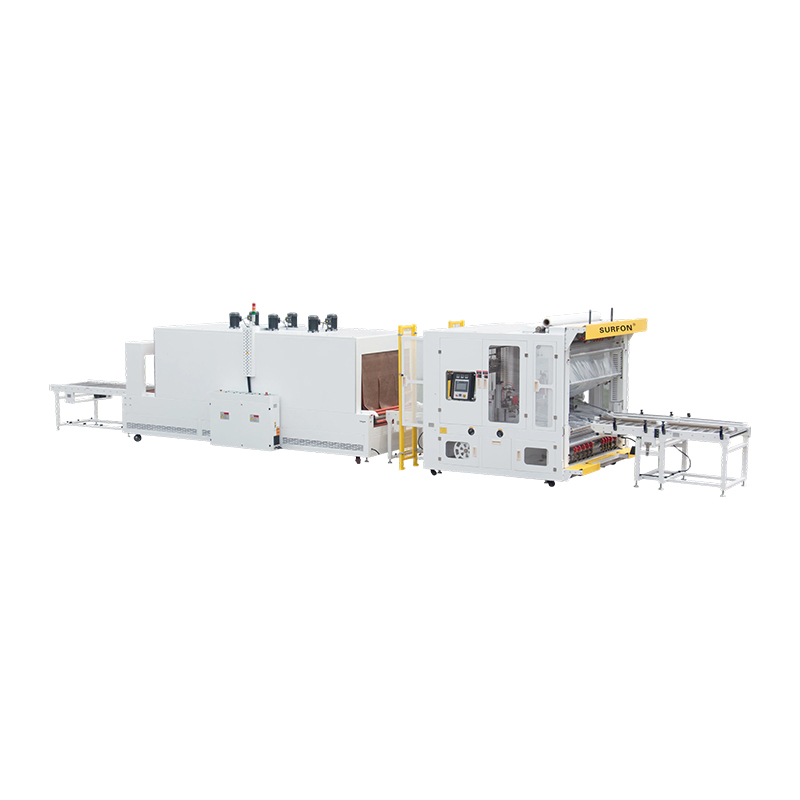
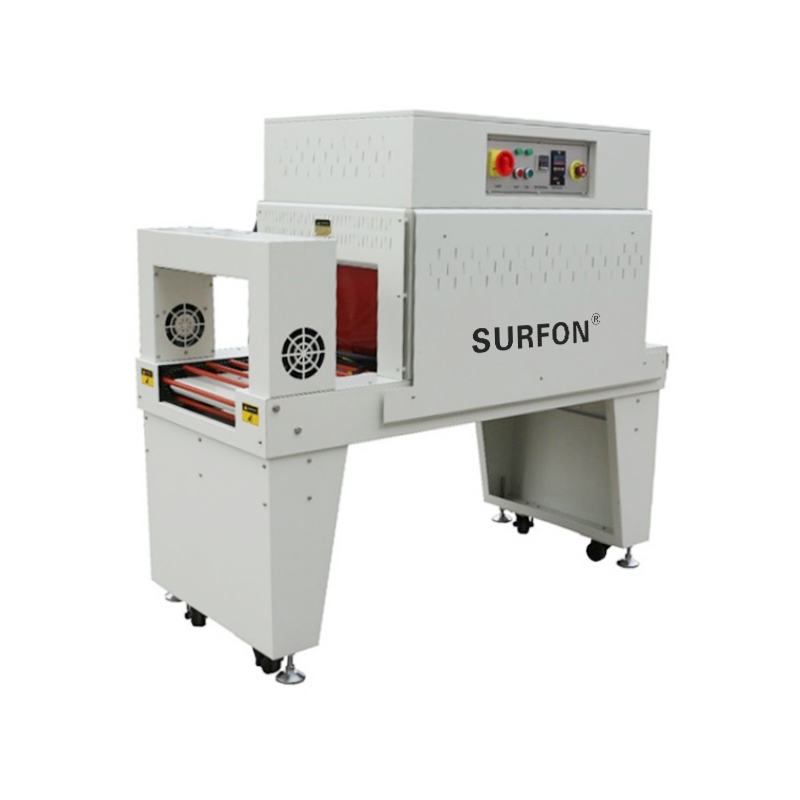 PE Film Shrink Wrapping Machine Range for Bulky ProductsChoose among compact, larger and extra-wide PE heat shrink models; tunnel length, airflow and PLC temperature control help keep wraps tight through handling.View Product →
How to Store Shrink Film So It Stays Usable
Storage is the cheapest way to extend film life, and it is the step most often skipped. A few simple habits make a noticeable difference:
- Keep rolls in a cool, dark place, ideally below 25 °C.
- Leave the original wrapping on until the roll goes onto the machine.
- Store rolls horizontally on shelves rather than on the floor.
- Keep film away from the heat tunnel and from forklift traffic.
- Rotate stock first in, first out, so older rolls are used first.
Signs Your Shrink Wrap Is Past Its Prime
Film rarely fails without warning. Watch for these signals before the roll reaches the machine:
- Brittleness, or cracking when the film is bent.
- A cloudy or chalky surface that no longer looks clear.
- Uneven shrinking, with wrinkles or thin strands at the seams.
- Seals that pull apart easily under light handling.
- A stale, plastic smell when the roll is opened.
When two or three appear together, the roll has aged out. Pushing it through production usually costs more in downtime and rejected packs than a new roll would.
Machine Settings That Quietly Decide How Long a Wrap Holds
Even fresh film can produce a short-lived wrap. Seal temperature, tunnel temperature, conveyor speed, and airflow together determine how the film shrinks and how strong the seal becomes. Run the tunnel too hot and the film thins out and turns brittle at the corners; run it too cool and you get loose, cloudy wraps that shift in transit.
This is why setup deserves as much attention as film selection, and why we publish practical reference material for buyers — our overview of heat shrink film packaging machinery walks through the process from sealing to shrinking in detail.
POF film, the workhorse of retail packaging, is especially sensitive to tunnel balance. It rewards a machine that holds steady temperatures even at high cycle rates.
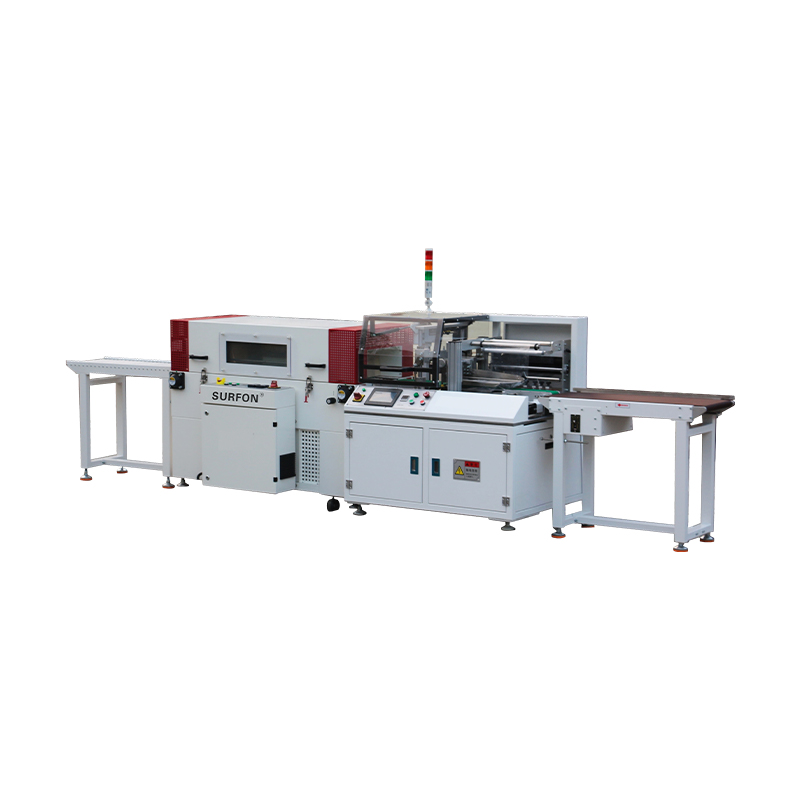
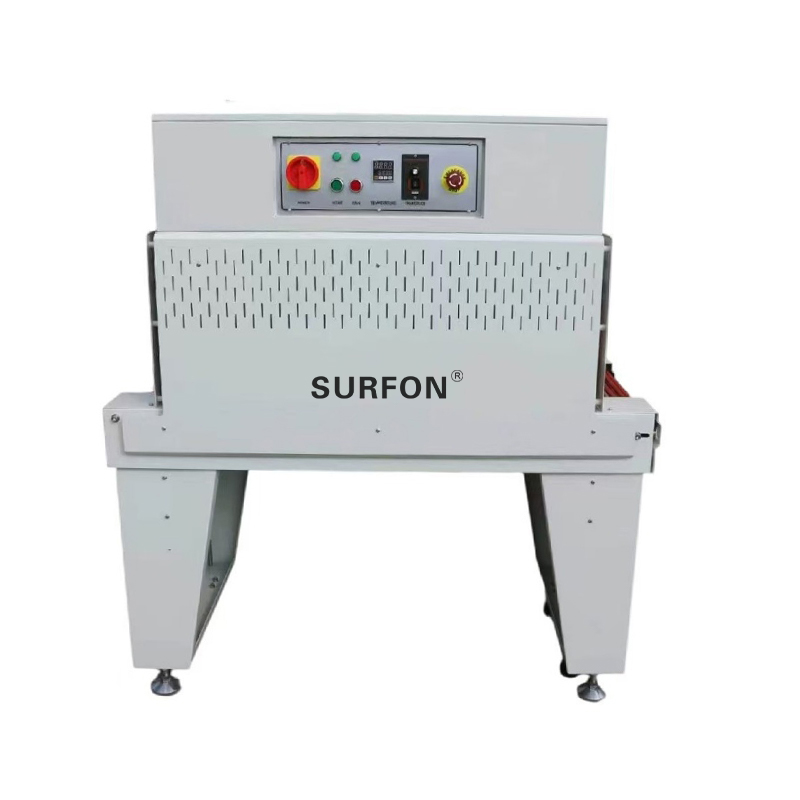 POF Film Shrink Wrapping Machines for Retail PackagingExplore sealing-and-shrink systems and automatic line-ready models for clear, tight POF packaging of retail multipacks and food, beverage or pharmaceutical products.View Product →
Matching Film Life to Your Product and Supply Chain
The right lifespan is the one that matches your distribution, not the longest one available. A tray of drinks sold within weeks does not need a film rated for two years outdoors; a pallet of panels waiting months in a yard does. Food and beverage packaging tends to value clarity and consistent shrinkage over maximum durability, while export loads usually need puncture resistance and UV protection first.
Think about how long your product sits in a warehouse, how it travels, and what the customer sees when the carton or pallet is opened. For pallet-level protection, where the film has to stay tight through outdoor storage and repeated handling, a dedicated pallet shrink wrapping machine is often a better fit than a carton-level system.
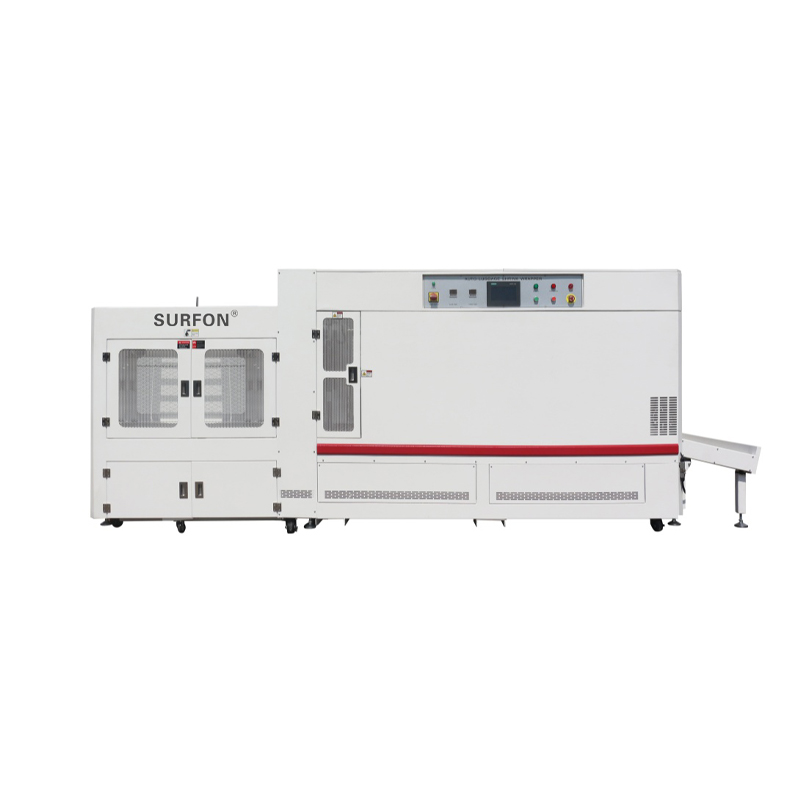
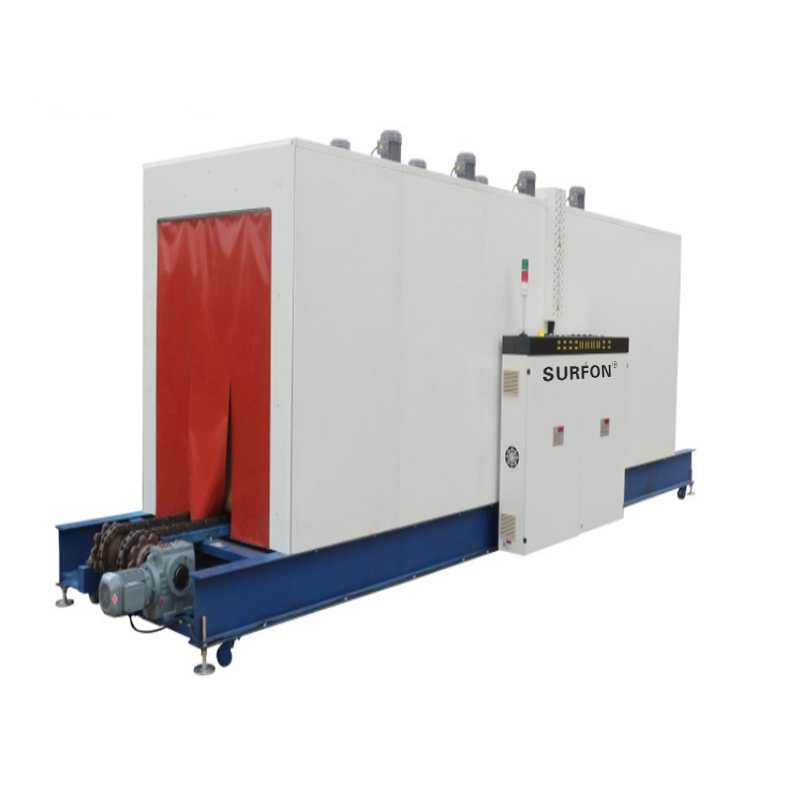 Pallet Shrink Wrapping Machine for Weather-Resistant Load ProtectionUse heat-shrunk PE film hoods to create five-sided, tamper-evident covers that stay tight through outdoor storage and repeated pallet handling.View Product →
Common Questions About Shrink Wrap Lifespan
Does shrink wrap expire if it is never opened?
Yes, slowly. Sealed rolls kept in a cool, dark space typically remain usable for twelve to twenty-four months. If the film feels stiff or looks cloudy, it has aged past its useful point even if the roll is still full.
Can outdoor shrink wrap last more than a year?
With UV-stabilized film, correct tension, and reasonable shelter from wind and abrasion, twelve to twenty-four months is realistic. In our experience, wind and sharp corners cause failure earlier than sunlight does.
Is thicker film always the better answer?
Not automatically. Thickness improves puncture resistance, but a clean seal and correct tunnel settings do more for wrap life than extra gauge. A thin film applied well often outlasts a heavy film applied badly.
If more than two decades in shrink wrapping has taught us anything, it is that lifespan is a system question: film, storage, product, machine, and handling all play a part. Answer them together and you will rarely be surprised by a wrap that gives out too early. If you would like to talk through your own case — a particular film, product, or line speed — our engineers are always glad to help.



Copyright @ Shanghai KUKO Packing Machinery Co., Ltd. All rights reserved
