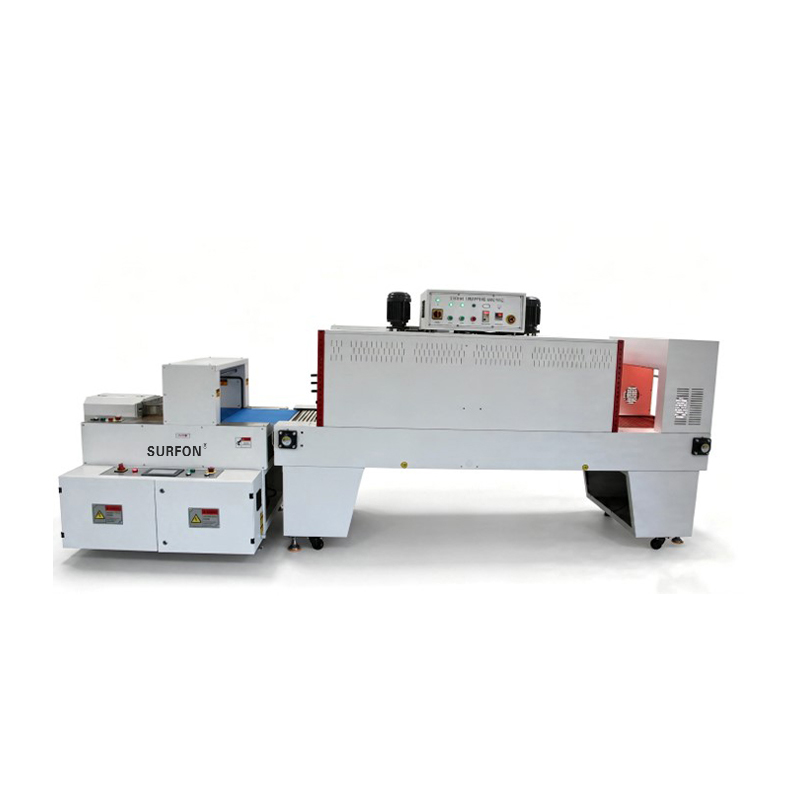
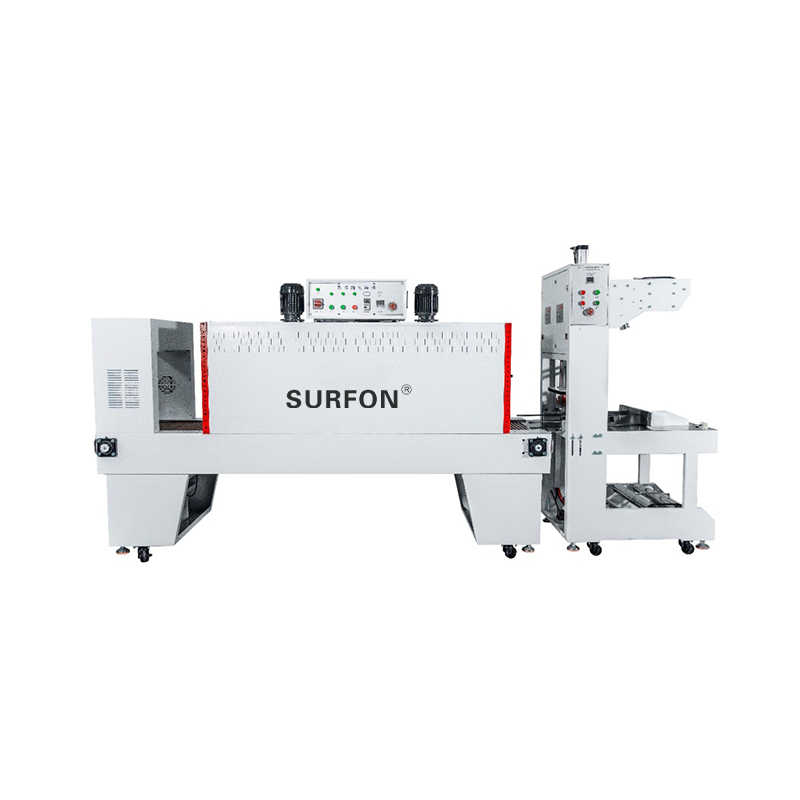
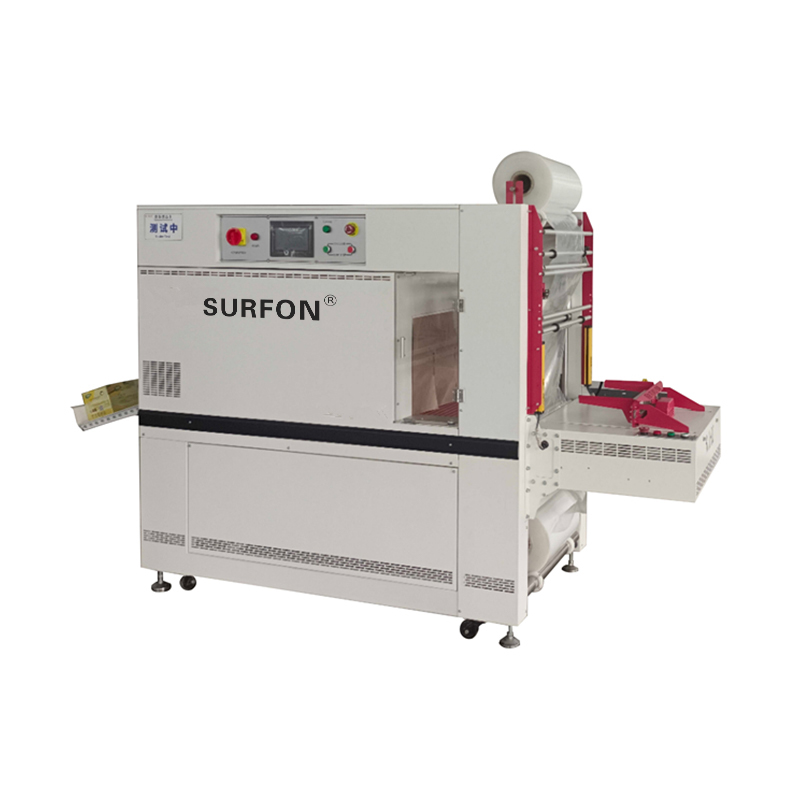
Shanghai KUKO Packing Machinery Co., Ltd. designs and builds heat shrink packaging systems from our production bases in Shanghai and Kunshan. As the Semi-auto Sleeve Sealing Shrink Wrapping Machine manufacturer, we supply the equipment between manual wrapping and fully automatic sleeve sealing: a sealing station with film feed and a matched shrink tunnel, arranged for operator-assisted loading and automatic sealing cycles. The result is a compact, repeatable packaging step that fits batch production, promotional bundles, and lines with frequent format changes.
Positioning within the Sleeve Sealing Range
Within the Sleeve Sealing Shrink Wrapping Machine family, semi-auto configurations suit plants that want consistent seal quality and finished pack appearance without investing in full infeed automation. Fully automatic sleeve sealers take over product grouping, film forming, sealing and shrinking for higher throughput, while the semi-auto line remains a practical starting point for lower-volume production.
Our portfolio includes more than 200 models across low, medium and high speed. A semi-auto sleeve sealing line can later become a buffer station, or the tunnel can be retained when the sealing section is upgraded to a Fully-auto Sleeve Sealing Shrink Wrapping Machine. For the complete machine range, review our Products.
Application Fit
Industries served include food, daily chemicals, electronics, logistics, pharmaceuticals, and furniture. The semi-auto design is especially common for bottle multi-packs, can tray bundles, cosmetic gift sets, and carton consolidation in e-commerce and distribution centers.
- Food and beverage: multi-pack water, beverages, cans, sauce jars and boxed goods
- Daily chemicals: shampoo pairs, detergent bundles, promotional gift sets
- Electronics: component cartons, accessory packs, spare parts kits
- Logistics and e-commerce: single cartons, consolidated shipments and dust protection
Because the operator controls placement, the semi-auto machine also suits fragile or irregular product shapes that are difficult to align automatically.
Configuration Decisions
| Configuration area |
What we evaluate |
Typical scope |
| Loading and infeed |
Operator workload, pack weight, line height |
Manual placement with powered or gravity conveyor; optional infeed guides |
| Sealing unit |
Product height, seal position, film thickness |
Adjustable sealing bar temperature, sealing time and film tension |
| Film system |
Film type, roll width, product perimeter |
Center-folded roll film arrangement sized to pack dimensions |
| Shrink tunnel |
Heat tolerance, line speed, film shrinkage force |
Forced-air tunnel with adjustable temperature, belt speed and airflow |
| Controls and future automation |
Cycle rate, PLC/MES interface, safety requirements |
Standalone PLC with signal handshake; prepared for later fully-auto integration |
Workpiece and Film Considerations
- Pack dimensions determine sealing frame width and shrink tunnel opening; we need length, width and height including film overhang.
- Heat sensitivity matters. Some labels, coatings and plastic components require lower tunnel temperature with longer residence time.
- Stack stability affects infeed and sealing. Products that shift during transport need guides or adjusted belt acceleration.
- Film choice is part of the machine setup. POF and PVC are widely used for sleeve wrapping; we evaluate sealability, transparency, shrinkage force and thickness against the product.
Controls, Safety and Automation Integration
Semi-auto does not mean disconnected. We configure PLC-based controls, temperature controllers, conveyor speed regulation and safety interlocks. When the machine is part of a larger line, we add signal handshakes with upstream and downstream equipment and prepare the interface for MES connectivity.
Safety design is matched to the loading position. The sealing area can be guarded with two-hand run buttons, protective covers or light curtain provisions, depending on the project risk assessment and local requirements.
Manufacturing and Quality Assurance
KUKO operates two production bases in Kunshan Zhouzhuang Industrial Park and Shanghai Sheshan Industrial Park, with a total workshop area of 34,000 square meters. Sheet metal components are cut with German IPG high-precision laser cutters and formed with imported high-accuracy servo bending machines, giving frames and sealing stations consistent geometry.
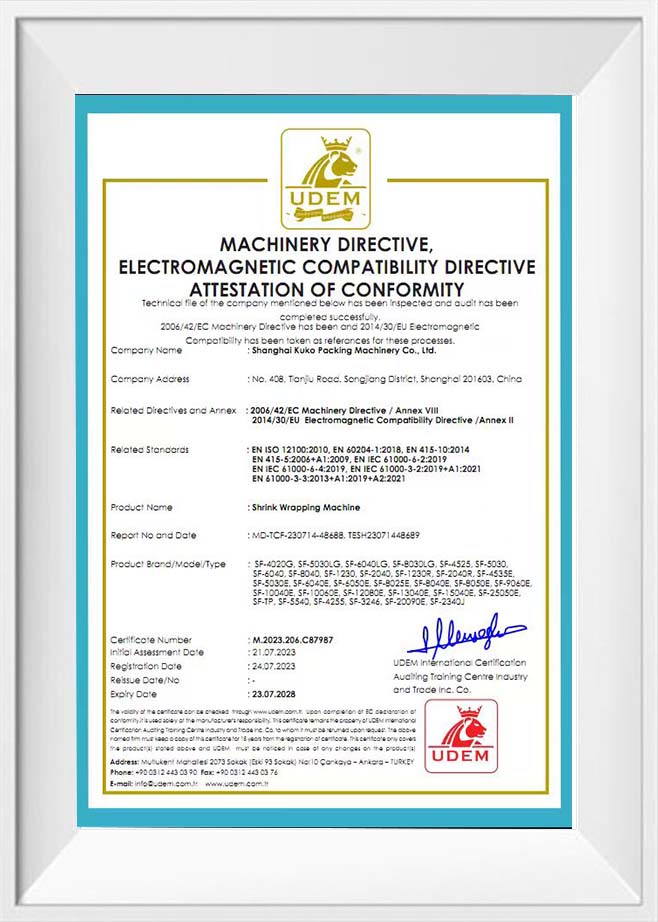
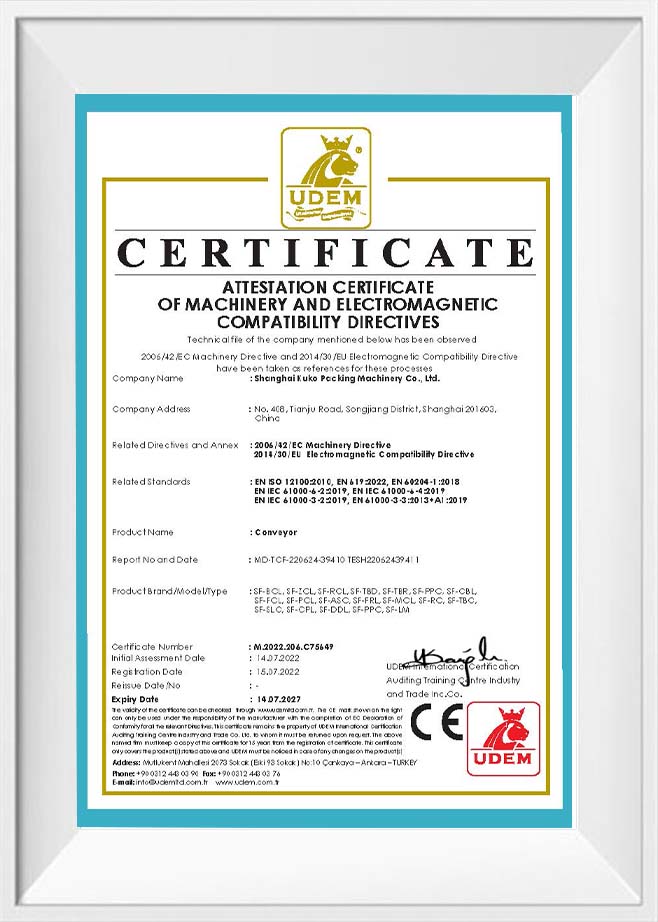
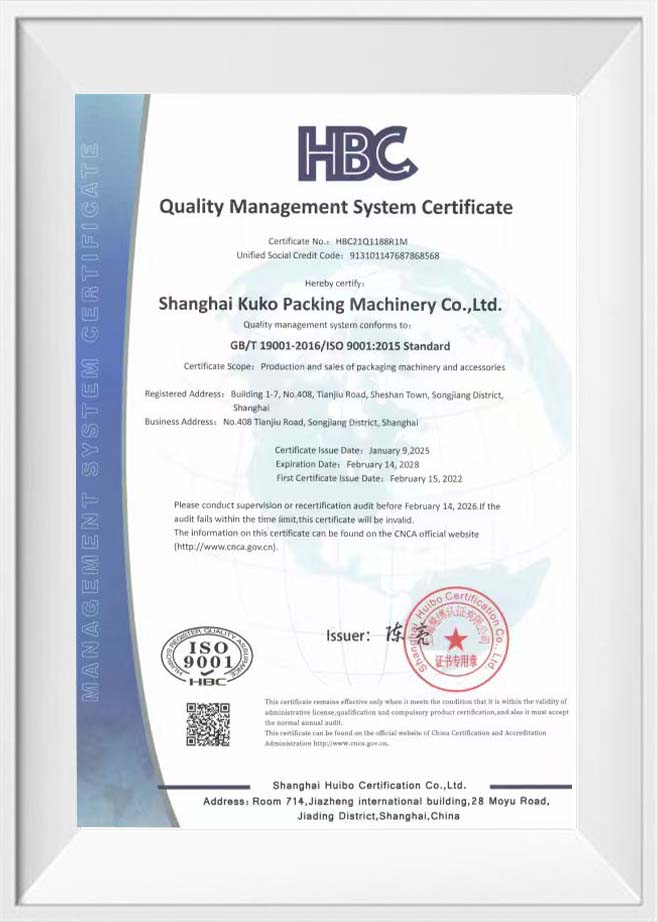
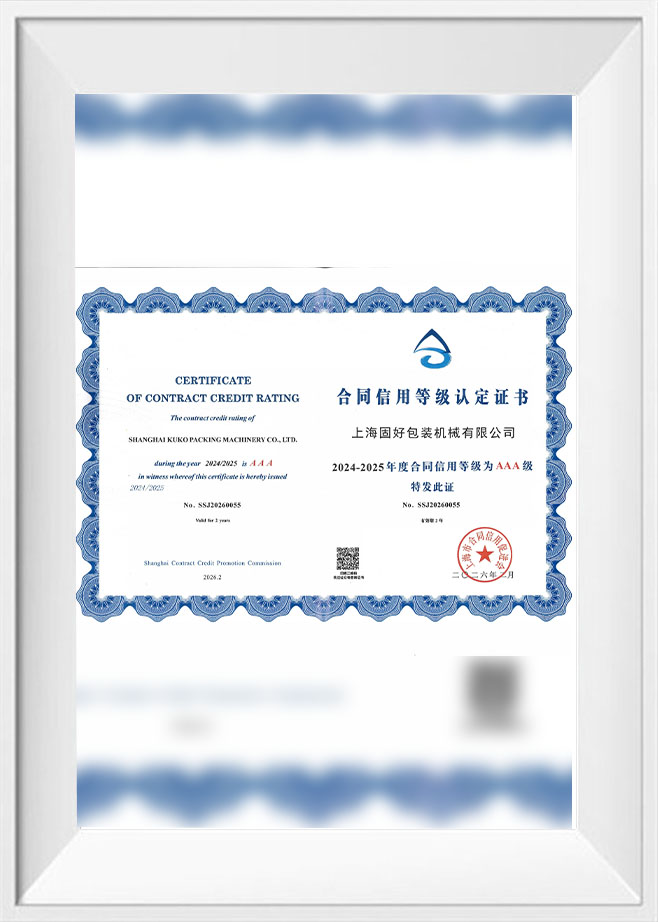
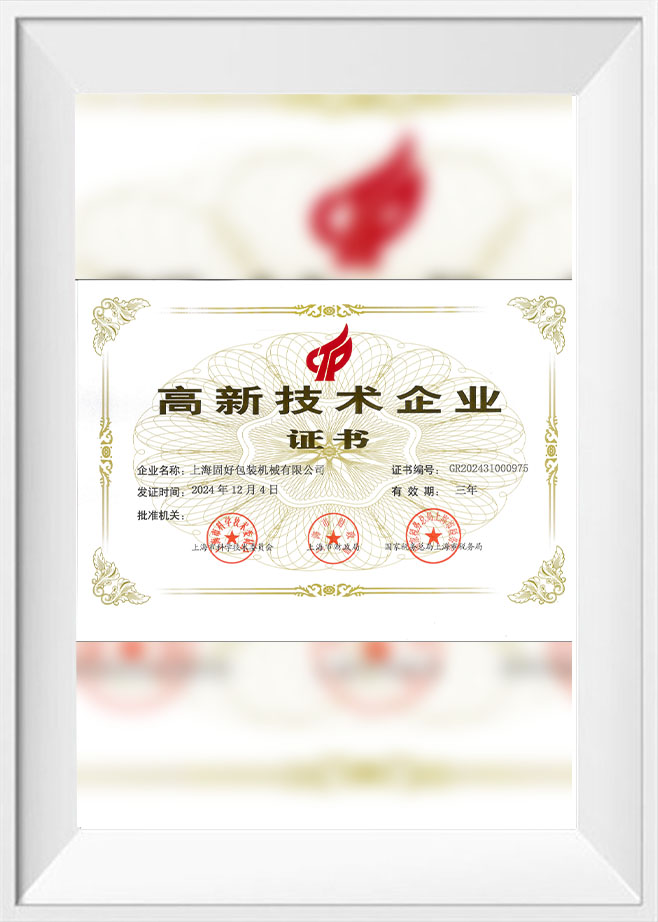
The company holds ISO9001 and CE certification and is recognized as a Shanghai High-Tech Enterprise and Specialized and Sophisticated Enterprise. Before dispatch, each semi-auto sleeve sealing and shrink line is assembled, electrically tested and run with film to verify seal strength, shrink uniformity and conveyor synchronization.
Installation, Maintenance and Service
Every machine leaves the factory with installation drawings, electrical documentation, operation instructions and a recommended spare parts list. Our standard warranty is one year, with lifetime maintenance support available for mechanical, electrical and heating components.
For overseas projects, we support through detailed documentation, remote technical consultation and clear procedures for local installation and commissioning.
Information We Use to Configure Your Solution
To turn an inquiry into a workable configuration, we use the project data below. The more precisely these points are defined, the closer the first proposal is to the final machine.
- Product dimensions, unit weight and surface material
- Number of pieces per bundle and pack orientation
- Target line speed in cycles per hour and shift structure
- Existing conveyor height, direction and available floor space
- Film type, width, roll diameter and core size, or a film sample
- Product heat resistance and handling constraints
- Power supply, ventilation and ambient temperature
- Required interfaces, including MES connection or future fully-auto upgrade
Frequently Asked Questions
What is the practical difference between semi-auto and fully-auto sleeve sealing?
With a semi-auto machine, an operator places the product or product group into the sealing station; the machine then completes film feeding, sealing and shrink transport automatically. Fully-auto equipment adds automatic product feeding, grouping and film forming for higher and more consistent output.
Which film materials can be used?
We select the sealing system for the film you plan to run. POF and PVC are common for sleeve wrapping because of their clarity and shrink behavior. For heavier bundles, PE can be considered when product geometry and heat resistance allow.
Can the machine be integrated into an existing line?
Yes. We match conveyor height, direction and control handshakes to your line and provide interface drawings before shipment. If volume grows later, the semi-auto station can be relocated or replaced by a fully-auto sleeve sealer while retaining the shrink tunnel.
What do you need to prepare a quotation?
Send the overall pack dimensions, product weight, bundle configuration, target output, available space, film details and existing line layout. With these, we can propose the sealing unit, shrink tunnel and conveyor arrangement.
What after-sales support is available?
We supply installation documentation, electrical drawings, spare parts lists and remote technical support. Machines are covered by a one-year warranty, and we provide life-cycle maintenance support.



 中文简体
 Español