


 中文简体
中文简体 Español
 2026.09.30
How Is Shrink Wrap Made? A Complete Guide to Shrink Film Manufacturing
Content
Shrink wrap is a polymer film that tightens around a product when heat is applied. It is everywhere: around cartons of drinks, on electrical components, around furniture, and on entire pallets of building materials. But how is shrink wrap made? The answer lies in a carefully controlled sequence of melting, stretching, cooling, and slitting. Understanding that sequence helps packaging engineers, production managers, and procurement teams make better decisions when they invest in film and machinery.
At Shanghai KUKO Packing Machinery, we have spent more than twenty years building heat-shrink wrapping equipment and integrating complete packaging lines. Our daily work revolves around the behavior of shrink film, so we would like to share a practical look at how shrink wrap is produced and what it means for your packaging operation.
The Raw Materials Behind Shrink Film
All shrink films start as polymer resins. The most common families are polyvinyl chloride (PVC), polyolefin (POF), and polyethylene (PE). Each material offers a different balance of clarity, shrink rate, strength, and cost, which is why packaging designers choose them for different product types and environments.
| Property | PVC | POF | PE |
|---|---|---|---|
| Clarity | High | Very high | Medium |
| Shrink ratio | Up to 60% | Up to 75% | Up to 50% |
| Typical use | Sleeve labels, retail packs | Food, electronics, medical items | Pallets, hardware, large products |
| Relative cost | Low | Moderate | Low |
Additives also play a critical role. Lubricants reduce friction in the extruder and later in the sealing jaws. Anti-static agents keep dust from clinging to packaged items. UV stabilizers protect outdoor packages from sunlight. These compounds are compounded into the resin before film formation, and their proportions are fine-tuned for the intended application.
How Shrink Film Is Made: Extrusion and Orientation
Shrink film production involves several distinct steps, but the core process is similar across most manufacturers.
- Melt the resin. Polymer pellets are fed into an extruder, where heat, pressure, and mechanical shear turn the solid pellets into a homogeneous molten liquid.
- Form the film. The molten polymer is forced through a die. In blown film extrusion, a circular die forms a tube, and air is blown into the tube to create a bubble. The bubble expands the film and draws it to the desired thickness. In cast extrusion, the melt is spread through a flat die onto a chilled roll, producing a flat sheet.
- Orient the film. The film is stretched in both the machine direction and the transverse direction. This biaxial orientation aligns the polymer molecules into a stable, elongated pattern. When the film is later reheated, the molecules relax and try to return to the unstretched state, causing the film to tighten around a product. After stretching, the film is quickly cooled to lock in the orientation.
- Cool and wind. The oriented film is cooled further, trimmed at the edges, and wound into a master roll for the next stage.
Biaxial orientation is the step that truly creates the “memory” of shrink film. Without it, heating the film would only soften it. With it, the film contracts evenly and predictably, which is exactly what automatic packaging lines rely on.
Manufacturers control thickness uniformity carefully during extrusion and orientation. A film that varies in thickness produces weak spots, poor sealing, and inconsistent shrink. That is why high-quality shrink film is produced on modern equipment with precise gauging.
Slitting, Printing, and Quality Control
After the master roll is made, it is often slit into smaller rolls that match the width of the product being packed. Some films are also folded to create centerfold film, which makes wrapping easier on L-bar sealers and manual wrapping tables. The slit rolls are wound onto cores and ready for shipment to packaging plants.
Printing can be added before or after slitting. Most shrink films are flexographic or rotogravure printed, and the surface is corona-treated beforehand so that inks adhere firmly. Printed shrink film is popular for retail packaging because it combines branding with protection.
Quality control runs throughout the process. Key checks include:
- Thickness uniformity, measured with online gauges.
- Shrinkage ratio, tested by heating a sample in a laboratory oven.
- Seal strength, validated on the same films that will run through automatic machines.
- Additive dispersion, checked under a microscope to avoid optical defects or weak spots.
Consistent film quality directly affects the performance of shrink wrapping machines. If the film has inconsistent gauge, sealers may create weak seals and shrink tunnels may produce uneven shrinkage.
From Film to Finished Package: The Shrink Wrapping Process
Knowing how shrink wrap is made helps you understand what happens on a packaging line. The film is wrapped around a product and sealed; then the package passes through a shrink tunnel, where hot air heats the film above its relaxation temperature. The oriented molecules contract, pulling the film tightly around the product’s contours and creating a tamper-evident, dust-proof barrier.
There are several ways to apply shrink film. An L-bar sealer is a common choice for low-to-medium production runs. A seam is made across the film, forming an L-shaped seal that wraps the product in a tube. For higher speeds, side sealers and fully automatic machines produce continuous sealing and cutting. Sleeve wrapping, often used for labels and multipacks, slips a continuous tube over the product and shrinks it in place. For a closer look at these methods, see our sleeve sealing and shrink wrapping process guide.
Shrink packaging is used in nearly every sector. In food and beverage, it keeps packages hygienic and tamper-evident; in electronics, it protects components from static and moisture; in healthcare, it provides a sterile barrier. Manufacturers such as e-commerce warehouses and logistics centers use shrink wrap to secure products onto trays and pallets. Our food and beverage packaging lines are a good example of how film and machinery work together in high-volume environments.
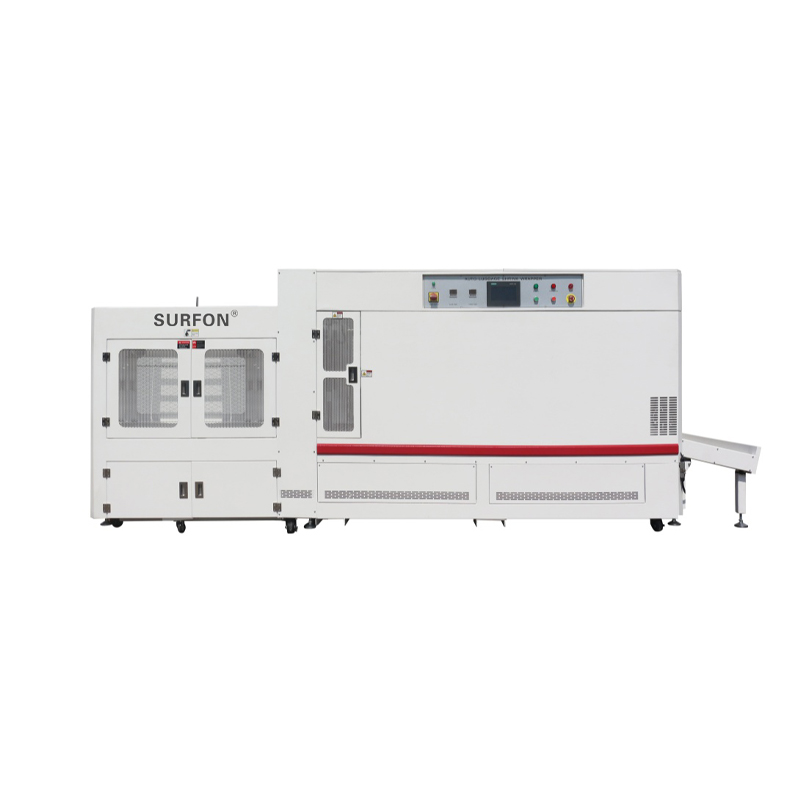
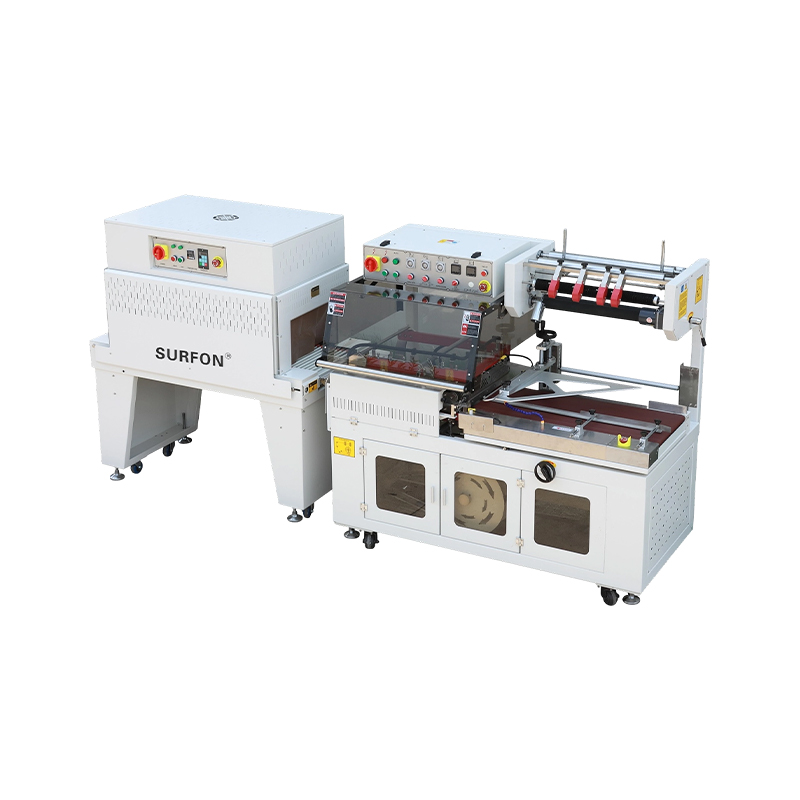 Fully Automatic L-Bar Sealer with Shrink Tunnel for Small BoxesThis integrated machine automates feeding, wrapping, sealing, and shrinking for small standard boxes. Its visual scale adjustments and optional push-and-lay device support consistent, neat packaging, making it suitable for medium-volume production where uniform sealing quality matters.View Product →
Choosing the Right Shrink Wrapping Equipment
Once you know how shrink wrap is made, choosing packaging equipment becomes simpler. The film type, product dimensions, speed, and required seal quality all influence the machine configuration.
For POF film, which is popular for food, electronics, and medical products, a machine designed for polyolefin films will give the best optical clarity and shrink performance. Our SF4525 shrink packaging machine is built for exactly that work. It uses a long-lasting, durable sealing system and a compact shrink tunnel that handles POF film efficiently.
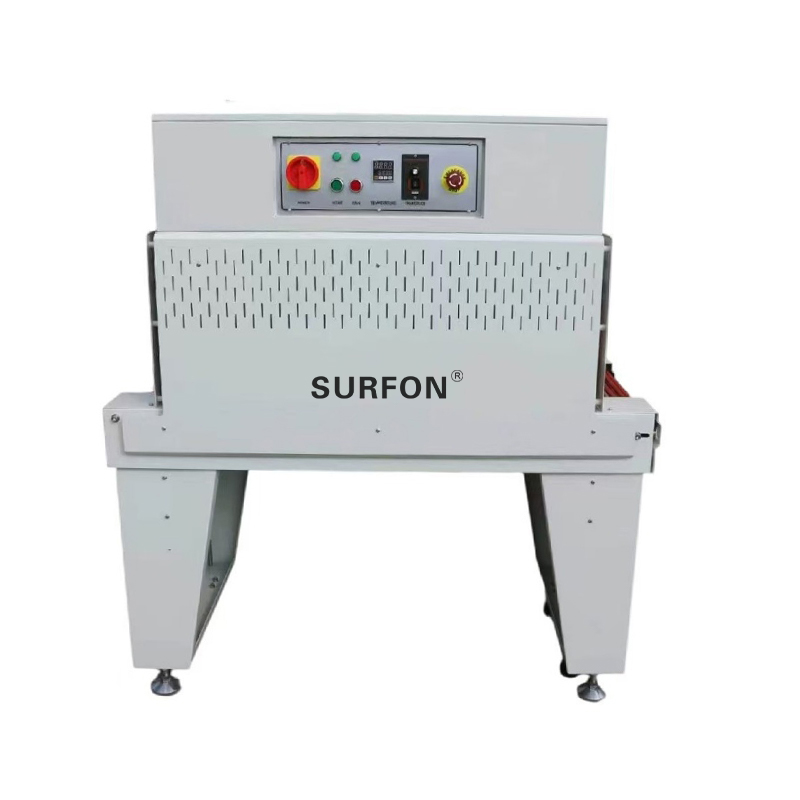 SF-4525 Heat Shrink Packaging Machine for POF FilmDesigned for polyolefin shrink film, this machine pairs a long-lasting sealing system with a compact tunnel. It offers adjustable temperature and speed, compatibility with PVC, POF, and PET, and a reinforced conveyor to handle heavy items, ensuring tight, protective wrapping.View Product →
For PE shrink film, the situation is different. PE is thicker, stronger, and usually less clear than POF. It requires more heat and a longer dwell time in the shrink tunnel. The SF5030E, with its short cavity and double circulation airflow, is designed to deliver that extra energy while keeping the machine footprint compact. It is a good match for big cartons, hardware, and industrial products.
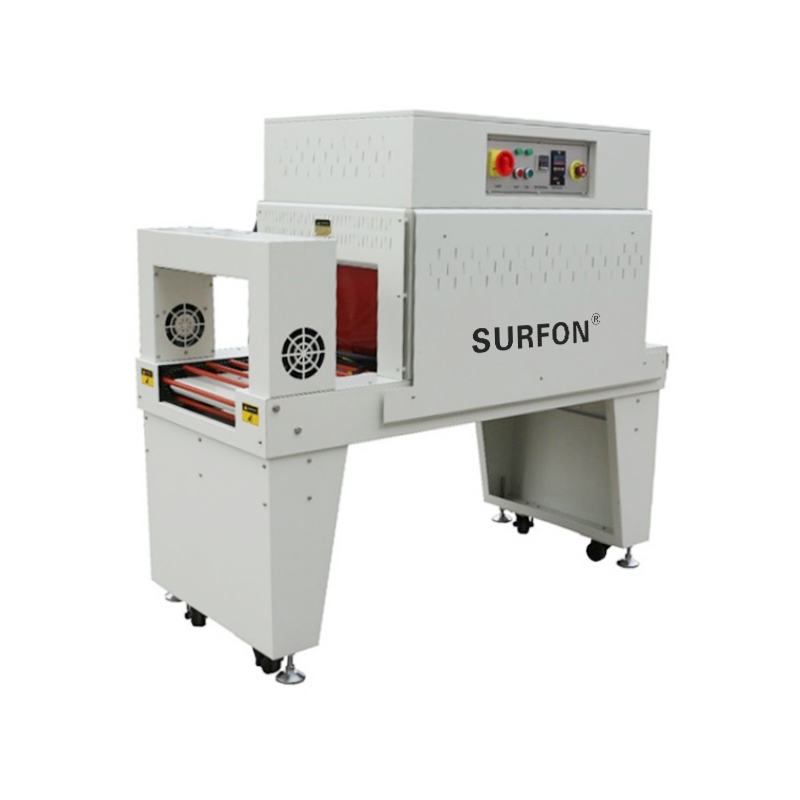 SF-5030E Short-Cavity Dual-Circulation Heat Shrink TunnelThis short-cavity shrink machine uses dual circulating fans to distribute heat evenly while reducing energy consumption. Its solid steel bar conveyor with silicone sleeves prevents damage to film and products, and the compact footprint suits smaller workshops handling industrial cartons or hardware.View Product →
Beyond the machine itself, consider how the film will be fed into the line, whether you need a centerfold, and how the sealed package will be discharged. At KUKO, our catalog spans more than 200 models, from semi-automatic L-type sealers to fully integrated lines that include sleeve sealers, shrink tunnels, and conveying systems. All machines are designed for 24/7 operation and can be connected to MES for production monitoring.
Conclusion
Shrink wrap is a precision product. It begins as polymer resin, is melted and formed into film, then biaxially oriented so that it remembers to shrink when heated. From there it is slit, printed, and prepared for packaging lines that seal and shrink it around thousands of products per hour.
Understanding the manufacturing process gives you a clear advantage: you can judge film quality, set the right sealing and shrink temperatures, and choose machinery that matches your material and throughput. Shanghai KUKO Packing Machinery has been a reliable partner in heat-shrink packaging solutions for over twenty years. Whether you are upgrading an existing line or starting a new one, we can help you turn shrink film into a fast, dependable packaging process.
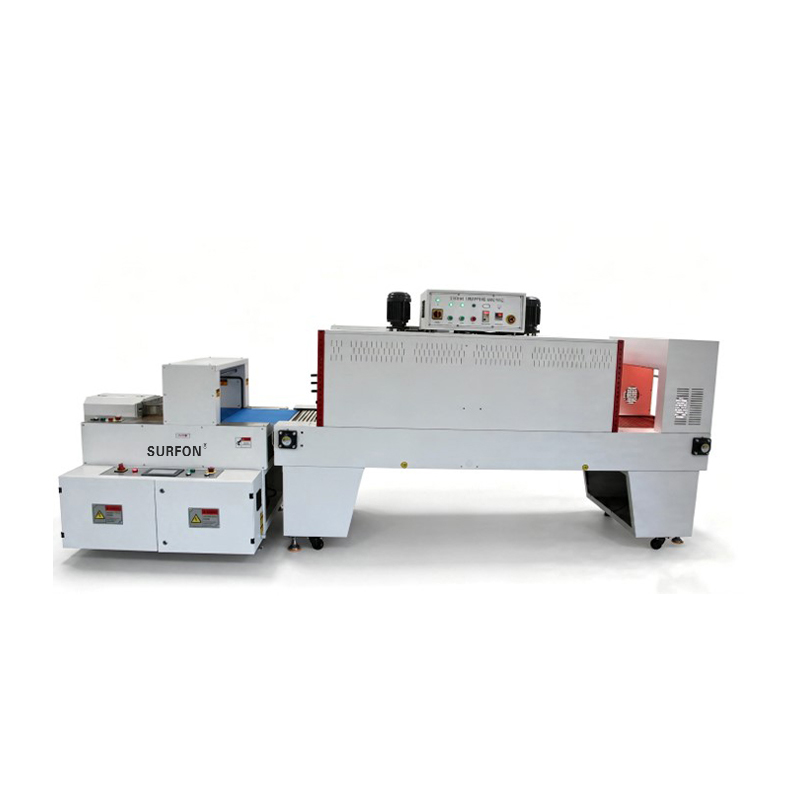
-
 Is Fully Automatic Shrink Wrapping Equipment Right for Your Production Line?
 -
How Does Shrink Wrap Work? The Science and Machines Behind the Process | KUKO
-
Multi-Dimensional Detailed Introduction to Heat Shrink Film Packaging Machines
-
How Many Feet of Stretch Wrap Per Pallet and Which Machine Is Right for Your Output


Copyright @ Shanghai KUKO Packing Machinery Co., Ltd. All rights reserved
