


 中文简体
中文简体 Español
 2026.09.10
Sleeve Sealing Shrink Wrapping Machine: Process, Types & Buying Guide
Content
- 1 How the Sealing and Shrinking Process Works
- 2 Common Applications Across Industries
- 3 Choosing the Right Machine for Your Line
- 4 Film Selection and Its Effect on Package Quality
- 5 Troubleshooting Common Wrapping Defects
- 6 Maintenance Practices That Extend Machine Life
- 7 Calculating Return on Investment
- 8 Questions to Ask Before Buying
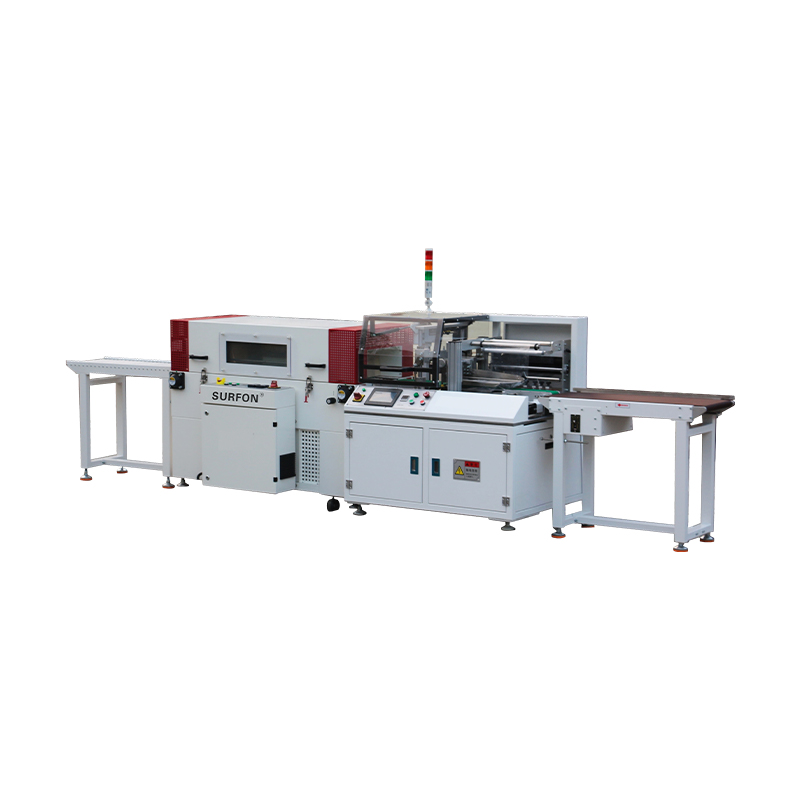
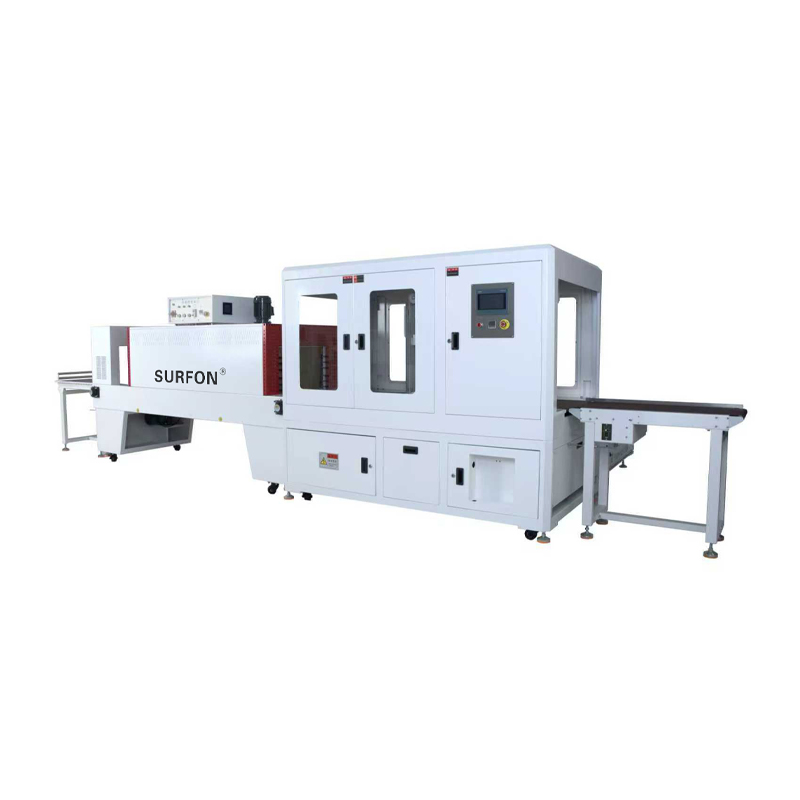
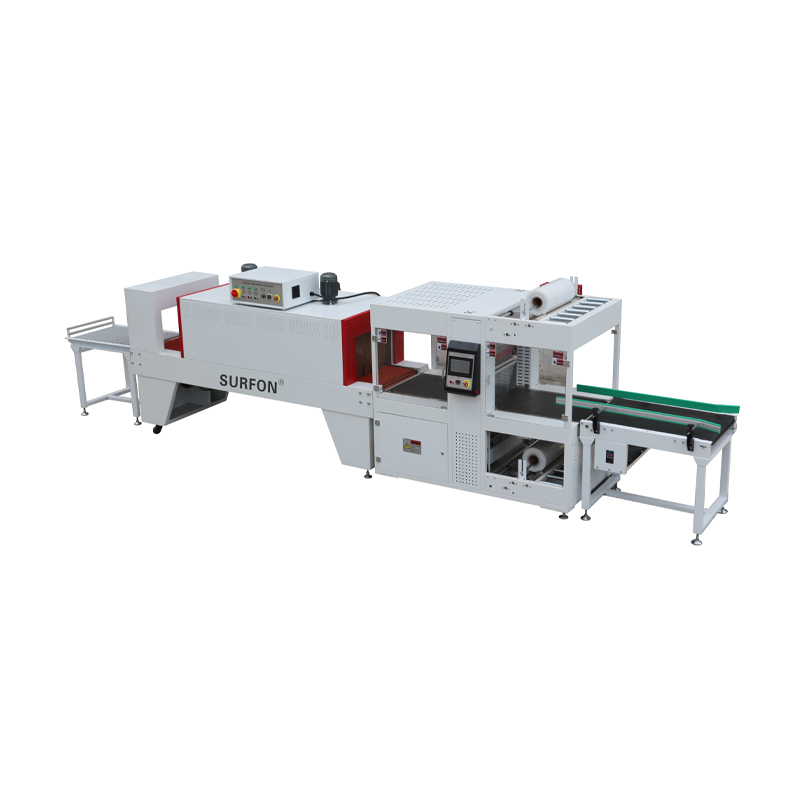
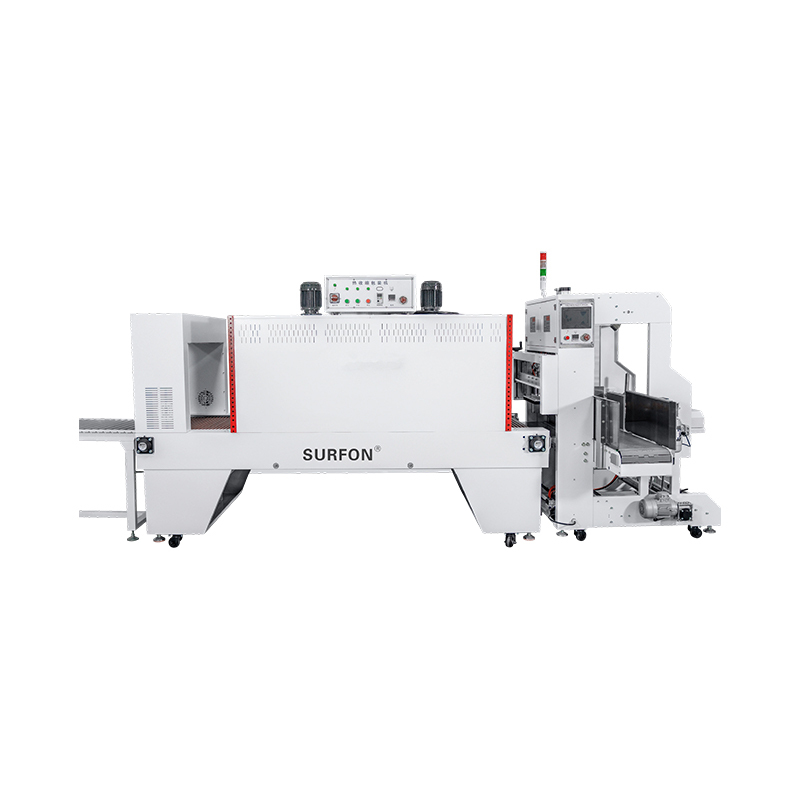
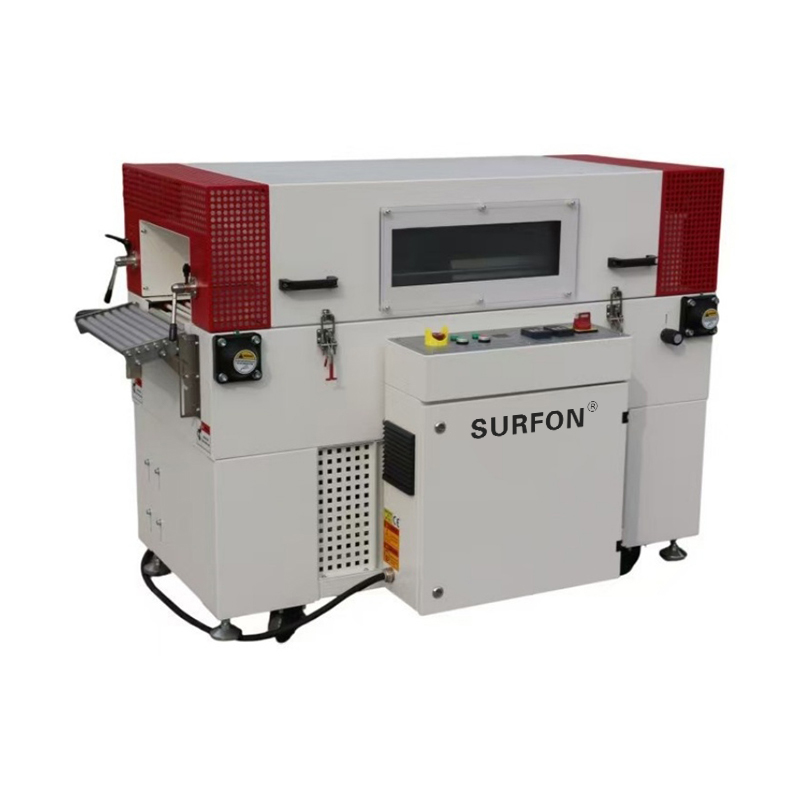
A sleeve sealing shrink wrapping machine cuts, seals, and shrinks a plastic film sleeve around single or grouped products in one continuous pass, producing a tight, tamper-evident, retail-ready package. It pairs a sealer (which forms and cuts the film) with a shrink tunnel (which heats the film to conform to the product), and it's the standard choice for packaging lines running 30 to 150 packs per minute depending on product size and film type. Compared to shrink bags or full-body overwrap systems, sleeve wrapping uses less film per pack and leaves the ends open for ventilation, which is why it dominates categories like bottled beverages, canned multi-packs, and bundled retail goods.
How the Sealing and Shrinking Process Works
The process happens in two distinct stages, and understanding each one explains why machine selection and settings matter so much for final package quality.
Stage One: Sleeve Formation and Sealing
Products move along a conveyor and pass through a curtain of film fed from an upper and lower roll. A heated sealing bar drops down, cutting the film and fusing the edges to form an open-ended sleeve around the product or product group. Most machines use either an L-bar sealer, which stops the product briefly for each cut, or a continuous motion side sealer, which seals on the fly without interrupting product flow. Continuous motion sealers cost more upfront but are essential once line speeds exceed roughly 40 packs per minute, since stop-start sealing becomes a bottleneck at higher volumes.
Stage Two: Heat Shrinking
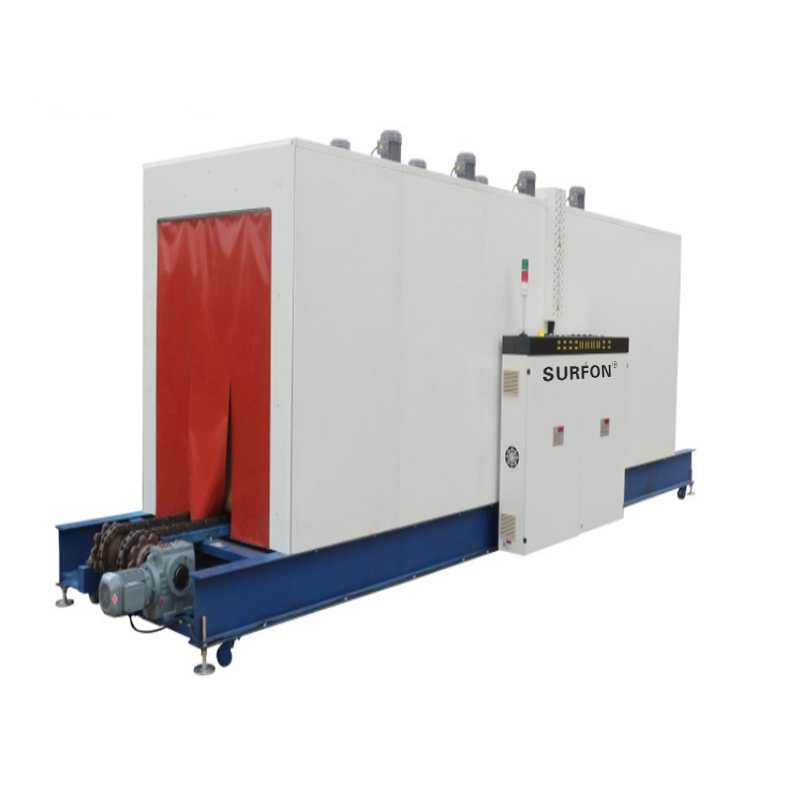
The sleeved product then enters a shrink tunnel, where hot air circulating between 120°C and 220°C causes the film to shrink tightly around the item. Tunnel dwell time usually ranges from 3 to 8 seconds, and air circulation design (top, bottom, and side nozzle placement) has a bigger impact on wrap quality than raw temperature alone. Uneven airflow is the most common cause of "dog ears" — the loose triangular flaps of unshrunk film at the package corners.
Stage Three: Cooling and Stacking
After exiting the tunnel, packages need a cooling section, often just a few feet of open conveyor with ambient air fans, before stacking or case packing. Stacking film while it's still warm can cause the sleeve to deform or stick to adjacent packs, which is a common quality complaint on lines that skip this step to save floor space.
Common Applications Across Industries
Sleeve sealing shrink wrappers are used far beyond a single product category. Their flexibility with irregular shapes and multi-packs is a key reason manufacturers choose them over shrink bags or full-body wrap systems.
- Food and beverage: bottled water multi-packs, canned goods, bakery trays, snack cartons
- Personal care: soap bars, cosmetics sets, bundled toiletries
- Publishing and media: magazines, books, board games, greeting card sets
- Hardware and retail: tools, stationery, promotional bundles, gift sets
- Pharmaceuticals and nutraceuticals: tamper-evident bundling of boxed products and bottles
- Industrial goods: multi-unit fasteners, cable reels, and small parts kits
Choosing the Right Machine for Your Line
Machine selection comes down to three practical factors: throughput needs, product dimensions, and film type. Getting these wrong is the most common cause of downtime and rework on packaging lines.
| Machine Type | Typical Speed | Best For |
|---|---|---|
| Manual L-bar sealer | 5-15 packs/min | Small batches, startups |
| Semi-automatic sleeve wrapper | 15-40 packs/min | Mid-volume production |
| Fully automatic continuous motion | 40-150+ packs/min | High-volume, 24/7 lines |
| Combination wrap-around and sleeve | 20-60 packs/min | Mixed SKU lines needing flexibility |
Beyond speed, check the machine's maximum sleeve dimensions against your largest and smallest SKUs. A common mistake is buying a machine sized for current products without headroom for a slightly larger item added later, which forces a costly upgrade within a year or two.
Film Selection and Its Effect on Package Quality
Film choice affects cost, finished appearance, and even shelf appeal. PVC film is the most economical option and shrinks well at lower temperatures, but it has largely been phased out in many regions due to disposal and fume concerns. Polyolefin (POF) film is now the industry standard, offering better clarity, puncture resistance, and safer combustion byproducts. Polyethylene (PE) film is a heavier-duty option often used for industrial or multi-pack beverage bundling where puncture resistance matters more than optical clarity.
Matching Film Thickness to Product Weight
Film thickness typically ranges from 40 to 100 gauge, with thicker film chosen for heavier or sharp-edged products to prevent tearing during the shrink cycle. As a rough guide, single lightweight items under 500g can use 45-60 gauge film, while multi-packs of canned goods or bottles over 2kg often require 75-100 gauge film to withstand handling and transport stress.
Perforated vs. Non-Perforated Film
Perforated film includes tiny vent holes that let trapped air escape during shrinking, reducing bubbling on products with irregular surfaces like textured boxes or clustered cans. Non-perforated film gives a glossier, tighter finish and is generally preferred for single retail items where shelf presentation is a priority.
Troubleshooting Common Wrapping Defects
Most quality issues trace back to one of three settings: temperature, speed, or film tension. Knowing the fix in advance saves significant trial-and-error time on the line.
| Defect | Likely Cause | Recommended Fix |
|---|---|---|
| Loose "dog ears" at corners | Uneven tunnel airflow or low temperature | Rebalance nozzle airflow, raise temp 5-10°C |
| Scorched or melted film | Tunnel temperature too high or dwell too long | Lower temperature or increase conveyor speed |
| Weak or open seal | Worn Teflon tape or low sealer temperature | Replace tape, recalibrate sealer temperature |
| Film wrinkling on flat surfaces | Excess film tension or oversized sleeve | Adjust film brake tension, resize sleeve length |
Maintenance Practices That Extend Machine Life
Regular maintenance directly affects seal quality and reduces unplanned downtime, which is often the largest hidden cost on a packaging line.
- Clean the sealing bar daily to remove melted film residue that causes uneven cuts
- Inspect Teflon tape coverings weekly, replacing them before they thin out and expose the heating element
- Check conveyor belt tension monthly to prevent product misalignment entering the sealer
- Calibrate tunnel temperature zones quarterly, since sensor drift of even 10°C can cause loose or scorched wraps
- Lubricate chain drives and bearings per the manufacturer's schedule to avoid speed inconsistencies
- Clean tunnel fan blades and heating elements every six months to maintain even airflow
Calculating Return on Investment
A mid-range automatic sleeve wrapping machine typically costs between $15,000 and $45,000, depending on speed and automation level. For a business hand-wrapping or manually bundling 500 units a day at a labor cost of $18/hour, automating this step often pays back the investment within 12 to 18 months through reduced labor hours, lower film waste from precise cutting, and fewer product returns due to inconsistent packaging.
Ongoing Operating Costs to Factor In
Beyond the purchase price, budget for film consumption (typically $0.02 to $0.06 per pack depending on size and gauge), electricity for the shrink tunnel heaters, and annual maintenance parts like sealing tape and cutting wire, which usually run a few hundred dollars per year on a well-maintained machine.
Questions to Ask Before Buying
A short checklist during supplier evaluation prevents most post-purchase regrets.
- What is the maximum and minimum product size the machine can handle?
- Is the sealer L-bar or continuous motion, and does that match my required speed?
- What film types and thicknesses is the tunnel rated for?
- What is the warranty period, and how accessible are spare parts locally?
- Does the supplier offer on-site installation and operator training?



Copyright @ Shanghai KUKO Packing Machinery Co., Ltd. All rights reserved
