


 中文简体
中文简体 Español
 2026.09.10
Is Fully Automatic Shrink Wrapping Equipment Right for Your Production Line?
Content
- 1 Fully Automatic Shrink Wrapping Equipment Has Already Entered the Market
- 2 How a Fully Automatic Sleeve Sealing Shrink Wrapping Machine Operates
- 3 Temperature Control and Finished Package Quality
- 4 Where Semi-Automatic Sleeve Sealing Machines Fit In
- 5 Comparing Fully Automatic and Semi-Automatic Options
- 6 Common Applications Across Industries
- 7 Factors Worth Considering Before Selecting a Machine
Fully Automatic Shrink Wrapping Equipment Has Already Entered the Market
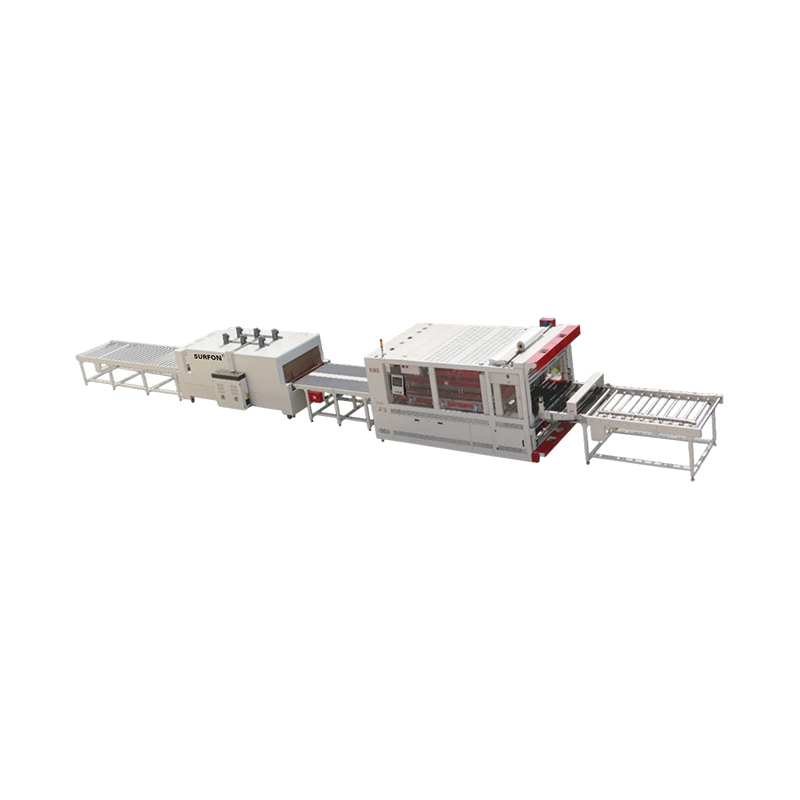
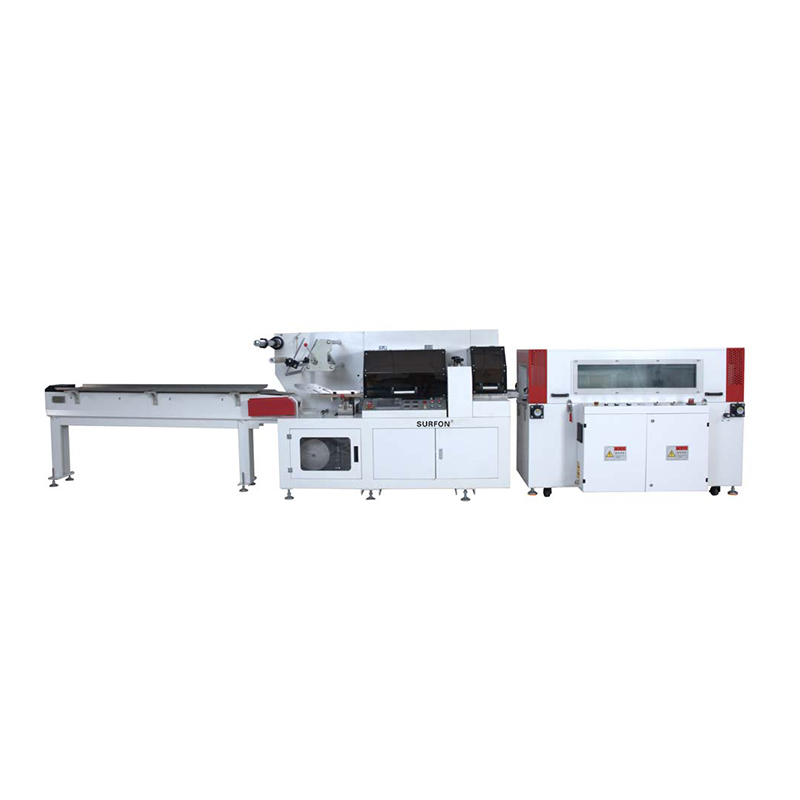
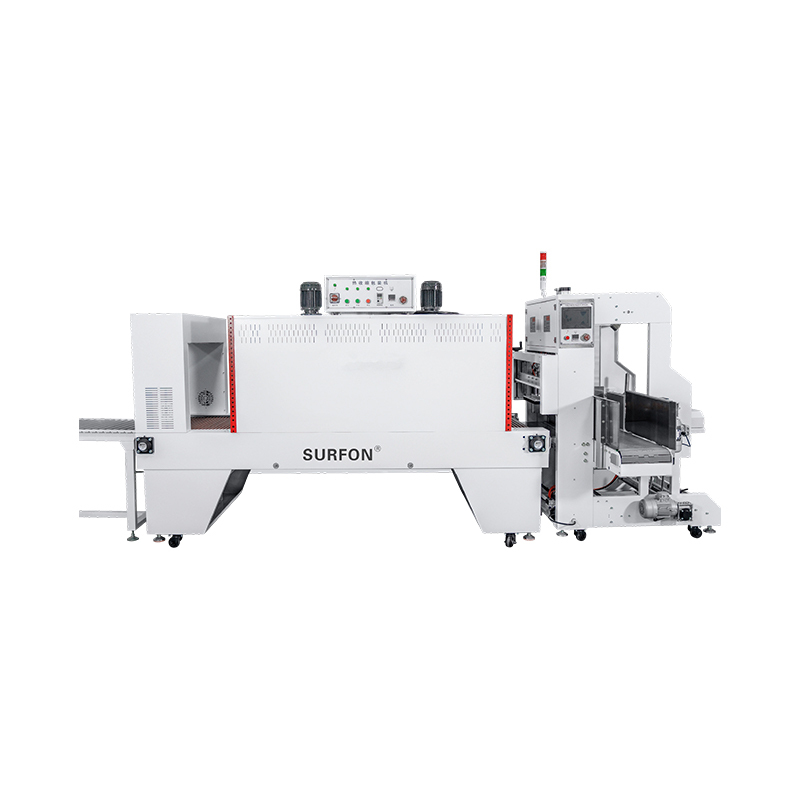
Fully automatic shrink wrapping machines are a well-established category of equipment, typically falling into two working types: fully automatic sleeve sealing shrink wrapping machines and semi-automatic sleeve sealing shrink wrapping machines. Both belong to the sleeve sealing family of packaging equipment, meaning the film forms a tube-like sleeve around the product before heat is applied to draw the film tight against the item's contours. The fully automatic version completes feeding, wrapping, sealing, cutting, and heat shrinking in one continuous sequence without an operator needing to touch each product, while the semi-automatic version still requires manual placement of goods onto the machine before the sealing and shrinking stages proceed automatically. This distinction matters because it determines how the equipment fits into a factory's existing workflow, how many people are needed to run the line, and how fast products can move through packaging in a given shift.
How a Fully Automatic Sleeve Sealing Shrink Wrapping Machine Operates
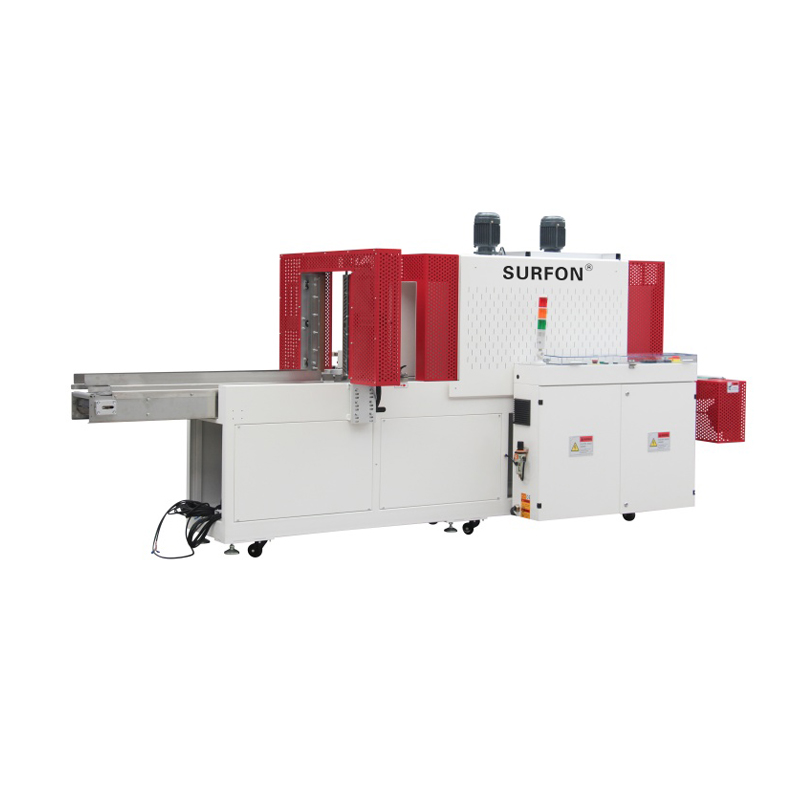
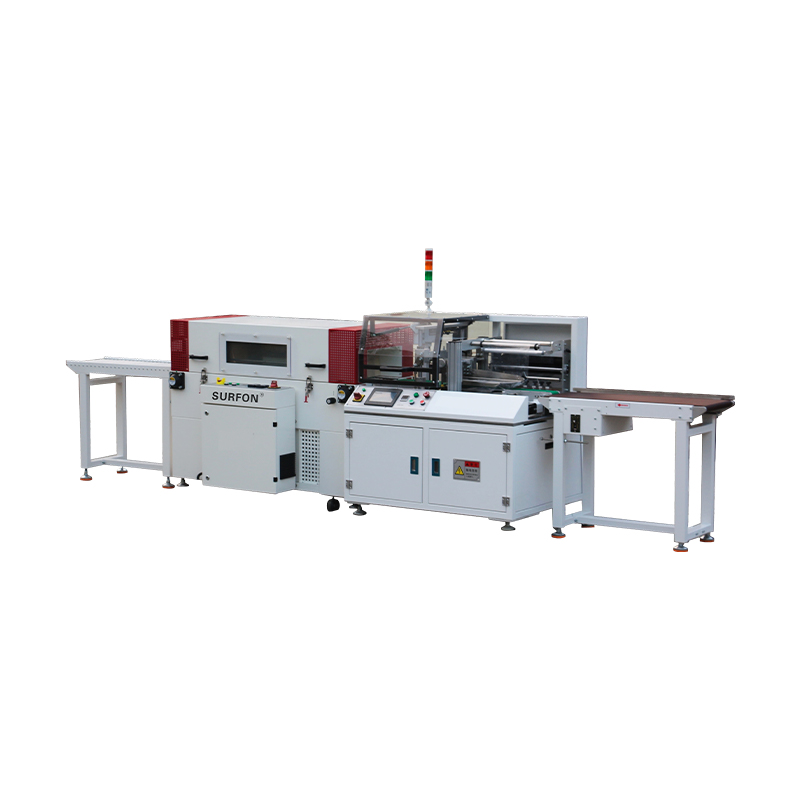
A fully automatic sleeve sealing shrink wrapping machine belongs to the fully enclosed sealing and shrink wrapping category, which means the sealing and cutting mechanisms sit inside a closed housing rather than being exposed on an open frame. Products move along a conveyor and pass through the film curtain, where the sealing bar closes and trims the film automatically at set intervals, then the wrapped item continues into a shrink tunnel where hot air causes the film to contract around the package. Because the process runs without real-time human intervention, this type of machine can be connected directly to upstream and downstream equipment on an automated production line, such as case erectors, labeling stations, or palletizing robots, allowing goods to flow from one stage to the next with reduced manual handling.
The closed-body design also affects energy use and workplace cleanliness. Because the sealing chamber is enclosed, heat generated during the sealing and shrinking stages stays within the housing rather than dissipating into the surrounding air, which reduces the energy needed to maintain a stable working temperature. The enclosure also keeps loose film trimmings and shrink film debris contained inside the machine instead of scattering across the production floor, which is a practical benefit in facilities that need to maintain specific hygiene standards, such as food packaging lines.
Temperature Control and Finished Package Quality
A stable temperature control system is one of the more technical aspects of this equipment, and it directly affects how the finished package looks and performs. When hot air is distributed evenly across the shrink tunnel, the film contracts more uniformly rather than pulling tighter on one side than the other, which produces a neat seal line, a clean cut edge, and a finished wrap that sits closely against the product without wrinkles or loose corners. This even shrinkage is not purely cosmetic; a snugly and evenly wrapped package is also better protected against dust accumulation, moisture ingress, and minor impacts during handling and transport, since the film acts as a continuous barrier around the item rather than a loosely draped covering with gaps.
Film compatibility is another factor worth noting. These machines generally accommodate a range of standard shrink films, including polyolefin and PVC-based materials commonly used across packaging industries, and parameter adjustments for temperature, conveyor speed, and sealing timing can usually be made without major retooling. This flexibility allows a single machine to switch between different package sizes and film specifications when a production line handles varied product batches.
Where Semi-Automatic Sleeve Sealing Machines Fit In
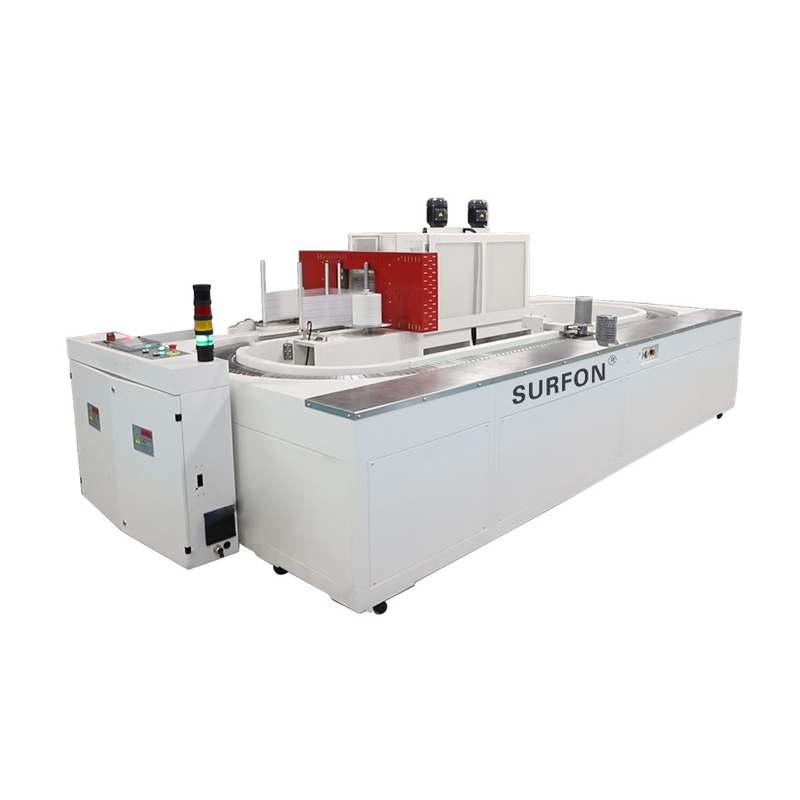
Not every production environment requires full automation, and this is where semi-automatic sleeve sealing shrink wrapping machines serve a purpose. In this configuration, an operator manually places the product or a stack of products onto the machine's feeding area, and from that point the sealing, cutting, and shrinking stages proceed automatically, similar to the fully automatic version. This setup suits smaller workshops, businesses with lower or fluctuating order volumes, or operations where product shapes vary enough that automated feeding would need some adjustment to work smoothly. Semi-automatic machines also tend to have a smaller footprint and a lower upfront investment, which can make them a reasonable starting point for a business scaling up its packaging capability gradually rather than committing to a full production line from the outset.
Comparing Fully Automatic and Semi-Automatic Options
Choosing between the two configurations often comes down to production volume, available floor space, and how much manual labor a business wants to allocate to packaging tasks. The table below outlines some of the practical differences between the two types.
| Feature | Fully Automatic Machine | Semi-Automatic Machine |
|---|---|---|
| Feeding method | Automatic, integrated with conveyor line | Manual placement by operator |
| Line integration | Can connect with upstream/downstream automation | Typically operates as a standalone unit |
| Suitable production scale | Large-scale, continuous output | Small to medium, variable order volumes |
| Labor requirement | Reduced ongoing supervision | One operator per station |
Common Applications Across Industries
Shrink wrapping equipment of this kind is used across a range of sectors. In the food industry, it is applied to bundle items such as bottled beverages, canned goods, instant noodle packs, and boxed products, where a film wrap keeps multipacks stable during transport and shelf display. In the daily chemical products sector, items like soap bars, cosmetic sets, and household cleaning bottles are often wrapped this way to combine tamper resistance with a tidy retail appearance. Hardware and tool manufacturers use similar equipment to bundle small parts, fasteners, or tool sets into secured multipacks, while logistics and distribution operations rely on shrink wrapping to consolidate mixed cartons or irregularly shaped items into a single stable unit before palletizing.
Noise Levels and Routine Upkeep
Beyond wrapping performance, day-to-day operating conditions matter to facility managers. Equipment in this category is generally designed to run with relatively low noise output, which is a practical consideration for factory floors where multiple machines operate close together. Maintenance needs tend to stay modest as well, since the sealing and cutting components are built for repeated cycles without frequent part replacement, and the enclosed structure helps shield internal mechanisms from dust that might otherwise cause wear or malfunction over time.
Factors Worth Considering Before Selecting a Machine
When evaluating which type of shrink wrapping machine suits a particular operation, it helps to think about current order volume alongside expected growth, since a semi-automatic unit purchased today might need to be supplemented or replaced as throughput increases. Product dimensions and packaging materials also play a role, as some films respond differently to heat and airflow depending on thickness and composition, so confirming film compatibility with the specific machine model helps avoid inconsistent shrink results. Floor layout is another practical detail, particularly for fully automatic machines meant to be integrated into a longer production line, since conveyor alignment and spacing need to be planned in advance. Taking these factors into account before installation tends to reduce adjustment issues later and helps the equipment perform close to its intended capability from the start.
-
 How Many Feet of Stretch Wrap Per Pallet and Which Machine Is Right for Your Output
 -
Sleeve Sealing Shrink Wrapping Machine: Process, Types & Buying Guide
-
How Is Shrink Wrap Made? A Complete Guide to Shrink Film Manufacturing
-
How Much Does Shrink Wrap Cost? The Complete Pricing Guide for Manufacturers


Copyright @ Shanghai KUKO Packing Machinery Co., Ltd. All rights reserved
