


 中文简体
 Español

 2026.10.20
How Much Does Shrink Wrap Cost? The Complete Pricing Guide for Manufacturers
Content
Asking "how much does shrink wrap cost?" is a bit like asking how much a car costs. The answer depends on what you are wrapping, how fast you need to run, and whether you are paying for a hand-cutter or a fully automated line. Over the past two decades, we have helped hundreds of manufacturers across food, electronics, e-commerce, and building materials compare shrink wrap options, and the same lesson always appears: the lowest upfront price is rarely the lowest total cost.
This guide breaks down the real cost drivers behind shrink wrapping, from film materials and equipment types to labor and energy. By the end, you will have a practical framework for estimating your own per-package cost and deciding where to invest.
The Three Main Cost Components of Shrink Wrapping
Shrink wrap cost is usually split into three broad categories: material, equipment, and operating costs. Each one changes depending on your production volume and product shape.
1. Shrink Film Material
Film is the largest recurring cost in most shrink wrap operations. The main options are POF, PE, and PVC, and each has a different price profile and shrinkage behavior. POF is popular for food and consumer goods because it shrinks evenly and does not yellow. PE is tougher and ideal for heavier items or tray wrapping. PVC is more economical but less stable in long-term storage.
Film thickness is another major variable. A 15-micron film will cost noticeably less per roll than a 25-micron film, but it may not have the puncture resistance your product requires. Thicker film also tends to shrink at slightly higher temperatures, which can affect energy use.
2. Shrink Wrap Equipment
Equipment costs range from a simple heat gun and hand-applied film to a fully automatic side-seal machine with a shrink tunnel. Between those extremes are semi-automatic L-bar sealers, which are still a strong choice for low-to-mid volume packaging. The equipment you choose determines not only your initial investment but also your labor requirement and the number of packages you can produce per hour.
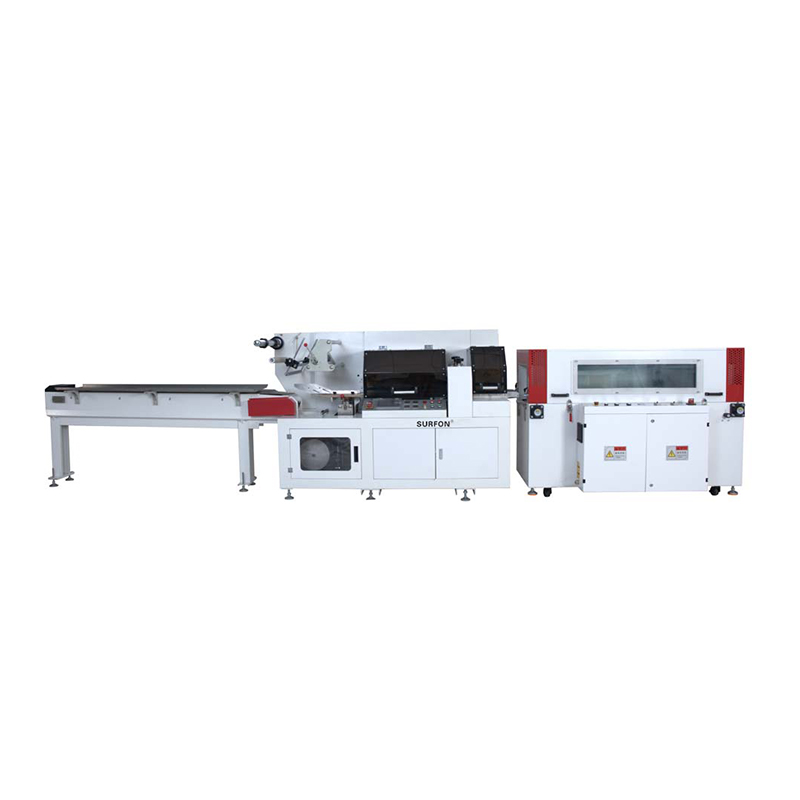
For a production line that needs to wrap hundreds of packages per hour, a fully automatic sealing and shrink wrapping machine quickly pays for itself by removing manual cutting and sealing. At lower volume, a semi-automatic L-bar sealer can keep costs down without sacrificing package quality.
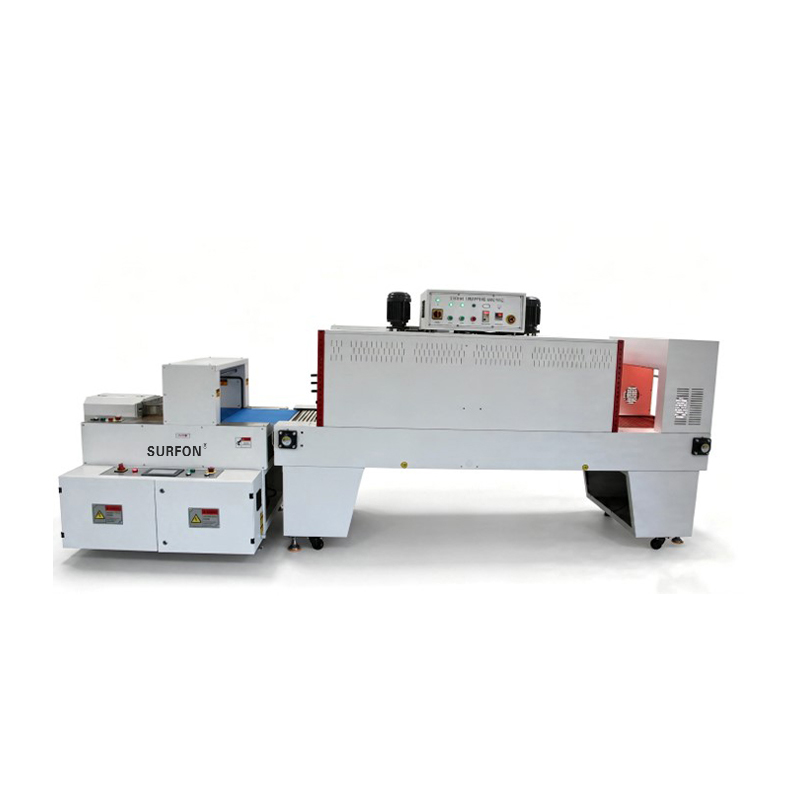
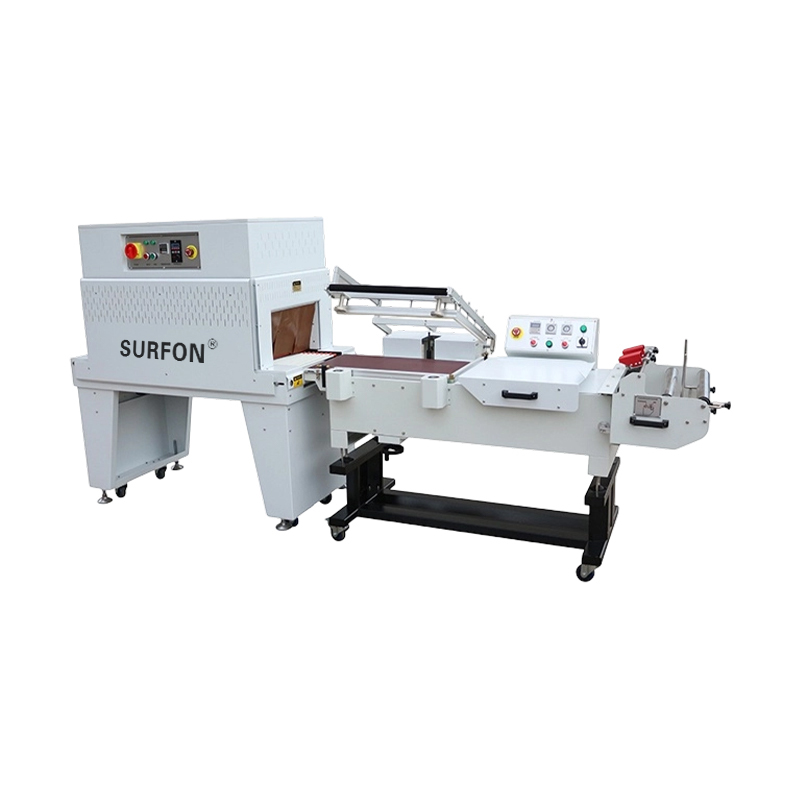 Semi-Auto L Bar Sealer with Shrink Tunnel for Cost-Effective ProductionThis combined sealer and tunnel reduces manual work and operational costs while maintaining package quality for small to medium lines.View Product →
3. Operating Costs
Labor, electricity, and maintenance often receive less attention than film price, but they can equal or exceed the equipment cost over a year. Every operator you need on the line adds to the per-package cost. Shrink tunnels consume electricity, especially when running continuously. And sealing wires, blades, and conveyor belts require periodic replacement. Factoring these into your cost model is essential.
Many buyers focus on the invoice price of the machine, but the total cost of ownership is what matters. A slightly more expensive machine with better insulation in the tunnel, servo-driven sealing, and low-maintenance conveyor parts can lower your electric bill and downtime. Over three years, that difference often exceeds the initial price gap.
Shrink Film Material Prices at a Glance
When comparing film options, the cost per square meter often matters more than the cost per roll. A soft, thin POF film can be very affordable for small products, while a heavy PE film for furniture or construction materials naturally costs more. The table below summarizes what you should expect in terms of cost drivers.
| Film type | Typical use | Material cost trend | Shrink performance |
|---|---|---|---|
| POF | Food, cosmetics, retail | Moderate | Excellent clarity, even shrink |
| PE | Heavy items, trays, industrial goods | Low to moderate | Tough, good puncture resistance |
| PVC | Generic packaging, labels | Low | Can shrink unevenly; not long-term stable |
Beyond film type, thickness and shrinkage ratio decide how much film you need per package. A higher shrink ratio gives you more coverage from the same roll, which lowers your per-package material cost. For a dedicated POF line, our SF4525 shrink wrapping machine is a balanced choice for small and medium products that need consistent film tension and heat control.
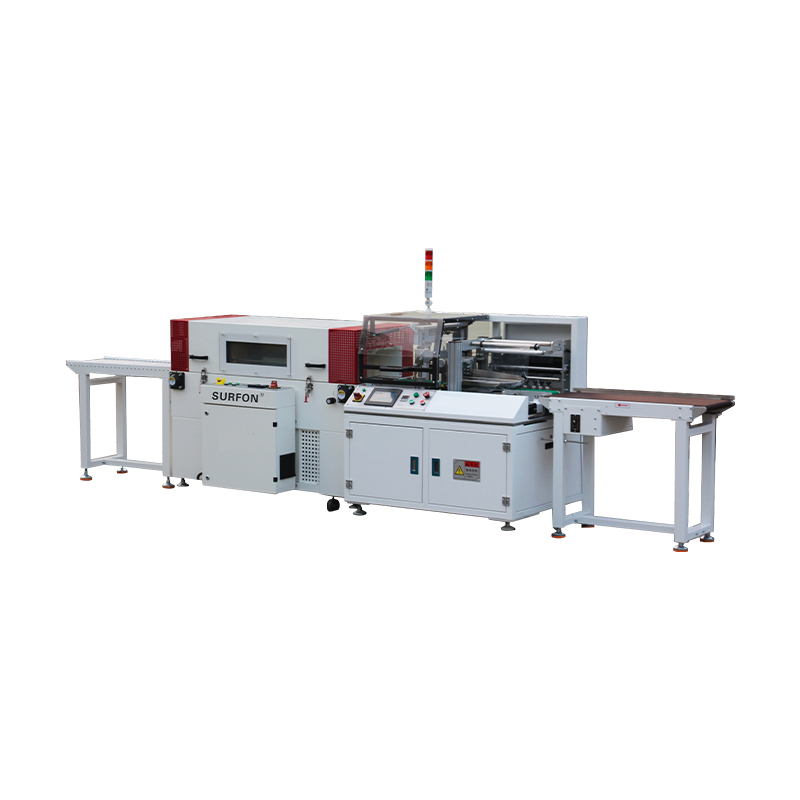
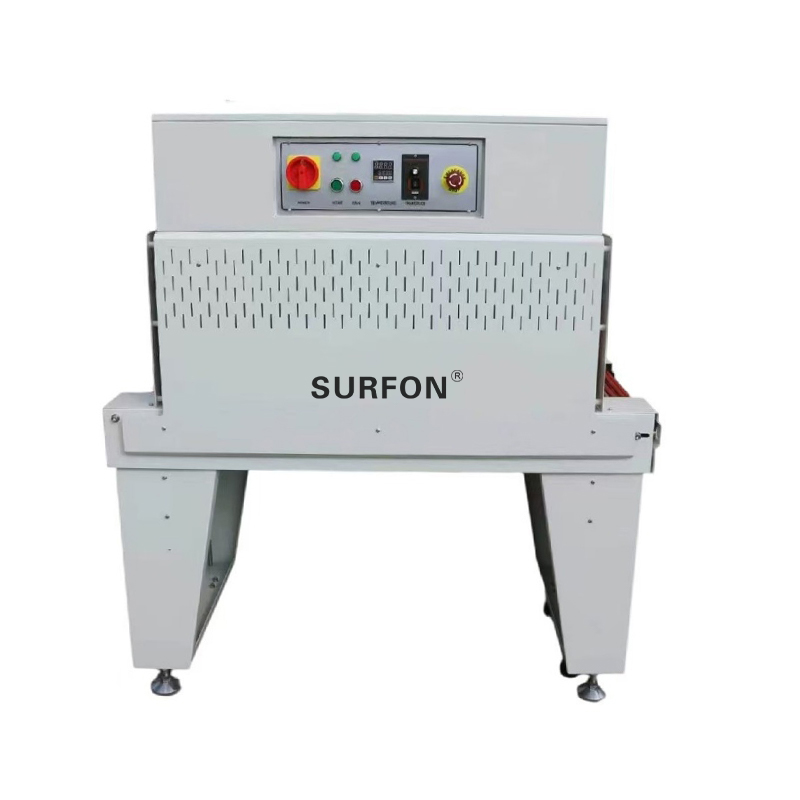 SF4525 Shrink Tunnel for Consistent Film Tension and Less WasteDesigned for small to medium goods, this tunnel uses adjustable holders and precise heat control to minimize film waste and per-package cost.View Product →
Another consideration is film roll width. Standard roll widths force you to cut or overlap film, which increases waste. A machine with adjustable film holders and accurate sealing can reduce that waste, making a moderate-priced film noticeably cheaper in practice.
Equipment Costs: Manual, Semi-Automatic, and Fully Automatic
Your equipment budget is highly flexible. A manual heat gun can cost next to nothing compared to a full production line, but it also consumes more labor and creates inconsistent results. The table below shows how equipment choices map to cost and speed.
| System | Initial investment | Ideal output | Labor requirement |
|---|---|---|---|
| Manual / heat gun | Very low | Small batches | High |
| Semi-auto L-bar sealer | Moderate | Low to medium volume | One to two operators |
| Fully auto side-seal line | High | High volume | Minimal supervision |
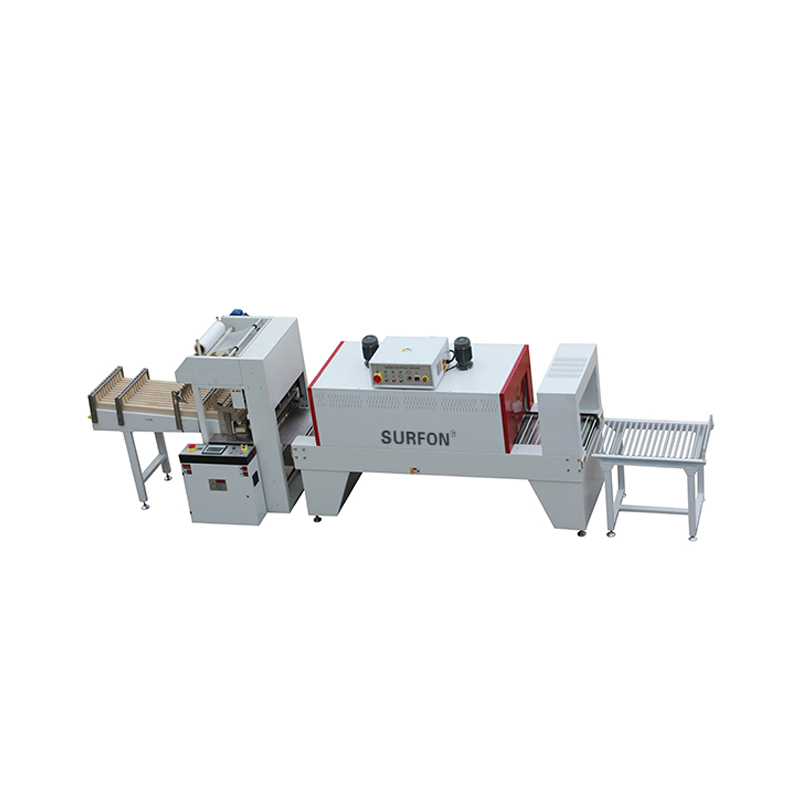
If your product sizes vary often, a semi-automatic machine gives you more control and a quicker changeover. For stable product lines with high throughput, a fully automatic side-sealer removes most of the labor cost from the calculation. The fully automatic economical vertical L-bar sealer with shrink tunnel is a popular starting point for manufacturers who want automation without a complex multi-machine setup.
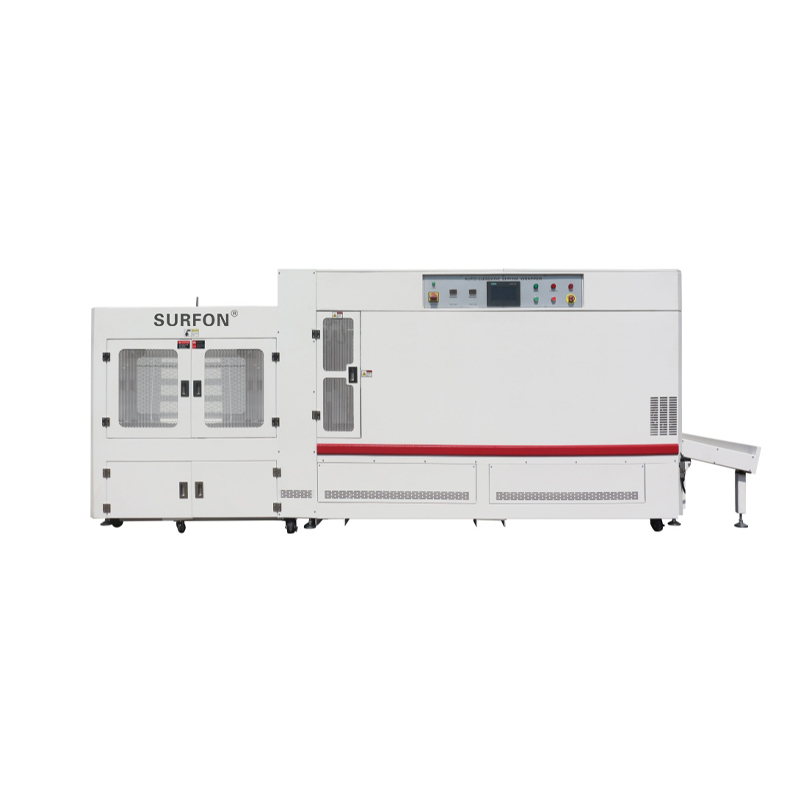
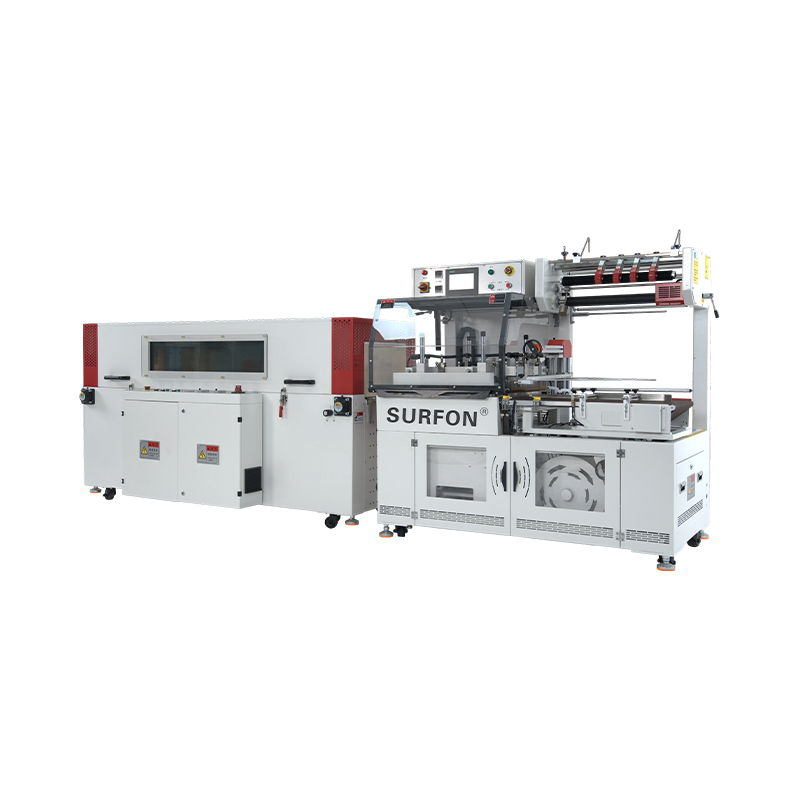 Fully Automatic Vertical L Bar Sealer with Shrink Tunnel for High VolumeThis automation-focused system cuts labor costs and uses a constant-temperature tunnel with efficient heating cycles, ideal for stable high-throughput lines.View Product →
Energy usage also differs significantly between systems. A full-size shrink tunnel must stay warm even during short pauses, so the design of the heating chamber affects your electricity bill. Using a tunnel with a good temperature control system avoids unnecessary heating cycles.
How to Calculate the Cost per Wrapped Package
Instead of looking at a single shrink wrap price, build a simple unit-cost model. The total cost per package is the sum of four main inputs:
- Film cost: Divide the roll price by the number of packages you can wrap with it.
- Equipment depreciation: Divide the machine price by the estimated number of packages it will produce over its lifetime.
- Labor cost: Divide the hourly wage of the operator by the packages produced per hour.
- Energy and consumables: Add electricity for the shrink tunnel plus spare sealing wires and blade replacements.
For a simple example, if a roll of film costs $90 and wraps 900 packages, the film cost is $0.10 per package. If a machine costs $15,000 and lasts for 600,000 packages, the depreciation is $0.025 per package. Add labor and energy, and you will quickly see where your real savings opportunities lie.
Once you have these four numbers, you can multiply the unit cost by your annual output to get a clear budget. If the unit cost is $0.15 and you wrap 200,000 packages a year, the annual shrink wrap cost is $30,000. That figure helps you compare different film and machine combinations without guessing.
Five Ways to Reduce Shrink Wrap Cost
- Choose the right film thickness instead of over-specifying.
- Reduce film waste with accurate sealing and temperature control.
- Match automation level to production volume.
- Buy film rolls in bulk from your supplier.
- Keep your shrink tunnel well maintained to avoid energy waste.
When Upgrading Your Shrink Wrap Line Makes Sense
At low volumes, a manual or semi-automatic setup may be all you need. But as output increases, so does the cost of labor and inconsistency. Many of our customers in e-commerce warehousing have found that moving to a fully automatic line shortened their payback period. To help you weigh the decision, we put together a plain-language guide on whether fully automatic shrink wrapping equipment is right for your production. And because cost assumptions differ by industry, you can also see how shrink wrap is used in e-commerce warehousing or other sectors.
A practical rule is to estimate your current labor cost per package and compare it with the savings from automation. If the difference is large enough to cover the machine payment in 18 to 24 months, the upgrade is usually worth it. Factors like floor space, changeover frequency, and film compatibility also play a role.
Ultimately, the answer to "how much does shrink wrap cost" is a balance of material, equipment, volume, and efficiency. The right way to find it is to run a small calculation based on your product size, target speed, and available floor space. If you are planning a new line or trying to improve an existing one, our team can help you outline a realistic budget and compare suitable machines. That is what we have been doing since 2004, and we are happy to share that experience.



Copyright @ Shanghai KUKO Packing Machinery Co., Ltd. All rights reserved
