


 中文简体
 Español

 2026.10.22
How Packing Machines Work: A Complete Guide to Shrink Wrapping Process
Content
- 1 The Basic Principle Behind Shrink Packing
- 2 Key Components of a Packing Machine
- 3 Step-by-Step: How a Shrink Wrapping Line Works
- 4 Common Machine Types and How They Work
- 5 The Special Role of Sleeve Sealing and Labels
- 6 Matching Film Type to Application
- 7 Integrating a Packing Machine into a Full Line
- 8 Choosing the Right Packing Machine
Packing machines are the quiet workhorses behind almost every product you see on a shelf. They wrap, seal, and protect items so they arrive in perfect condition. But how packing machine works is not always obvious. In this guide, we explain the working principle, the key components, and the step-by-step process of modern shrink wrapping systems. We will also look at common machine types, film choices, and the factors that help you select the right line.
The Basic Principle Behind Shrink Packing
At its core, a shrink packing machine applies heat to a plastic film so it tightens around a product. The film is usually POF, PE, or PVC/PET, and each material behaves slightly differently. POF film, for instance, has a low shrink temperature and delivers a clear, smooth finish, which is why it is often used in retail packaging. PE film is more resilient and better suited for heavy or bulky items. PVC and PET films are common for labels and tamper-evident bands.
The sequence is simple: first, the film is formed around the item. Then the machine seals the edges to create a closed package. Finally, the package moves through a heated tunnel where the film shrinks and conforms to the product shape. This three-stage cycle is the foundation of most modern packing machines. It also explains why they are so efficient: one operator can supervise a line that wraps hundreds or even thousands of products per hour.
Key Components of a Packing Machine
To understand how packing machine works in practice, it helps to look at the individual modules that form a complete line.
| Component | Function |
|---|---|
| Film unwinding system | Feeds the film from a roll and maintains consistent tension |
| Sealing unit | Cuts and welds the film edges into a sealed envelope |
| Shrink tunnel | Circulates hot air to heat the film and trigger shrinkage |
| Conveyor | Moves products through the sealing and heating zones |
| Control system | Coordinates timing, temperature, and speed via PLC or relay logic |
Each component must be carefully matched to the product size, line speed, and film type. A machine that works well for a small cosmetic box may not be suitable for a large carton or a stack of household goods.
The control system is especially important. On a modern machine, PLC-based controls adjust the sealing temperature, shrink tunnel airflow, and conveyor speed automatically. Some systems also include recipe memory, so an operator can switch between product formats with a few button presses.
Step-by-Step: How a Shrink Wrapping Line Works
Let us walk through a typical automatic line to see how the sequence comes together.
- A product arrives on the infeed conveyor at a controlled spacing.
- Film is unwound from a roll and formed into a tube or curtain around the product.
- Sealing jaws close, sealing and cutting the film at the leading and trailing edges.
- The sealed package continues into the shrink tunnel on a conveyor.
- Hot air is circulated evenly over the film surface, causing it to shrink tightly around the product.
- A short cooling section sets the film, producing a neat, secure wrap.
Some machines combine several of these steps into one compact system. For example, a continuous side sealer uses two film webs that move at the same speed as the product and creates seals on the fly, which makes it ideal for high-volume work.
Temperature control is another critical detail. If the shrink tunnel is too hot, the film may melt or distort. If it is too cool, the wrap will remain loose. The correct temperature depends on the film type, the product size, and the speed of the conveyor.
Common Machine Types and How They Work
Different product shapes and production speeds call for different sealing methods. Below are the most common types you will encounter.
L-Type Sealer and Shrink Tunnel
The L-type sealer is the classic starting point. It uses a single roll of film folded into an L-shaped sealing bed. The operator places the product between two layers, and the machine seals the open sides. This approach is flexible and easy to change over, making it a good fit for mixed batches.
Side Sealers
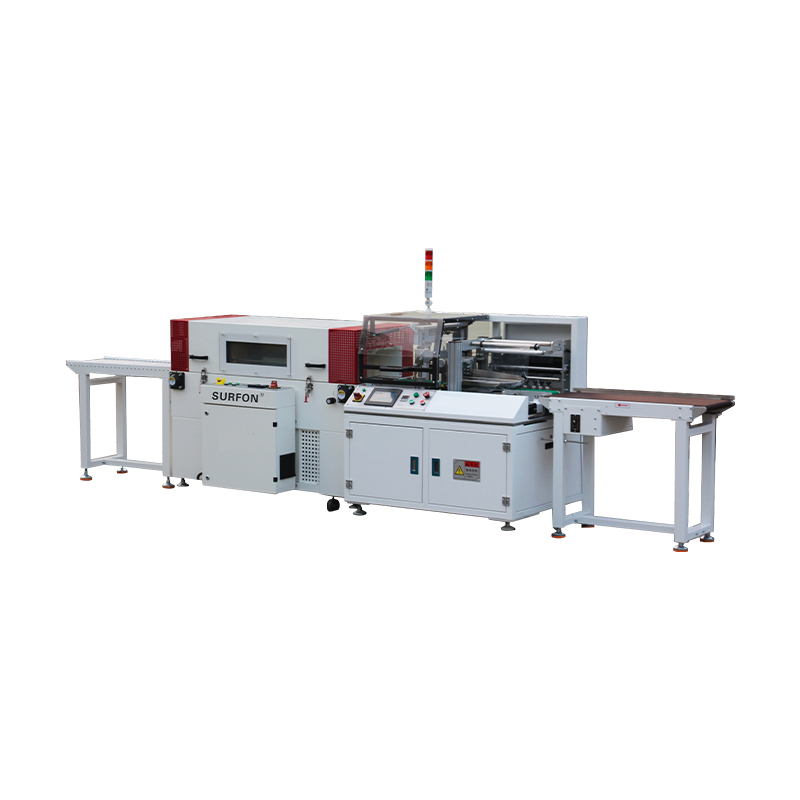
A side sealer is a more automated solution. Two film rolls create a continuous film tunnel, and the product moves through the tunnel while sealing blades close on the side edges. This allows very high speeds and is often seen in e-commerce and food lines.
Corner Sealers
A corner sealer seals the front and rear edges before the side sealing step. This is useful for products with irregular shapes or for producing a tighter package. The extra sealing stations help the film stay in position while the product moves down the line.
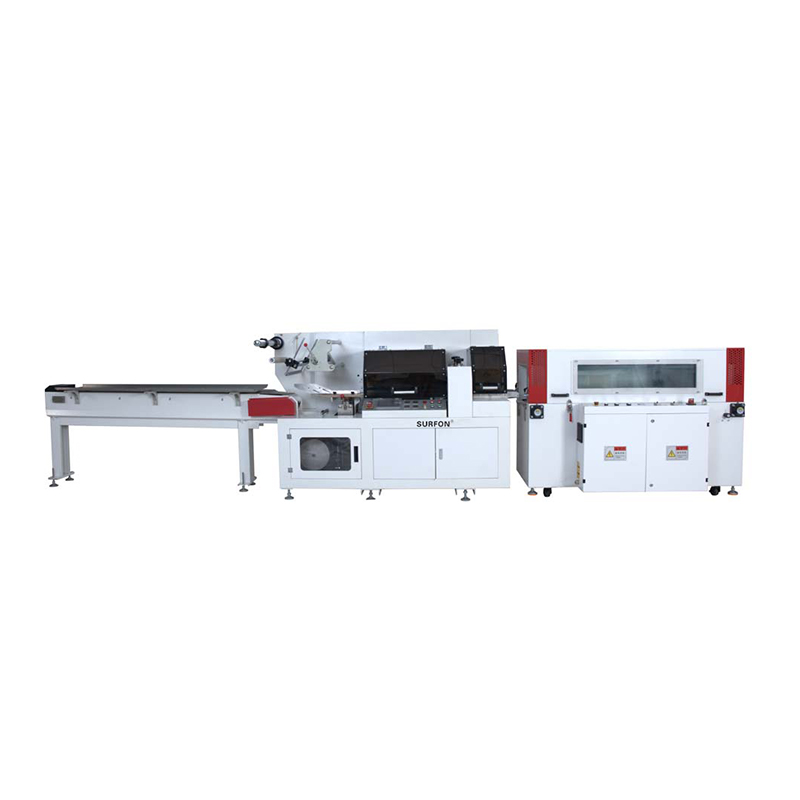
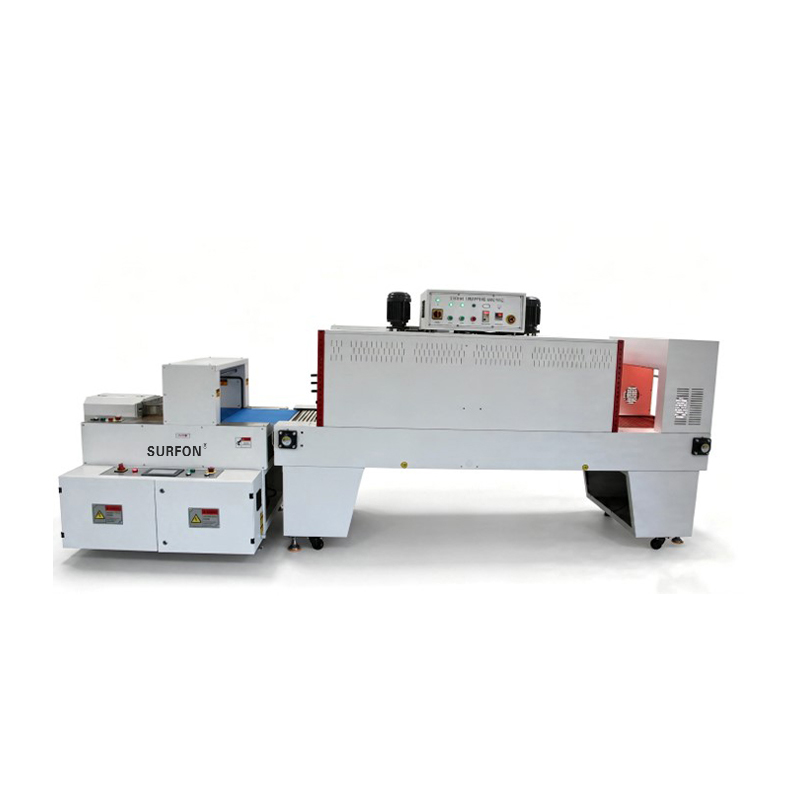
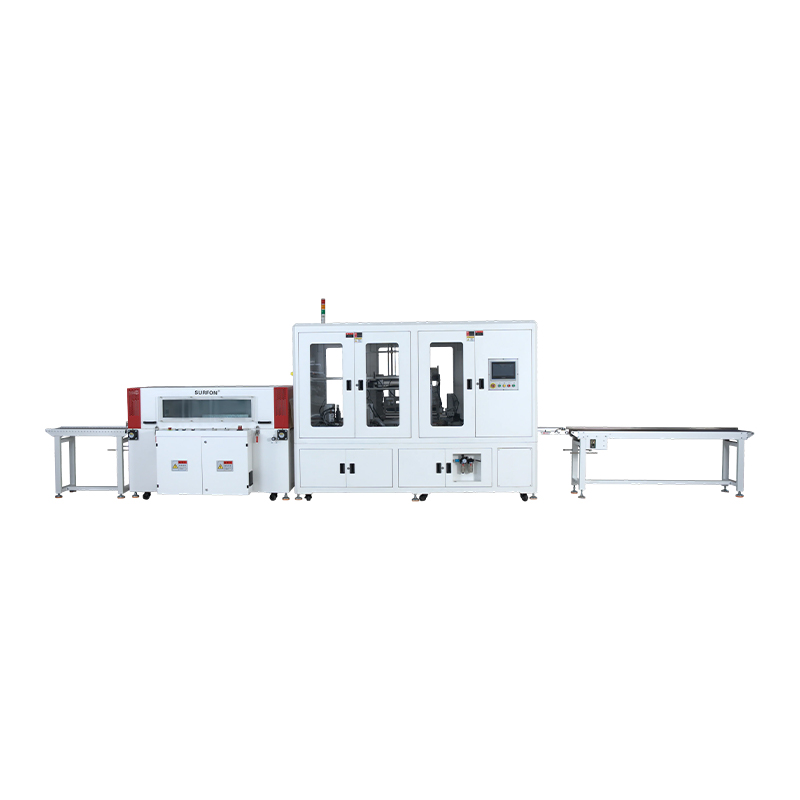 Fully-Automatic Corner Sealer and Shrink Tunnel for Small ProductsThis integrated four-corner sealing and shrinking machine suits medium-speed lines, offering formula changeovers and multi-servo control to eliminate wrinkles for neat small-product packaging.View Product →
Each style has a natural speed range and a set of products it handles best. L-type sealers are favored for quick changeovers and moderate throughput. Side sealers excel in continuous operation. Corner sealers add an extra controlled seal for better package appearance.
Some machines are designed to work with a separate shrink tunnel, so if you already have a tunnel, you can add a sealing unit to build a line step by step.
The Special Role of Sleeve Sealing and Labels
Many packing machines are actually sleeve sealing machines. Instead of wrapping the entire product, they slide a tubular film or label over a container and then shrink it. This is how you get the labels on bottles, jars, and cans.
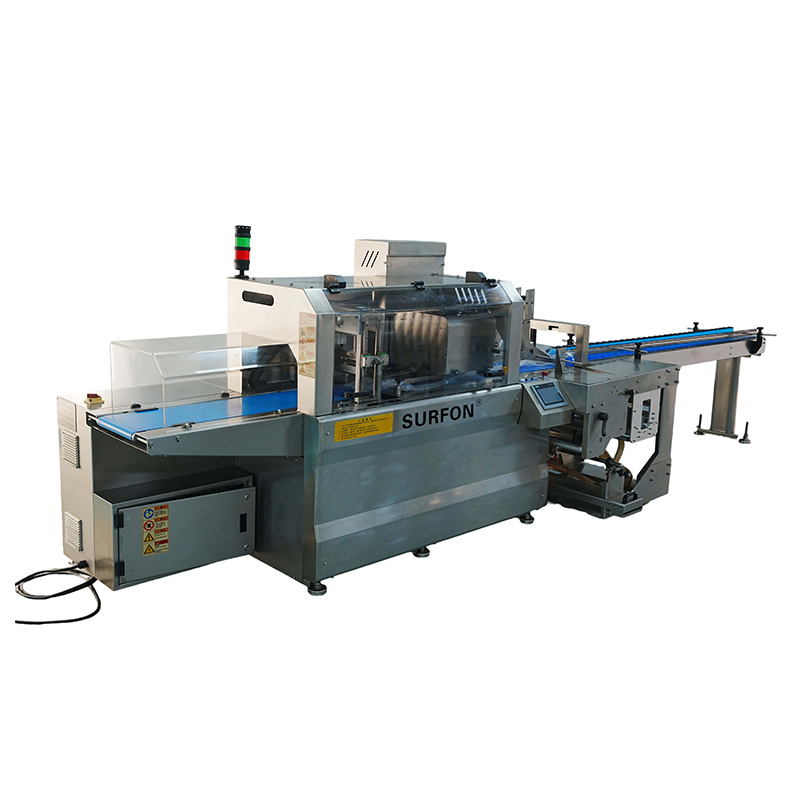
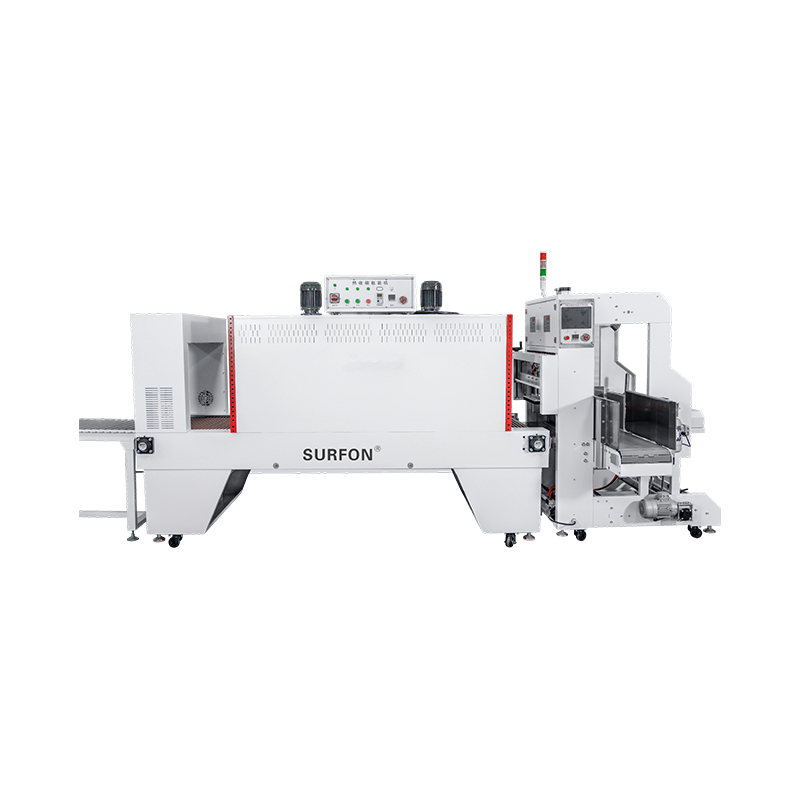 Integrated Sleeve Sealer with Shrink Tunnel for Flexible Multi-PacksCombining sleeve wrapping and shrinking, this machine switches between single items and tray packs without tool changes, ideal for bottles, gift boxes, and continuous medium-speed operations.View Product →
A typical fully automatic sleeve system uses a film roll that is cut to length, opened by a mandrel, and placed over the product. A shrink tunnel then tightens the sleeve around the container. The same principle applies to article sleeves, multi-packs, and anti-tamper bands.
For higher output, multi-row and multi-layer sleeve systems are available. These machines can apply sleeves to several products at once, which is valuable in the beverage and personal care industries.
Matching Film Type to Application
The choice of film has a direct effect on how a packing machine must be set up. POF film shrinks at a relatively low temperature and gives a clear, glossy finish, which is popular for retail products. PE film is tougher and often used for larger or heavier items. PVC and PET films are typically chosen for sleeve labels.
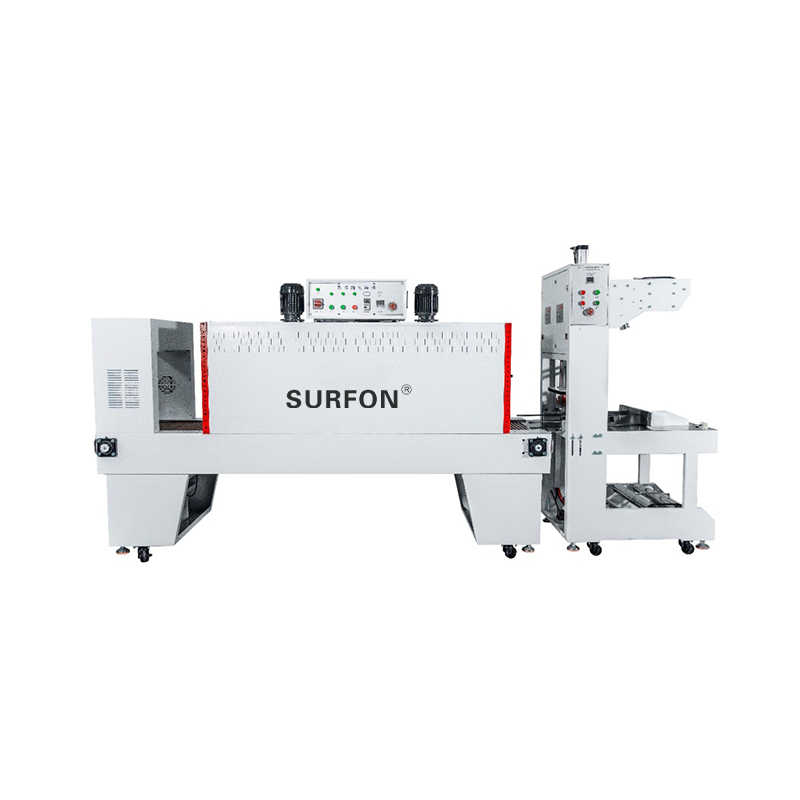
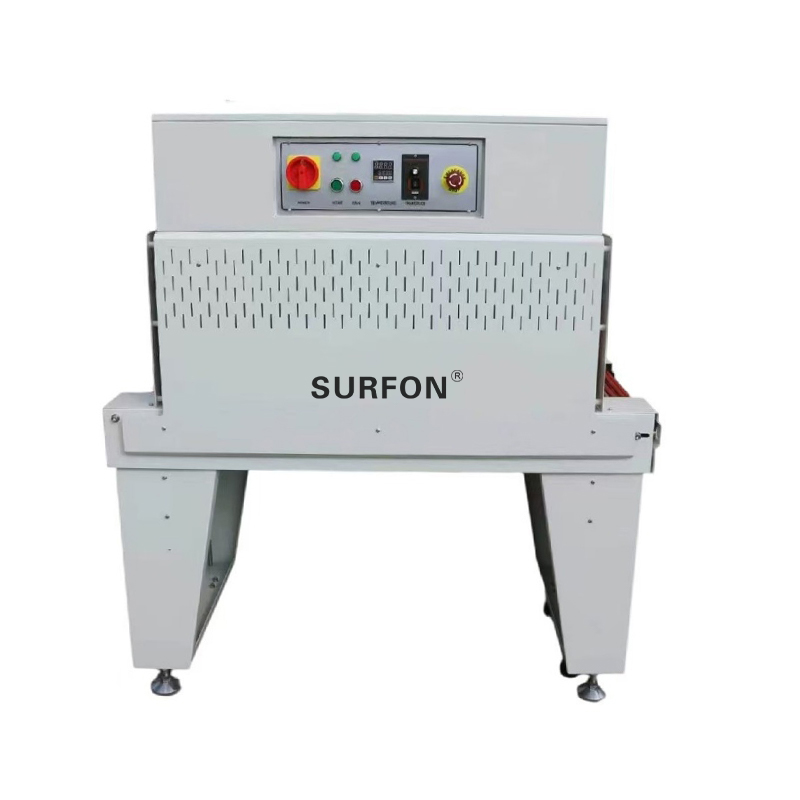 Compact Heat Shrink Tunnel SF-4525 for Versatile Film TypesThis medium-sized shrink tunnel offers precise temperature and speed control, works with PVC, POF, and PET films, and suits small to medium goods for dustproof retail packaging.View Product →
The shrink tunnel needs the correct combination of temperature, air velocity, and dwell time for each film. That is why manufacturers offer models with different chamber sizes and heating configurations. For example, a short-cavity double-circulation tunnel gives better heat distribution for small packages, while a wide tunnel handles large trays and heavy items.
Integrating a Packing Machine into a Full Line
A single packing machine rarely works alone. In many facilities, it sits between a product assembly line and a case packing or palletizing station. This means the machine needs to match the speed of both sides. A well-designed line includes an infeed buffer, correct conveyor spacing, and a discharge zone that feeds the next machine.
For larger projects, manufacturers can provide integrated solutions that combine sealing, shrinking, sleeve labeling, and even pallet wrapping in one automated process. This reduces manual handling and keeps the packaging quality consistent.
Choosing the Right Packing Machine
Choosing a machine starts with your product dimensions, speed, and film preference. You also need to decide between semi-automatic and fully automatic operation. For example, an e-commerce warehouse with many different product sizes may prefer an L-type sealer, while a beverage line needs a high-speed sleeve or side sealer.
Key Factors to Consider
- Product dimensions and weight
- Line speed and output target
- Film type and packaging appearance
- Available floor space and integration with upstream and downstream equipment
- Automation level and labor availability
- Changeover requirements between different product sizes
Application knowledge is just as important as technical specifications. We have worked with food and beverage producers, electronics manufacturers, and logistics centers for over twenty years. You can read more about our food and beverage packaging experience and whether a fully automatic line is right for your production.
Understanding how packing machines work helps you ask the right questions and choose equipment that will run reliably for years. The beauty of modern shrink wrapping is its flexibility: the same basic principle can be tuned to wrap a single bottle, a stack of books, or an entire pallet. At KUKO, we have spent over two decades building low-, medium-, and high-speed systems across a range of industries. If you are planning a new line or upgrading an existing one, our team is happy to discuss the options with you.



Copyright @ Shanghai KUKO Packing Machinery Co., Ltd. All rights reserved
