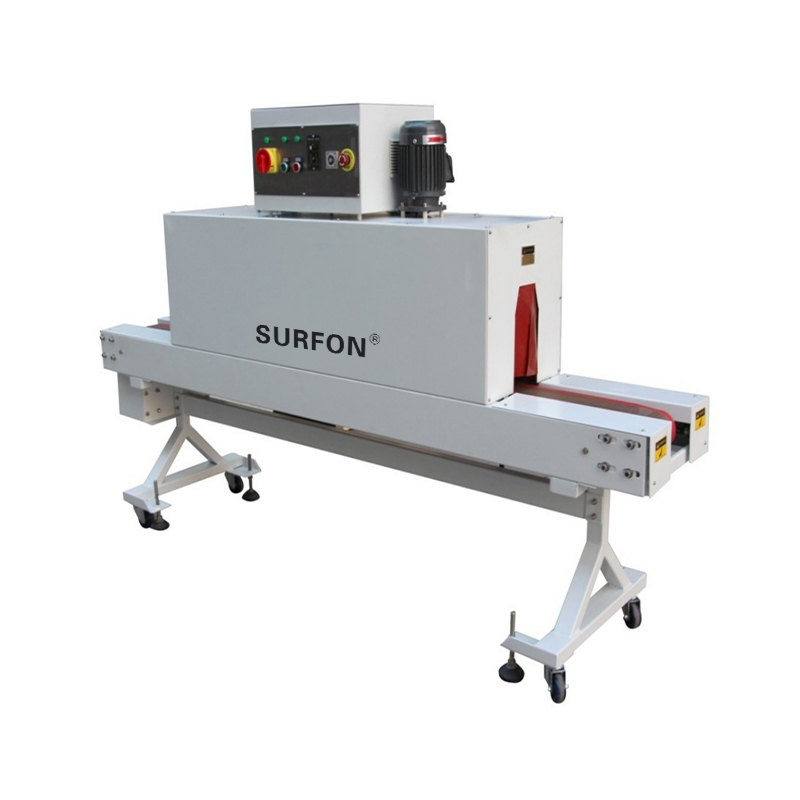
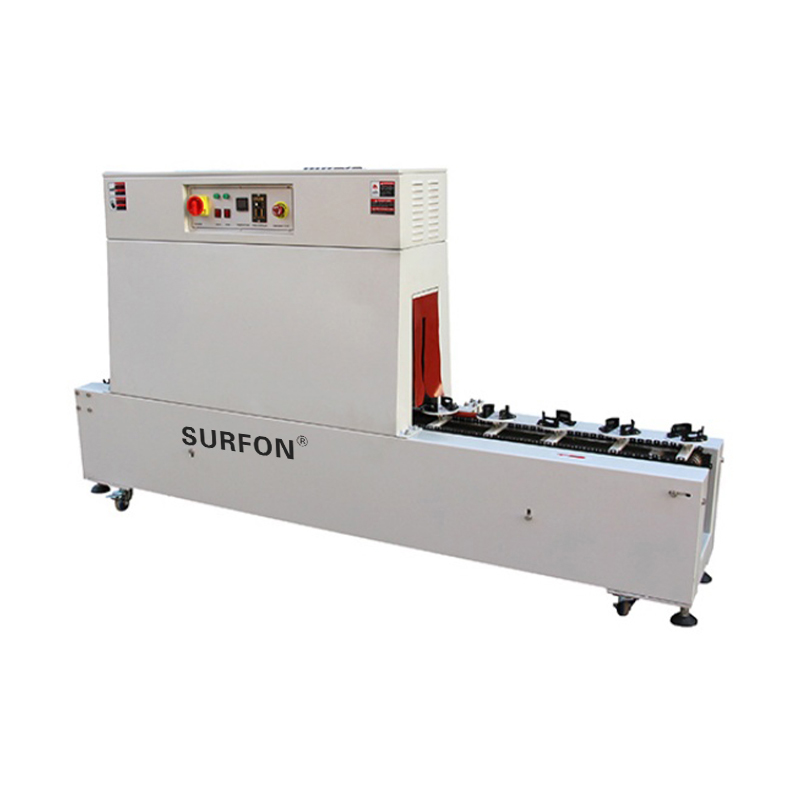
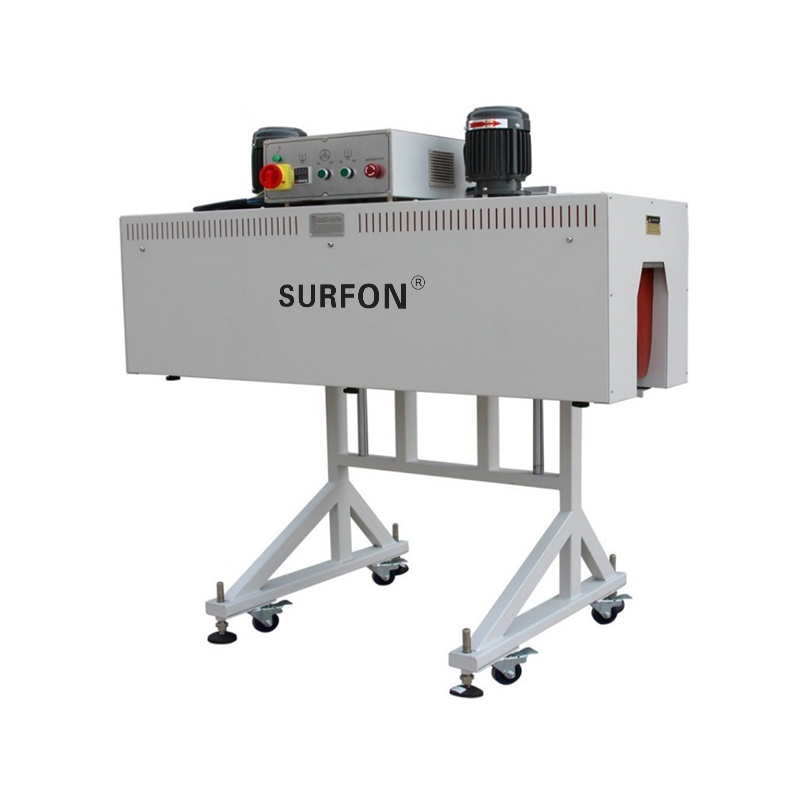
Shanghai KUKO Packing Machinery Co., Ltd. is a China-based PVC/PET Film Label Shrink Tunnel manufacturer. We design and build heat shrink tunnel systems specifically for sleeve labels and tamper-evident bands used on bottles, jars, cans and other cylindrical or contoured containers. Our range covers standalone tunnels, tunnels with integrated conveyors, and tunnel sections engineered to drop into existing sleeve labeling lines.
As a supplier focused on fully automatic sleeve labeling and heat shrink packaging equipment, we apply more than two decades of machine building experience in food, daily chemicals, pharmaceuticals, electronics and household care. The category is part of our wider Shrink Wrapping Machine family, and each tunnel is configured around the container profile, film behavior and line speed you need to sustain.
What Our PVC/PET Film Label Shrink Tunnel Range Covers
Our standard offering is structured around three build forms so the tunnel can be matched to greenfield lines and existing production floors:
With Conveyor Line
A complete conveying system with adjustable guide rails, temperature-controlled shrink section and speed synchronization for direct connection to an upstream sleeve applicator.
Stand-Alone Tunnel
A heat shrink machine designed for manual or semi-automatic feeding when the labeling process is not yet fully automated.
Without Conveyor Line
A tunnel section that is integrated into an existing conveyor network, allowing the customer’s own infeed and outfeed equipment to move products through the heat zone.
All three forms are available in low, medium and high-speed series as part of our broader catalog of more than 200 models. We use this modular approach to avoid forcing a one-size-fits-all tunnel into a line that already has fixed pitch, elevation or control requirements.
Process Fit and Film Considerations
PVC and PET heat shrink films behave differently under heat, so the tunnel must be set up for the actual film grade, not just the container size. PVC film softens at a lower temperature and has a tighter processing window; PET film requires higher heat input but delivers higher shrink force and better gloss. Our tunnel configuration accounts for this through heating zone length, air circulation pattern, exhaust venting and conveyor speed.
The correct tunnel profile shrinks a printed sleeve smoothly onto the container shoulder, body and neck without hazing, fish eyes, dog ears, or distortion of the bottle. We use the following project data to define the heat profile:
- Container material, wall thickness and heat sensitivity
- Sleeve film type, thickness and shrink percentage
- Sleeve overlap and label area before shrink
- Intended line speed and product pitch
- Ambient plant temperature and ventilation conditions
Our Sleeve Sealing Shrink Wrapping Machine range covers the cutting and sealing stage for full-sleeve and band applications, while the PVC/PET Film Label Shrink Tunnel is responsible for controlled heat application and final shrinkage. Together, the two stages create a continuous labeling process.
Critical Specifications We Engineer Around
The exact specification is defined by your product dimensions and throughput target. Our engineering review focuses on:
| Parameter |
Why It Matters |
What We Configure |
| Container size range |
Defines tunnel opening and conveyor width |
Working height, heating chamber dimensions, guide rail width |
| Throughput |
Determines dwell time and heat recovery capacity |
Heating zone length, air volume, conveyor speed range |
| Film behavior |
PVC and PET shrink at different temperatures and forces |
Temperature setpoints, venting pattern, airflow direction |
| Product heat tolerance |
Avoids distortion, label scorching or content damage |
Temperature ramp, belt speed, optional cooling section |
For applications where the container is lightweight or thin-walled, we adjust the heat distribution and conveyor speed so the film shrinks tightly without crushing the product. For rigid glass or PET beverage bottles, higher air circulation and faster line speeds are the priority.
Controls, Automation and Line Integration
Our tunnels are designed for continuous 24/7 production. The control platform supports synchronized speed control with upstream sleeve labeling machines and downstream conveyors, so label placement and shrink completion remain stable during start-up, steady running and product changeover.
- PLC-based temperature control with separate heating zones
- Variable frequency drive for conveyor speed adjustment
- Digital temperature readout and fault indication
- MES integration for production data collection and line monitoring
- Quick-change guide rails for multiple container diameters
When the tunnel is part of a larger end-of-line system, we coordinate the electrical interface, safety interlocks and control philosophy with the rest of the packaging line. This applies whether the tunnel is supplied alone or together with a sealing machine, conveyor system and palletizing equipment.
Quality, Compliance and Project Support
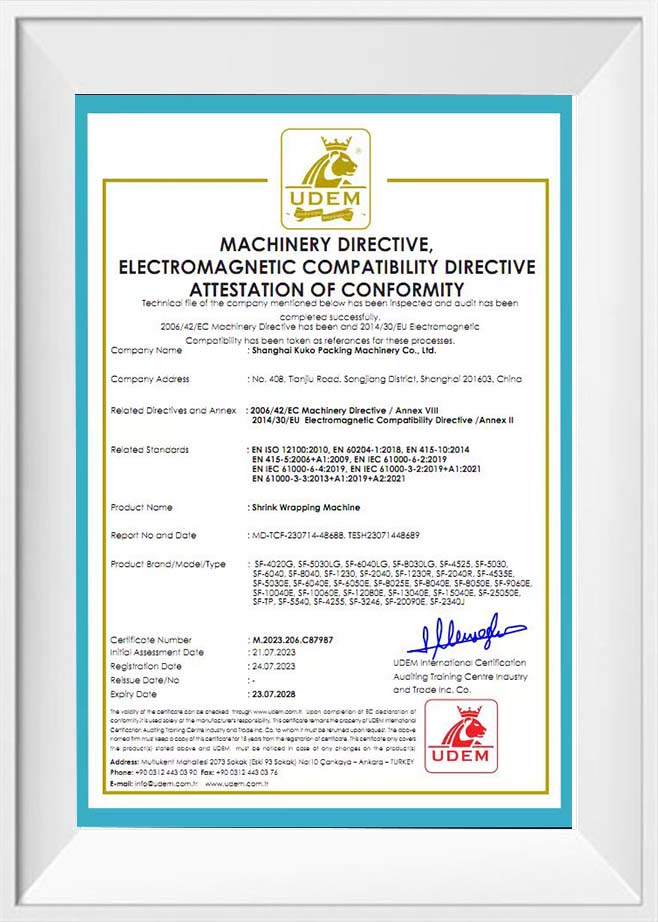
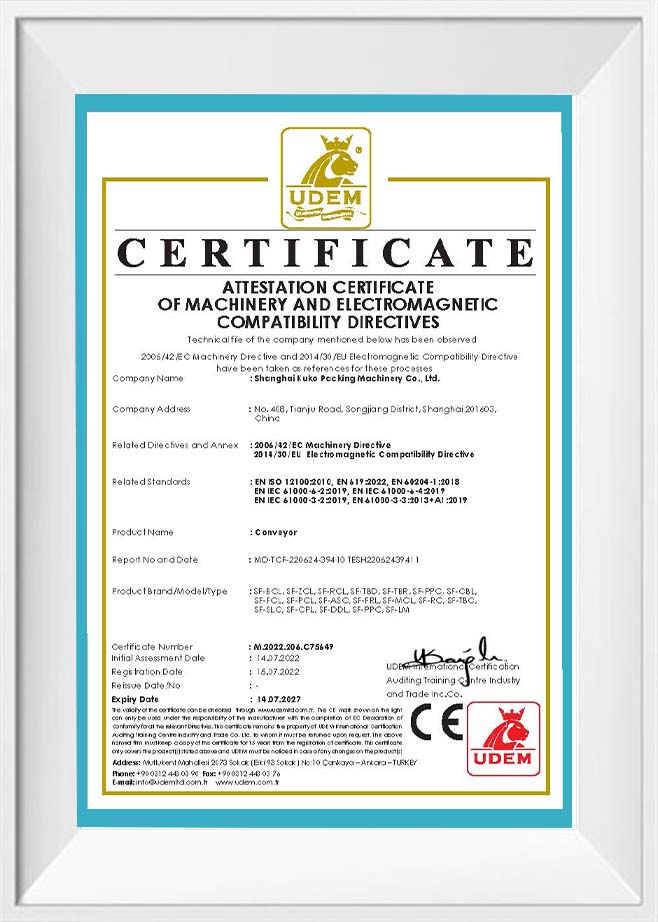
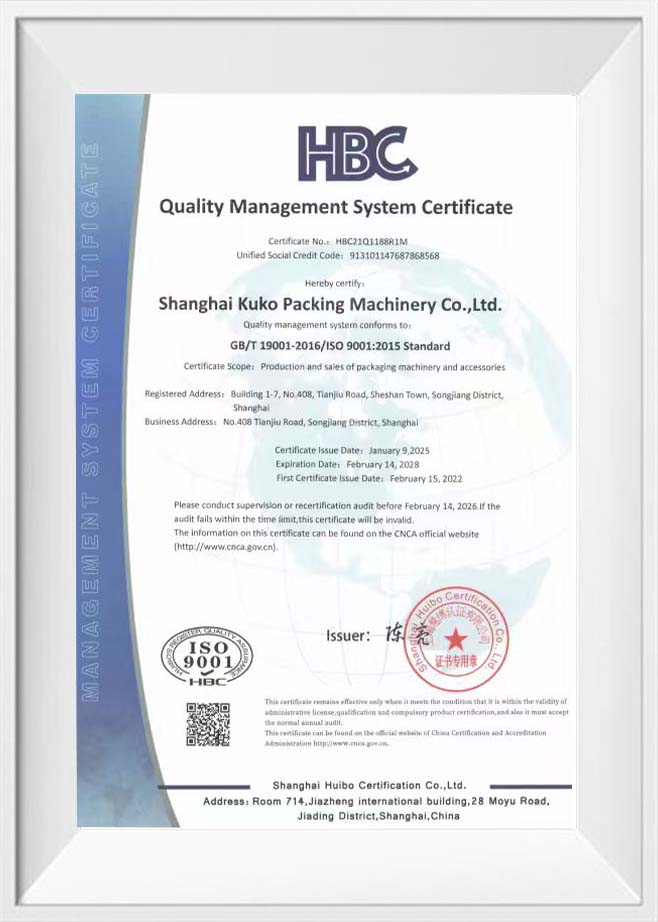
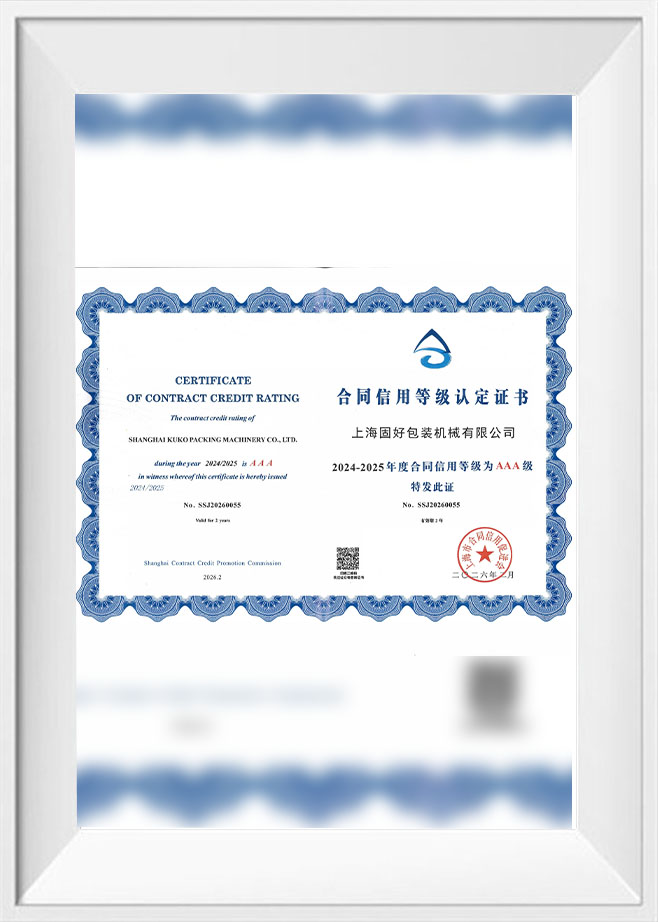
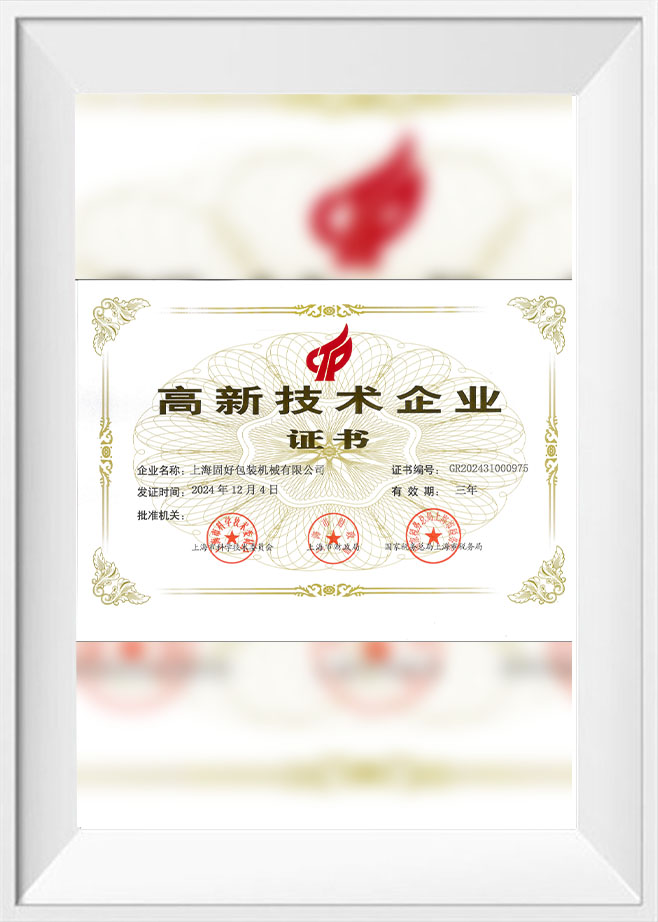
We manufacture in two production bases with a combined workshop area of 34,000 square meters, using German IPG laser cutting and imported servo bending equipment for precision sheet metal work. Our quality system covers ISO9001, and our machines carry EU CE certification, with recognition as a Shanghai High-Tech Enterprise and a “Specialized and Sophisticated” Enterprise.
Before shipment, we review the machine against the agreed configuration: container size, film type, line speed, utilities and control interface. We provide documentation that supports installation, commissioning, maintenance and spare parts planning. If your project requires non-standard conveyor lengths or specific electrical panels, we include those requirements in the proposal and design review.
Information We Use to Configure Your Solution
To prepare a precise proposal, we need the following project inputs. The more accurate the data, the shorter the commissioning time and the fewer changeover surprises on your line.
- Container shape, material, diameter/width, height and weight
- Sleeve label film type (PVC or PET), thickness and shrink percentage
- Required output in bottles, jars or packs per minute
- Current line speed and available floor space
- Electrical supply voltage/frequency and available ventilation
- Upstream sleeve applicator brand/model and interface requirements
- Need for MES connectivity, data logging or barcode integration
- Changeover frequency and number of container sizes
With these inputs, we define the tunnel size, heating capacity, control options and conveyor configuration, then issue a proposal with the technical scope needed for project approval.
FAQs
What is the difference between a PVC and PET shrink label tunnel?
PVC film requires a lower shrink temperature and a more controlled heat profile, while PET film needs higher heat input and provides higher shrink force and a cleaner finished appearance. We set the tunnel temperature, air volume and conveyor speed according to the film type you intend to run, so the same tunnel can often handle both films with a parameter change.
Can the tunnel be added to an existing sleeve labeling line?
Yes. We supply tunnel-only configurations that bolt into an existing conveyor system, as well as complete tunnels with integrated conveyor lines. We need the existing conveyor height, product pitch and speed signal to synchronize the tunnel correctly.
How do you prevent label hazing or bottle distortion?
Hazing is usually caused by excessive heat or long exposure time; distortion is usually caused by over-shrinkage or high film tension. We balance heating zone length, temperature and belt speed, and we can increase venting and air circulation to avoid trapped air and fishtail wrinkles.
Can the shrink tunnel communicate with a plant MES system?
Yes. Our control system can be configured for MES integration to report running status, production counts and fault alarms. This keeps the labeling line visible within the wider factory monitoring system and supports traceability.
What support is provided for installation and maintenance?
We provide technical documentation, commissioning support and life-cycle maintenance assistance. The proposal includes the utility connections, layout footprint and spare parts list that your team needs to prepare the installation and run the equipment reliably.
How quickly can the tunnel be changed over for different bottle sizes?
Changeover time depends on whether the container diameter changes require guide rail adjustment, tunnel height adjustment or a different conveyor pitch. We design guide rails and conveyor adjusters for quick setup so common changeovers are completed without special tools.



 中文简体
中文简体 Español