


 中文简体
中文简体 Español
 2026.10.07
How Does Shrink Plastic Work? The Science Behind Shrink Film Packaging
Content
If you have ever watched a shrink-plastic charm curl and flatten in a kitchen oven, or noticed how a shrink sleeve wraps tightly around a beverage bottle, you have witnessed the same phenomenon at two very different scales. Shrink plastic is a thin, flexible sheet that contracts when heated, often to a third or even a fifth of its original size. But what actually causes that contraction? The answer is not magic; it is polymer science. Understanding how shrink plastic works, from the molecular level to the production floor, helps both crafters and packaging engineers achieve consistent, predictable results.
The science behind shrink plastic: polymer memory
The key concept is polymer memory. Shrink plastic is usually made from polystyrene, the same material family used in disposable cups and clear packaging. During manufacturing, the raw polymer is heated until it softens and is then rolled into a thin sheet. At this point the polymer chains are randomly coiled, and the sheet is dimensionally stable.
The critical step is what happens next. While the sheet is still warm, it is mechanically stretched in one or both directions. This pulling action aligns the long polymer chains into an extended, ordered arrangement. The sheet is then rapidly cooled while still under tension, which locks the chains into that stretched shape. The molecules would prefer to return to their natural jumbled coils, but they lack the thermal energy to move.
That stretched state is what gives the film its shrink memory. When the cooled sheet is later reheated, the polymer chains gain energy, break free of their frozen alignment, and relax back toward a random coiled configuration. As the chains contract, the film shrinks and becomes noticeably thicker and denser. This is the same behavior described by materials scientists studying craft shrink plastic: the polystyrene is heated, rolled thin, and rapidly cooled so that it retains its stretched form until heat releases it again.
Why heat triggers the shrink effect
Heat is the trigger because polymers are temperature-dependent materials. Below their glass transition temperature, the chains are rigid and effectively frozen in place. Above it, the molecules become mobile enough to slide, rotate, and reorganize. When an oriented film crosses that threshold, the tension locked into the sheet during manufacturing is released, and the plastic contracts toward its unstretched state.
The exact behavior depends on several variables:
- Temperature: each film has an effective shrink range. Too low, and the film only softens; too high, and it can melt, scorch, or tear.
- Time: even heating for a few seconds is usually enough; uneven heat can cause warping, bubbles, or incomplete shrinkage.
- Thickness: thicker sheets shrink with more force and produce a stiffer final product.
- Material: different polymers have different shrink rates, temperature windows, and finished properties.
The table below summarizes the most common shrink materials and their typical operating windows.
| Film Type | Typical Shrink Range | Common Applications |
|---|---|---|
| Polystyrene | 150-180°C (300-350°F) | Craft sheets, labels, hobby projects |
| POF (polyolefin) | 140-180°C (285-355°F) | Retail food packaging, gift boxes, small goods |
| PE (polyethylene) | 130-180°C (265-355°F) | Heavy items, multipacks, pallet shrouds |
| PVC / PET | 90-150°C (195-300°F) | Sleeve labels, bottle wraps, tamper bands |
From craft sheets to commercial shrink film
For hobby crafters, the classic form is a sheet of oriented polystyrene. You draw or print a design, cut it out, and place it in an oven or under a heat gun. Within seconds the piece curls, flattens, and shrinks to roughly one-third of its original size while becoming about nine times thicker. It is shrink plastic in its purest form.
Commerce uses the same principle with engineered films. Packaging films made from polyolefin (POF), polyethylene (PE), and PVC/PET are oriented during manufacturing and then shrunk around products in heat tunnels. A battery pack sealed in POF, a pallet covered in PE, and a bottle dressed with a PVC sleeve all rely on the exact same polymer memory. The science is identical; only the scale and the machinery differ. Across the industry, the applications of heat-shrink packaging machines span food, electronics, logistics, and countless other sectors.
How industrial shrink wrapping works step by step
Industrial shrink wrapping reproduces the craft process with automation, speed, and precision. In our two decades of building shrink-wrapping systems, we have found that nearly every reliable line follows the same three stages:
- Wrapping: the product is placed inside a film bag or between two layers of shrink film.
- Sealing: a sealing machine welds the film edges together with heat and pressure, forming a closed envelope around the product.
- Shrinking: the sealed package moves through a shrink tunnel, where heated air raises the film above its shrink temperature. The film tightens, conforms to the product, and cools into a protective skin.
The sealer design determines the shape and efficiency of the operation. An L-bar sealer cuts and seals the film in one motion, which makes it the standard choice for rectangular products and medium-to-high production rates. A corner or side sealer uses a continuous seal for long or wide items, while double-side sealers handle both edges in a single pass for maximum throughput.
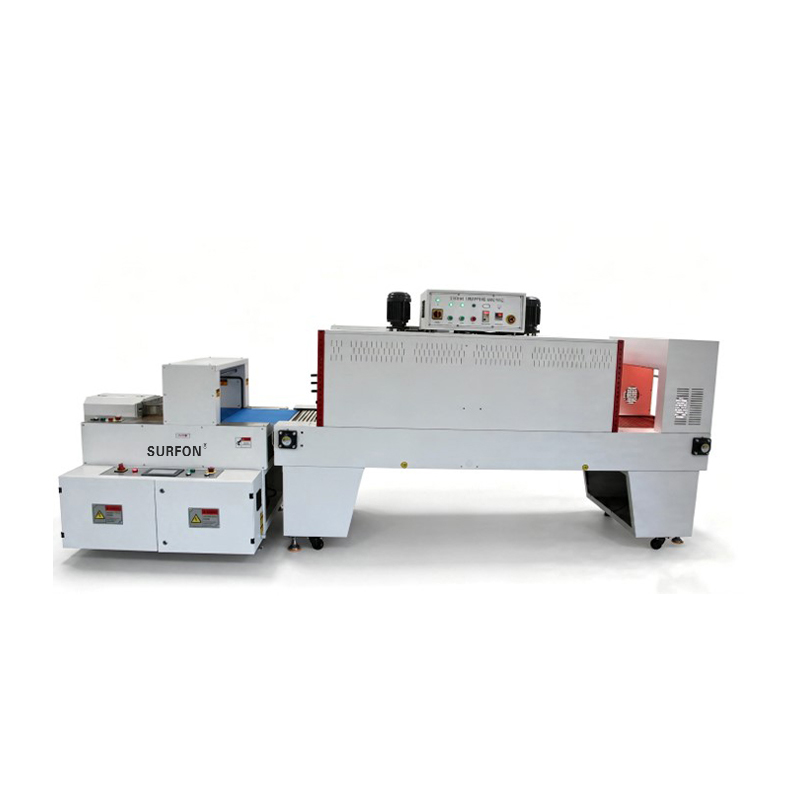
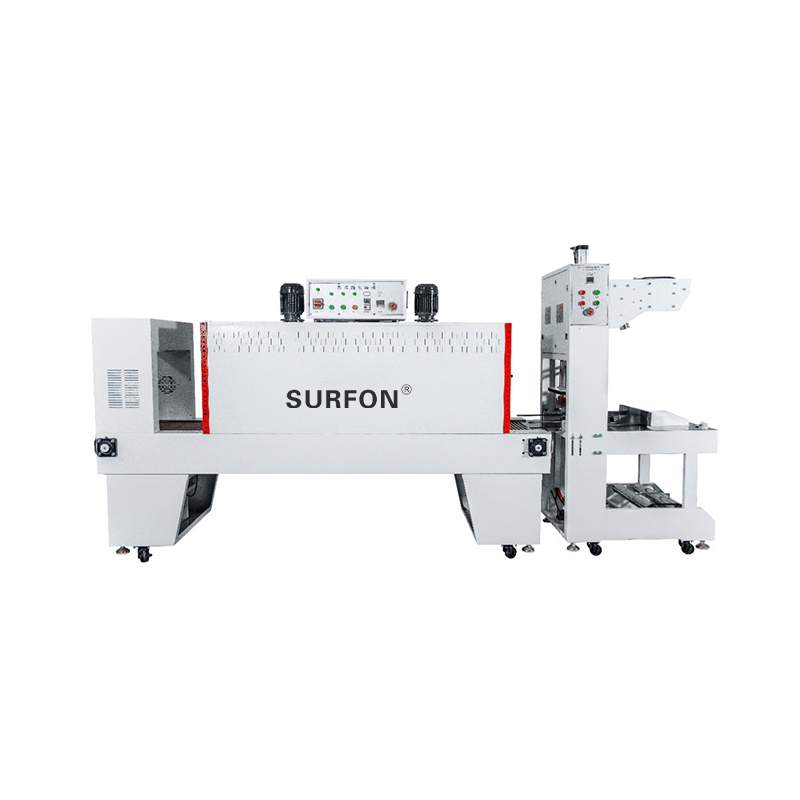
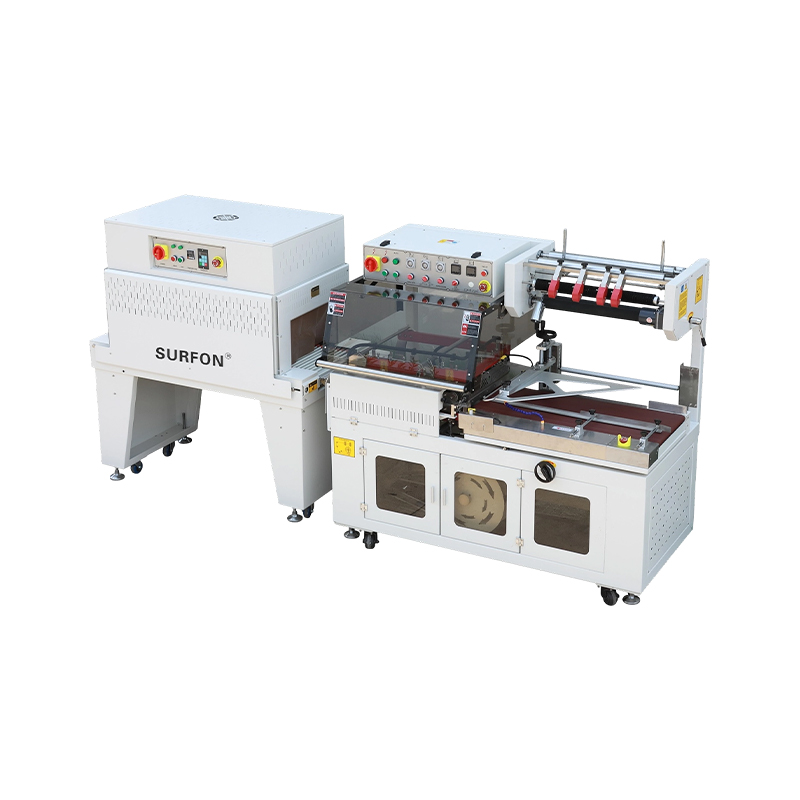 Fully-Automatic L-Bar Sealer with Shrink TunnelThis integrated system combines L-bar sealing and cutting with a shrink tunnel for automated small-to-medium box packaging. Its visualized scale adjustments and anti-cut sensors make it reliable for consistent, mass-production wrapping.View Product →
Choosing the right shrink film
Because the science is consistent but the materials are not, the practical results depend on matching the film to the product. Start with the film:
- POF film delivers a clear, glossy finish, shrinks quickly, and is safe for food contact, making it a popular choice for retail and food packaging.
- PE film is tougher and more economical, and it is frequently used for heavy products, multipacks, and pallet-level wrapping.
- PVC and PET films are favored for sleeve labels and bottle wraps because they are stiff, printable, and shrink at relatively low temperatures.
Each material has its own shrink ratio, strength, and optical clarity, so the right film is the one that fits the product's weight, shape, and handling requirements. For products that need a clean, food-safe finish at moderate speeds, a POF shrink-wrapping machine is often the best fit.
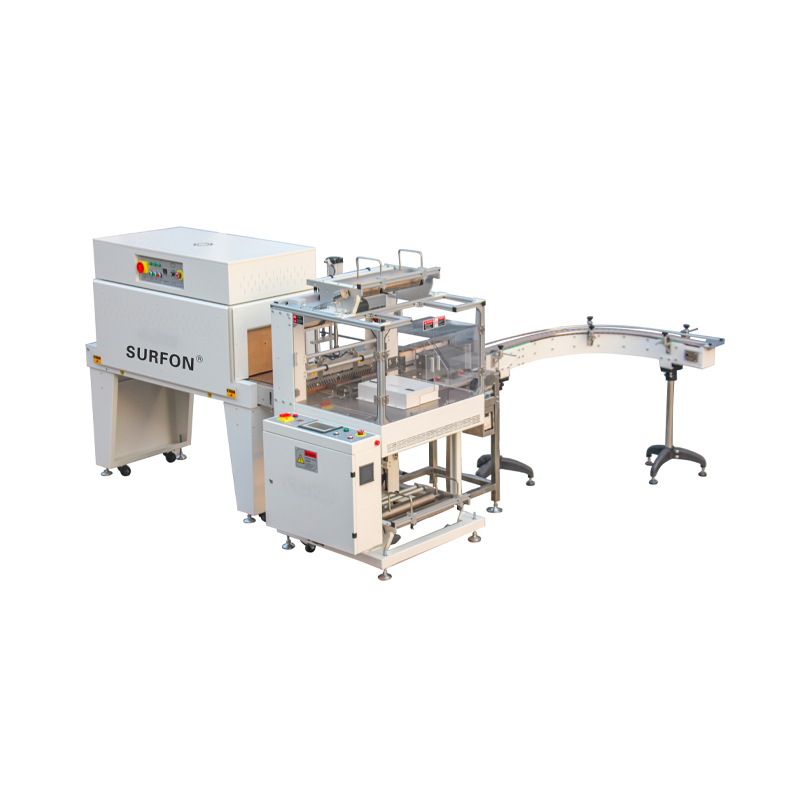
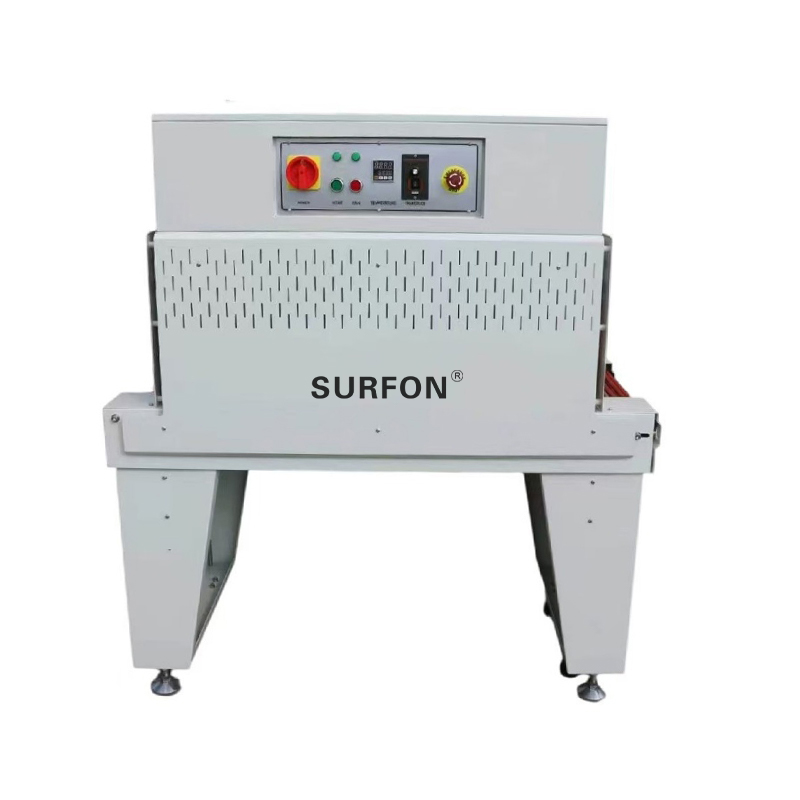 Durable Heat Shrink Packaging Machine SF-4525This machine features a long-lasting heating system and compatibility with PVC, POF, and PET films. Its heavy-duty conveyor and even heat distribution suit diverse product sizes, especially useful when film selection varies.View Product →
Choosing the right equipment
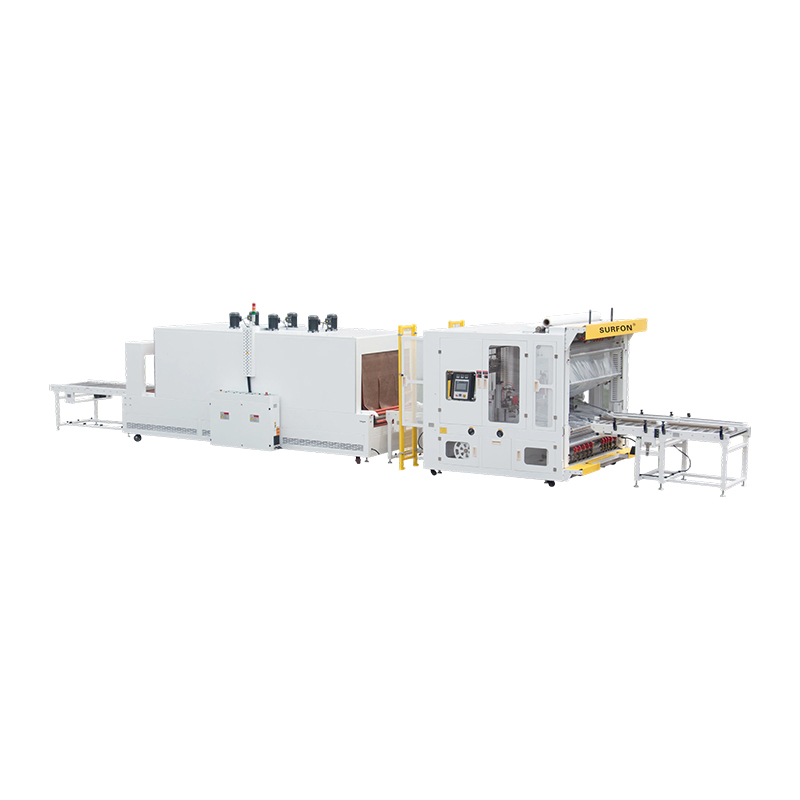
Once the film is selected, the equipment must match the production environment. Semi-automatic sealers suit small batches and frequently changing product sizes. Fully automatic L-bar sealers and side sealers deliver consistent sealing at high speed. For heavy or oversized products, a dedicated PE-film shrink-wrapping machine provides the extra tunnel capacity and film strength needed to form a tight, stable package.
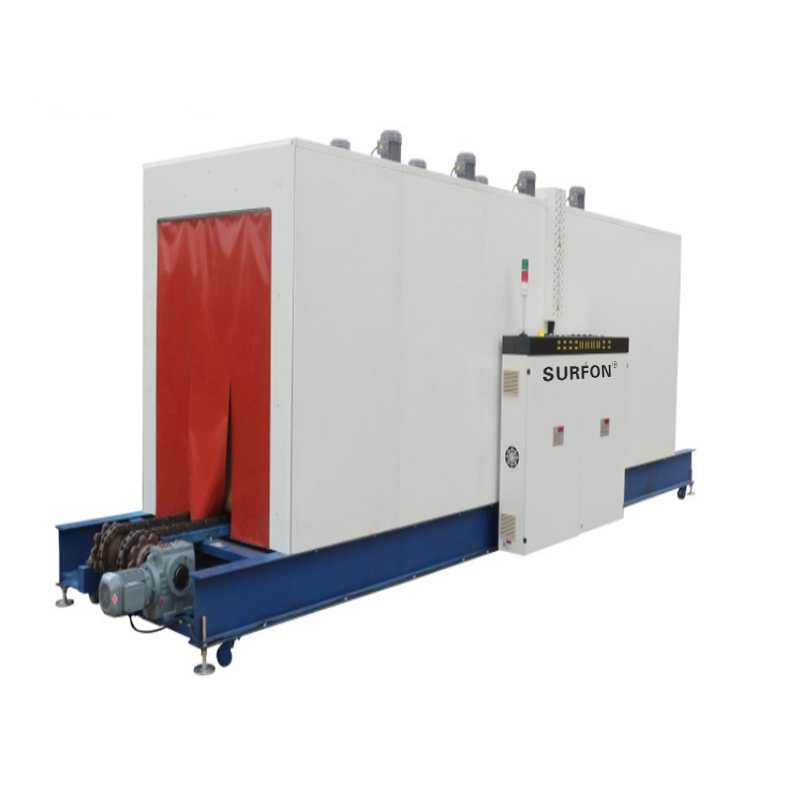
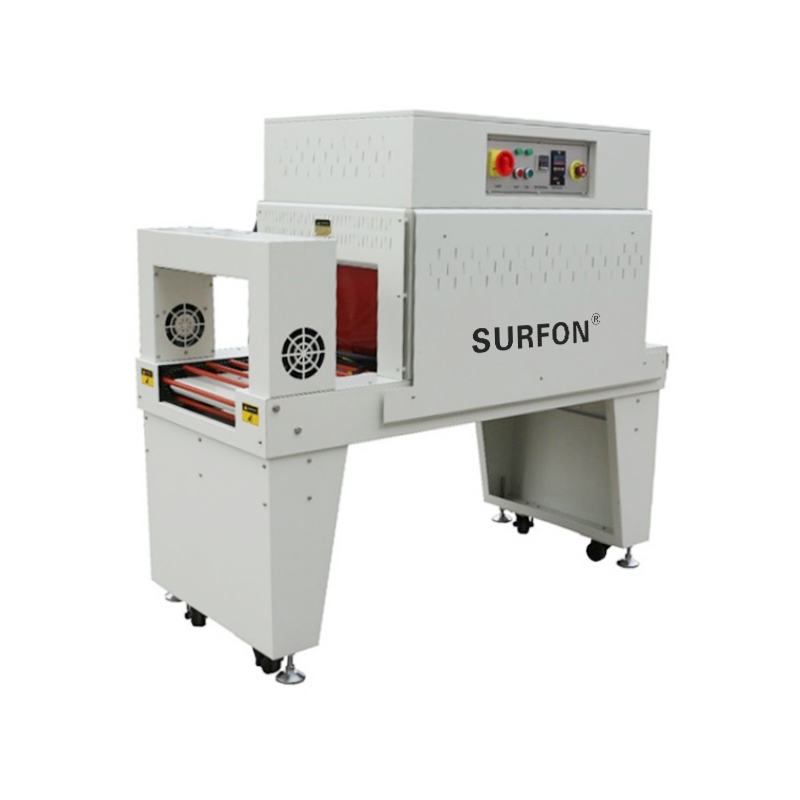 Energy-Efficient Short-Cavity Shrink Tunnel SF-5030EWith dual circulation fans and a short cavity, this compact shrink tunnel reduces energy use while handling thin, PVC, and POF films. Its lightweight design suits small-batch lines and constrained workshop spaces.View Product →
Integrated lines take this one step further by combining sealing, shrinking, and sleeve labeling into a single automated process, which is especially valuable in high-volume industries such as food and beverage and e-commerce warehousing. Whatever the product, the goal is the same: a clean, tight, professional package that protects the item and presents it well.
The bottom line
So how does shrink plastic work? It works because polymer molecules have a memory. Manufacturers stretch a heated plastic sheet, cool it to lock the stretched structure in place, and then use heat to release that tension on demand. The film contracts, thickens, and conforms tightly to whatever it surrounds.
That simple mechanism drives everything from a hand-colored craft charm baked in a kitchen oven to a fully automatic packaging line producing thousands of shrink-wrapped items every hour. Once you understand the science, you can control it, whether you are selecting a film for a new product or planning a complete shrink-wrapping setup for your factory.



Copyright @ Shanghai KUKO Packing Machinery Co., Ltd. All rights reserved
