


 中文简体
 Español

 2026.10.29
How Much Does a Sealing Machine Cost? A Complete Pricing Guide for Your Business
Content
- 1 Why Sealing Machine Prices Vary So Widely
- 2 Key Factors That Determine the Price of a Sealing Machine
- 3 What Else Should You Budget For?
- 4 How to Choose a Sealing Machine That’s Worth the Investment
- 5 Our Experience at Shanghai KUKO Packing Machinery
- 6 Getting an Accurate Quote: What to Prepare
- 7 Final Thoughts: Getting the Right Sealing Machine for the Right Price
If you are exploring automated packaging options, one of the first questions that comes up is how much does a sealing machine cost. The honest answer is that it depends. A sealing machine can be a simple film sealer for a small workshop or a high-speed automatic sealing and shrinking line for a large distribution center. In this guide, we walk you through the typical price ranges, the factors that drive costs, and the hidden expenses that often go unnoticed. With over two decades in the shrink packaging industry, we want to help you make a confident investment decision.
Why Sealing Machine Prices Vary So Widely
In the world of heat shrink packaging, a “sealing machine” usually refers to the equipment that seals a film around a product before it passes through a shrink tunnel. These machines range from semi-automatic L-bar sealers to fully automatic side sealers and sleeve label applicators. Each type solves a different production challenge, and that is reflected in the price.
Here is a general overview of what you can expect to pay:
| Machine type | Automation level | Typical price range |
|---|---|---|
| Semi-automatic L-bar sealer | Semi-auto | $2,500 – $6,000 |
| Fully automatic L-bar sealer | Auto | $8,000 – $18,000 |
| Automatic side sealer (corner sealer) | Auto | $15,000 – $35,000 |
| Sleeve sealing and shrink wrapping machine | Auto | $20,000 – $50,000+ |
| High-speed integrated packaging line | Full line | $60,000 – $150,000+ |
These numbers are not fixed quotes. They simply reflect the general market landscape we have seen across hundreds of customer projects. The exact price for your application depends on several variables, which we unpack in the next section.
For a typical single-product line, a fully automatic L-bar sealer is often the sweet spot between capacity and budget. It seals all four sides of a carton or tray with minimal operator involvement.
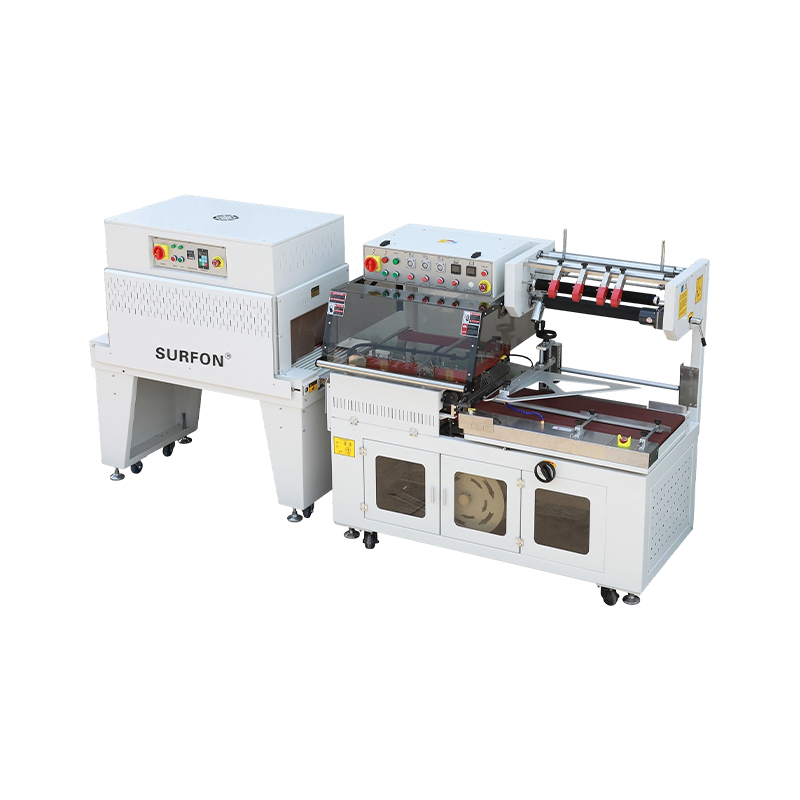 Fully Automatic L-Bar Sealer with Shrink Tunnel for Small BoxesThis integrated machine seals and shrinks small standard boxes efficiently, making it a practical choice for medium-volume lines seeking reliable four-side sealing with minimal labor.View Product →
Key Factors That Determine the Price of a Sealing Machine
When you compare sealing machine prices, look beyond the base sticker. The following factors have the largest impact on the final investment:
- Automation level. A semi-automatic machine requires an operator to place the product and pull the film. A fully automatic machine integrates with your conveyor and production line, cutting labor costs but adding significant complexity and cost.
- Sealing and cutting method. L-bar sealers are cost-effective for simple rectangular products. Side sealers and corner sealers handle wider or taller products at higher speeds, and that capability increases the price.
- Production speed. A machine rated for 30 packages per minute costs less than one rated for 80 packages per minute. Speed requires stronger frames, more precise servo drives, and better control systems.
- Film compatibility. Machines that run only POF film are generally less expensive than those engineered for PE film, PVC, or PET, because the heating and sealing systems must be tuned to different material properties.
- Product size and configuration. Adjustable width, height, and custom infeed systems add engineering time. If your products vary widely in size, you need a more flexible machine, which costs more.
- Manufacturing quality and certifications. Machines built with stainless steel frames, CE-certified electrical components, and 24/7 rated drives carry a higher upfront price but reduce downtime and maintenance costs.
If your products are wider or need side sealing for stability, an automatic corner sealer may be a better fit than an L-bar unit. This type of machine seals film from the side and is especially useful for oversized items.
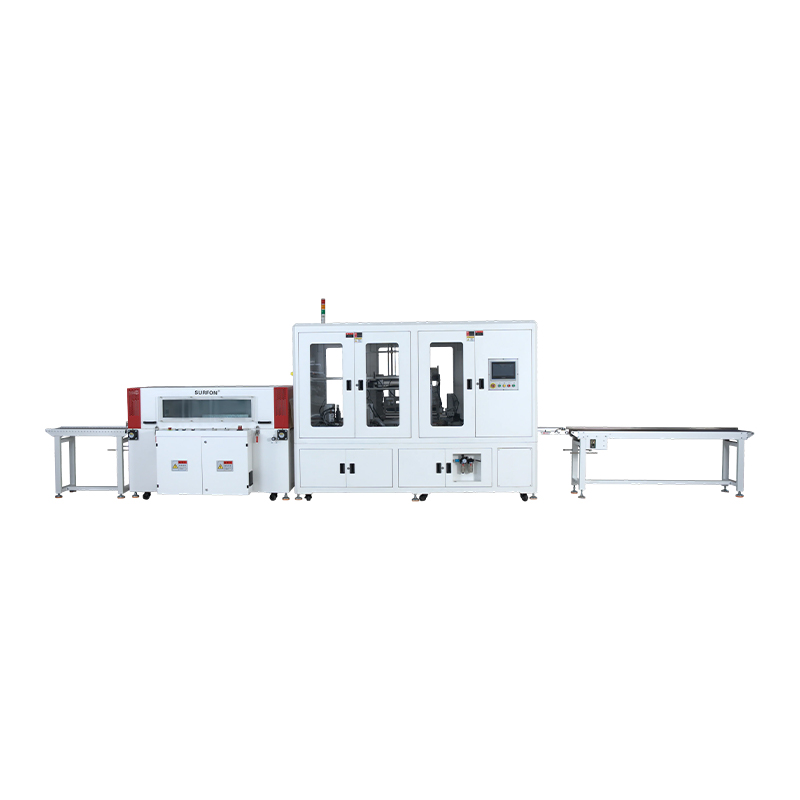 Automatic Corner Sealer and Shrink Tunnel for Oversized ItemsIdeal for wider products needing side sealing, this unit combines corner sealing and shrinking to deliver smooth, wrinkle-free packaging while supporting automated changeovers and high-speed output.View Product →
What Else Should You Budget For?
The purchase price is only one part of the total cost of ownership. When planning your budget, include these items:
- Shrink tunnel. A sealing machine is usually paired with a shrink tunnel that heats the film to conform tightly to the product. Some packages include the tunnel; others quote it separately. Always confirm the scope of supply.
- Installation and training. Automatic machines require proper setup, commissioning, and operator training. A reputable supplier will include this in the proposal, but clarify it before signing.
- Tooling and change parts. If you run multiple product sizes, you may need spare sealing wires, Teflon covers, and change parts for the film carriage.
- Energy consumption. Heat shrink tunnels consume electricity continuously. Choose a machine with insulated tunnels and efficient heating elements to control long-term costs.
- Maintenance and spare parts. Sealing wires and heater elements are consumables. Budget for routine replacement and keep critical spares on hand to avoid production stoppages.
- Film cost. The sealing machine determines how efficiently you use film. Poor sealing and cutting leads to film waste, which silently raises your packaging cost per unit.
When you evaluate a sealing machine from a total-cost perspective, the cheapest option is rarely the most economical in the long run.
How to Choose a Sealing Machine That’s Worth the Investment
Start with your production reality, not with a product brochure. Ask these questions before requesting quotes:
- What is your current and target output per minute?
- What is the range of product sizes and shapes?
- Which film types do you prefer, and are you open to switching for cost savings?
- Do you have existing conveyors or upstream equipment to integrate with?
- How many changeovers per shift do you need?
Define Your Current and Target Speed
Speed is often the first trigger for automation. If you are currently running at 10 packages per minute and need to reach 30, a semi-automatic L-bar sealer might handle it with one operator. Above that, a fully automatic side sealer or a high-speed L-bar sealer is usually justified.
Think About Film Types and Waste
Film is a recurring cost. A machine with precise temperature control and sharp sealing wires reduces film waste and rework. It also gives you more flexibility to use thinner, lower-cost films without sacrificing seal quality.
Calculate Total Cost of Ownership
Use a simple payback model: machine price plus installation, consumables, and energy, divided by monthly labor savings and reduced film waste. For many of our customers, the payback period is between 12 and 24 months.
Our Experience at Shanghai KUKO Packing Machinery
Since 2004, we have focused on designing and manufacturing heat shrink packaging equipment. With two production bases and more than 200 machine models, we have seen how sealing machine requirements evolve across industries. E-commerce warehouses need fast, reliable L-bar and side sealers. Food and beverage producers often need tamper-evident sleeve sealing. Electronics manufacturers need precision cutting without damaging sensitive components.
One example is the food and beverage industry, where our sleeve sealing and shrink wrapping machines help create clean, secure packaging for bottles and cans. Another is high-mix production lines, where a fully automatic L-bar sealer provides the flexibility companies need without requiring a full custom line.
Our sleeve sealing and shrink wrapping machines are widely used in beverage and consumer goods lines, where tamper-evident bands and full-body labels add value and safety.
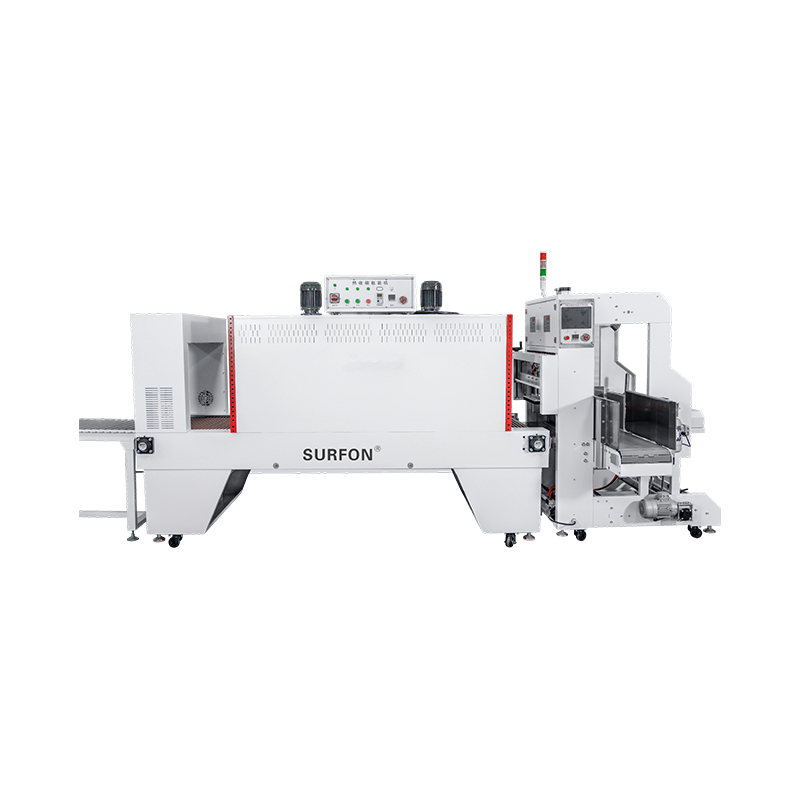 Integral Sleeve Sealer and Shrink Tunnel for Beverage LinesThis medium-speed system offers dual-mode packaging for single items or tray sets, with precise film feeding and stable sealing—suitable for food, beverage, and gift applications.View Product →
If you are not sure which configuration is right for you, we encourage you to review our guide on whether fully automatic shrink wrapping equipment suits your production profile. Then talk to our engineers about your actual product samples and speed targets.
Getting an Accurate Quote: What to Prepare
To get a precise price, you need to give the equipment supplier a complete picture. Here is a simple checklist:
- Product dimensions and weight
- Packaging speed required per minute
- Current and desired film type (POF, PE, PVC, PET)
- Layout constraints and available floor space
- Number of operators available
- Any upstream or downstream equipment to connect
With this information, a manufacturer can recommend a suitable machine, calculate throughput, and give a proposal that includes a shrink tunnel, installation, and training. A customized quote is always more reliable than a general price list.
Final Thoughts: Getting the Right Sealing Machine for the Right Price
So, how much does a sealing machine cost? The short answer is that a reliable, well-matched machine is a significant but worthwhile investment. A semi-automatic sealer can be a low-risk entry point, while a fully automatic integrated system pays off when labor costs and production volumes are high.
The best way to get an accurate price is to work with a manufacturer who understands your products and can show you the real trade-offs. Share your product dimensions, target speed, and film preferences, and ask for a detailed proposal that includes the sealing machine, shrink tunnel, installation, and training. That clarity will help you avoid surprises and measure the return on your investment.
At Shanghai KUKO Packing Machinery, we have spent the past two decades helping companies answer this exact question. Whatever your packaging challenge, we can help you find a sealing machine that balances capability, reliability, and cost.
-
 How Much Does Shrink Wrap Cost? The Complete Pricing Guide for Manufacturers
-
How Packing Machines Work: A Complete Guide to Shrink Wrapping Process
-
How Many Feet of Stretch Wrap Per Pallet and Which Machine Is Right for Your Output
-
How Is Shrink Wrap Made? A Complete Guide to Shrink Film Manufacturing


Copyright @ Shanghai KUKO Packing Machinery Co., Ltd. All rights reserved
