


 中文简体
 Español

 2026.11.02
How to Set Up a Sealing Machine: A Complete Installation Guide for Operators
Content
- 1 Before You Begin: Understand Your Sealing Machine
- 2 Unboxing, Inspection, and Positioning
- 3 Electrical Connections and Safety Verification
- 4 Loading and Aligning the Sealing Film
- 5 Setting Sealing Temperature, Time, and Pressure
- 6 Running a Trial Seal and Fine-Tuning
- 7 Common Setup Mistakes and Troubleshooting
- 8 First-Day Maintenance Checks
Every packaging line begins with a machine that was installed correctly. A sealing machine, whether it is a semiautomatic L-bar sealer or a fully automatic side sealer, performs best when it is set up methodically. Take your time, don't skip the small checks, and you will avoid most of the setup-related issues that show up during the first production shift.
Before You Begin: Understand Your Sealing Machine
In the packaging industry, the term sealing machine is used broadly. It can refer to a cup sealer, a continuous band sealer, or an industrial L-bar sealer used in shrink wrapping. At Shanghai KUKO, we design heat sealing and shrink wrapping systems for a wide range of products, from individual items in the food and beverage industry to high-volume batches in e-commerce warehousing. No matter which setting you work in, the basic setup principle remains the same: ensure the machine is level, clean, aligned, and calibrated for the film you are using.
Start by identifying the main components on your machine: the sealing blade, PTFE cloth or tape, silicone pad, film roll holder, conveyor feed, and control box. Read the operator manual that came with your equipment, and confirm that all parts are present before you begin. Understanding where each component belongs makes the setup process much easier, and it also helps you notice when something has shifted or worn out later on.
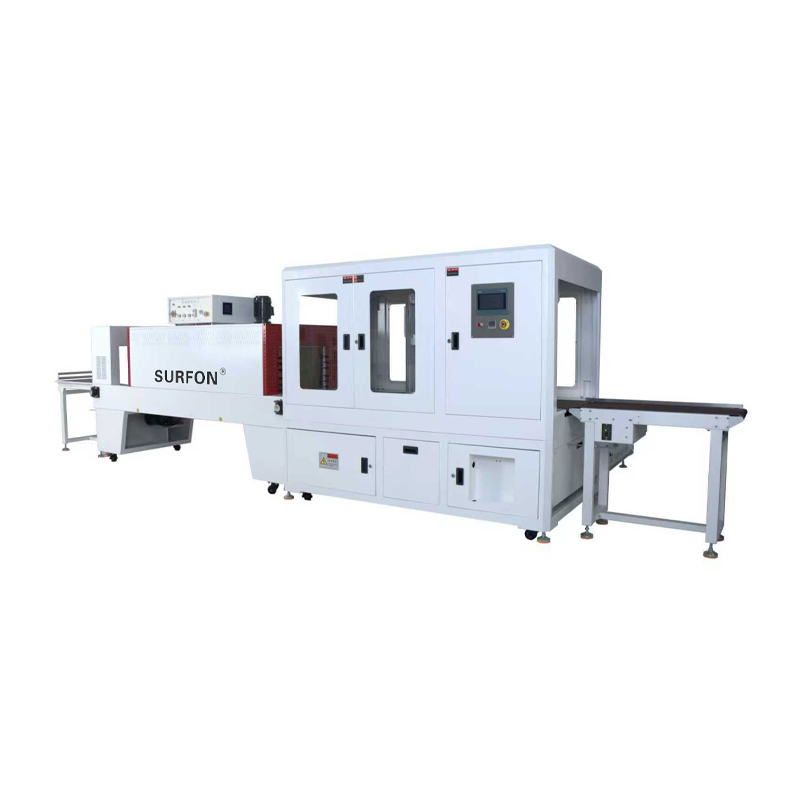
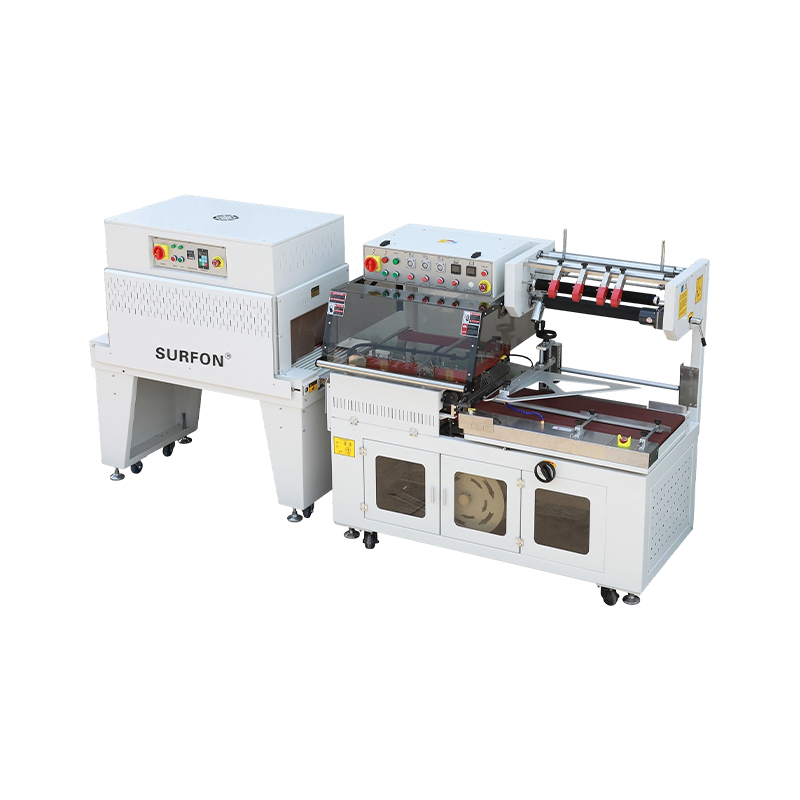 Integrated L-Bar Sealer and Shrink Tunnel for Automated PackagingThis fully automatic machine combines L-bar sealing with a shrink tunnel for continuous packaging. Ideal for small boxes and batches, it ensures smooth edges and protection.View Product →
Unboxing, Inspection, and Positioning
When the machine arrives, inspect the crate and outer packaging for visible damage before you even lift it off the pallet. Remove the packing materials carefully, and keep the manual, spare parts kit, and warranty documents in a safe place.
- Check the machine body for dents, scratches, or any sign of impact during transport.
- Remove any plastic ties, straps, or protective covers that are holding the moving parts in place.
- Inspect the sealing bar and the silicone pad for completeness and correct installation.
- Confirm that the conveyor belt is not skewed and that the side guides can move freely.
- Place the machine in its intended working area, leaving at least 50 cm of clearance around the rear and sides for film roll changes and ventilation.
Leveling is one of the most underestimated steps. Sealing machines need to sit evenly; otherwise the film path becomes misaligned, the sealing bar presses unevenly, and the conveyor can vibrate. Use a spirit level on the conveyor surface, and adjust the machine feet until the bubble is centered. Tighten the locking nuts after leveling.
Electrical Connections and Safety Verification
Before connecting power, check the voltage rating printed on the machine nameplate. For industrial sealing machines, a dedicated grounded power outlet is strongly recommended. Avoid sharing the same circuit with motors or heaters that cause voltage fluctuations.
- Make sure the power cord is not pinched between machine parts or running under the conveyor.
- Confirm that the emergency stop button is accessible and works.
- Check that all guards and safety covers are properly positioned.
- Turn the main switch on without starting the heating cycle, and look at the control panel display for any error codes.
If the machine is equipped with an air pressure connection, verify the supplied air pressure matches the specification and that the air filter is clean. For air-operated sealing machines, a stable pressure is just as important as stable voltage.
Loading and Aligning the Sealing Film
The film path is where many setup problems begin. A misaligned film roll causes uneven seals, wrinkled shrink film, and jams. The process is similar for most L-bar sealers and side sealers.
- Identify the correct film width for your product pusher plate or side seal mechanism.
- Slide the film roll onto the holder, making sure it is centered and the core fits snugly.
- Unwind around 30 cm of film and guide it through the rollers as shown in the manual.
- Align the film edges so they are parallel to the conveyor direction.
- Adjust the side guides so the film slides through with gentle contact, not tight friction.
- Tighten the brake or tension control just enough to keep the film flat without stretching it.
For machines with two film rolls, check that both rolls are aligned to each other. If the upper and lower films are not matching, you will see misaligned seal lines. A quick visual check before starting the heat cycle is always worth the ten seconds it takes.
Setting Sealing Temperature, Time, and Pressure
Sealing quality depends on the balance between temperature, seal time, and pressure. The right values vary by film type and thickness. POF film, for example, has a lower sealing temperature than PE film. The table below gives safe starting points for typical industrial shrink wrapping film.
| Parameter | Typical Starting Point | Adjustment Note |
|---|---|---|
| Sealing temperature | 140–160°C for POF film; 160–220°C for PE film | Increase in small steps and test each time |
| Seal time | 0.5–1.5 seconds for L-bar sealers | Longer time compensates for lower temperature |
| Pressure | Set spring pressure so the seal bar contacts evenly | Too much pressure can cut the film; too little gives a weak seal |
| Conveyor speed | Adjust to the shrink tunnel cycle | Speed should match the heat residence time |
Heat up the machine for about ten minutes before the first trial. During this warm-up period, the temperature sensor stabilizes and the sealing bar reaches a consistent temperature across its entire length.
Running a Trial Seal and Fine-Tuning
Now comes the moment of truth. Use a sample product that represents the largest size you plan to run. Place it inside the film, close the sealing bar, and let the machine complete one cycle.
- Check the seal line for continuity and evenness from one edge to the other.
- Look for signs of over-sealing, such as a hard ridge or holes near the seal.
- Look for under-sealing, where the film layers separate when you pull gently.
- Measure the seal width and compare it with the machine specification.
- Run the sealed sample through the shrink tunnel and inspect the final appearance.
If the seal is weak, increase the temperature by 5°C or extend the seal time slightly. If the film sticks to the blade or burns, lower the temperature. Write down the final settings and keep a small settings chart near the control panel so every shift starts with the same reference.
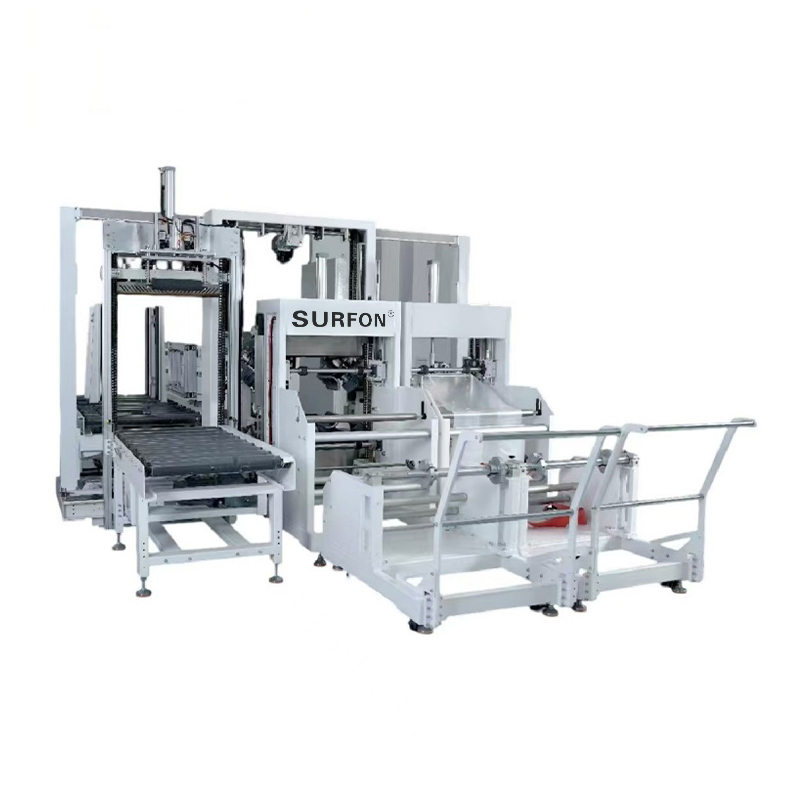
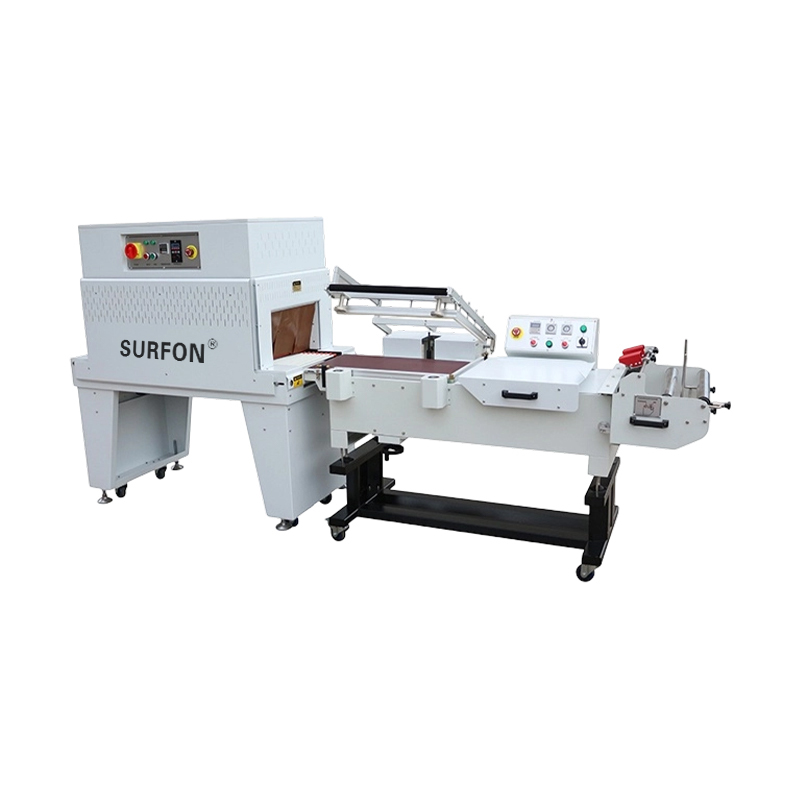 Semi-Automatic L-Bar Sealer with Shrink Tunnel for Flexible ProductionOffers manual feeding with automatic sealing and shrinking, suitable for small to medium batches. Features precise temperature control and Teflon-coated blades for reliable sealing.View Product →
Common Setup Mistakes and Troubleshooting
Many first-time users blame the machine when the real issue is a small setup detail that was overlooked. Here is a list of frequent problems and their likely causes during initial setup.
- Film jams at the sealing bar. The film tension is too high, or the film path is not correctly threaded.
- Uneven seal line. The machine is not level, or the silicone pad is worn on one side.
- Seal is sticky to the blade. The PTFE tape on the heating bar is damaged or the temperature is too high.
- Film slips off the conveyor. The side guides are too far apart or the conveyor belt is not centered.
- Shrink tunnel leaves wrinkles. The seal is not strong enough, or conveyor speed and tunnel temperature are not matched.
Take a systematic approach: change one variable at a time, and record the result. Avoid the temptation to adjust temperature and pressure at the same time, because then you won't know which one actually solved the problem.
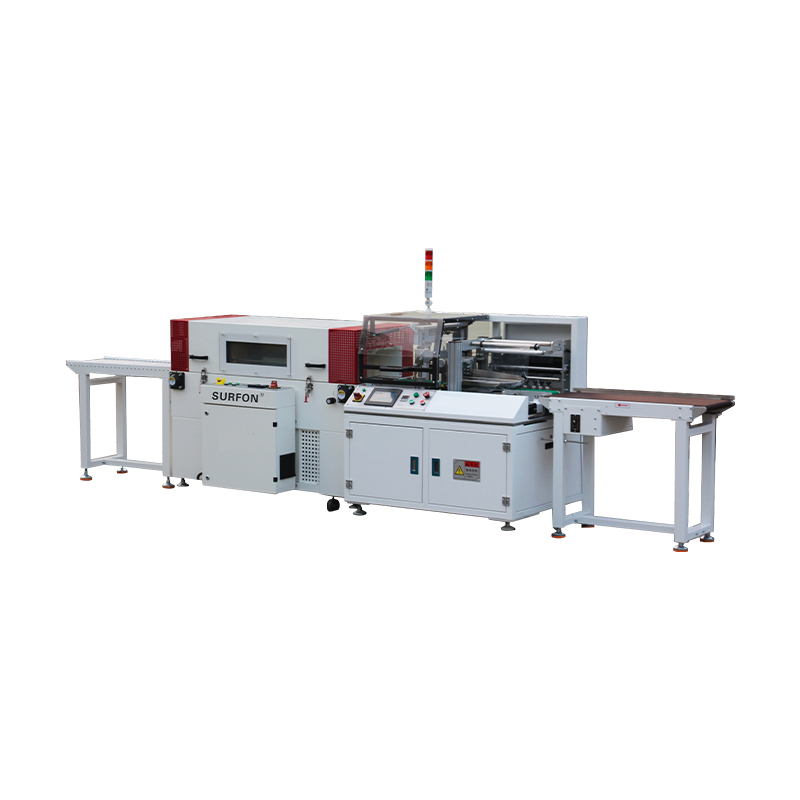
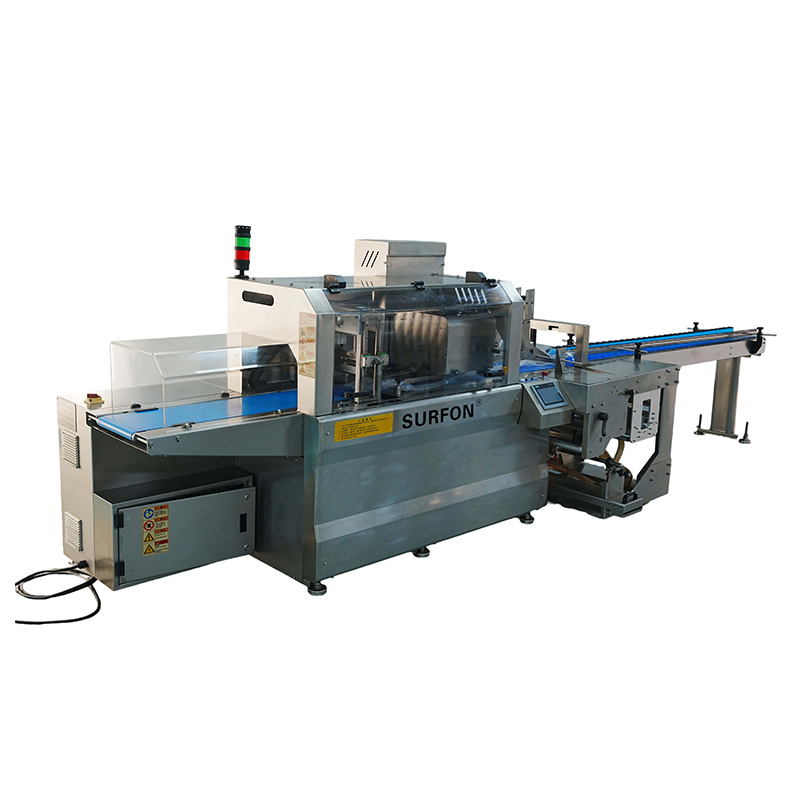
 Fully Automatic Corner Sealer and Shrink Tunnel with Multi-Servo ControlIntegrates four-corner sealing and shrinking for efficient packaging of boxed goods. Equipped with servo motors and PLC logic, it handles small to medium products precisely.View Product →
First-Day Maintenance Checks
After the machine has been running for an hour, stop it and inspect the areas that tend to warm up during operation. Touch the outside of the control box, check the cooling fan, and look underneath the conveyor for any debris. Recheck the film alignment, because the roll can settle after a short period of oscillation.
Plan a simple maintenance rhythm from day one: clean the PTFE tape and silicone pad at the end of every shift, check the film path for fragments, and verify the temperature reading against the actual seal quality. A setup that feels straightforward today becomes an operator habit tomorrow, and that habit is what keeps your packaging line running smoothly for years.



Copyright @ Shanghai KUKO Packing Machinery Co., Ltd. All rights reserved
