


 中文简体
 Español

 2026.11.05
How to Ensure the Longevity of Packaging Equipment: A Maintenance Guide
Content
- 1 Start With a Daily Inspection Routine
- 2 Keep It Clean: The Foundation of Longevity
- 3 Lubricate on a Schedule That Makes Sense
- 4 Don't Wait for Wearing Parts to Fail
- 5 Give Operators the Tools and Training They Deserve
- 6 Track Performance, Log Everything, and Act Early
- 7 Choose Equipment Built for the Long Run
Ensuring the longevity of packaging equipment is not a one-time project or a quarterly event. It is a daily practice, built into the rhythm of every shift. Whether you run a shrink-wrapping line for beverages, a sleeve-labeling system for personal care products, or a pallet-level stretch-hood machine for building materials, the useful life of that equipment depends far less on luck than on the habits you build around it. Over two decades of building and servicing packaging machinery at Shanghai KUKO Packing Machinery, we have watched some machines run flawlessly for fifteen years while others struggle after three. The difference is almost never the brand. It is the discipline of the people who operate and maintain them.
Start With a Daily Inspection Routine
The shortest route to a long equipment life is a five-minute walk-around at the beginning of each shift. You do not need a checklist the size of a novel; you need consistency. Look for the things that change slowly: film residue building up on sealing bars, a chain that has developed more slack than it had yesterday, a sensor bracket that has shifted a few millimeters. Listen, too. A change in pitch from the film feed or the sealing carriage is often the first warning that a bearing is drying out or a belt is slipping.
- Check the film path and sealing area for debris and film build-up.
- Inspect belts, chains, and gearboxes for abnormal wear or slack.
- Verify air pressure and filter regulators on pneumatic systems.
- Confirm that safety guards and interlock switches are present and working.
Write down what you see. A simple shift log takes two minutes and turns vague impressions into a comparison you can review at the end of the week.
Keep It Clean: The Foundation of Longevity
More packaging machines are worn out by dirt than by actual mechanical failure. Film dust, product particles, and sticky residue find their way into bearings, sensors, and seal mechanisms, where they act as grinding paste. In food and beverage plants, hygiene is also a central concern, since residue can create contamination risks on product contact surfaces; this is why we design our food and beverage packaging lines for easy access to every area that touches a product.
- Wipe down product contact areas at the end of every shift.
- Use compressed air or a soft brush to clear film dust from the seal area and sensor windows; never wipe sensors with a dry cloth.
- Check and empty scrap-removal bins before they overflow.
- Schedule a deeper clean of the shrink tunnel and its fans weekly.
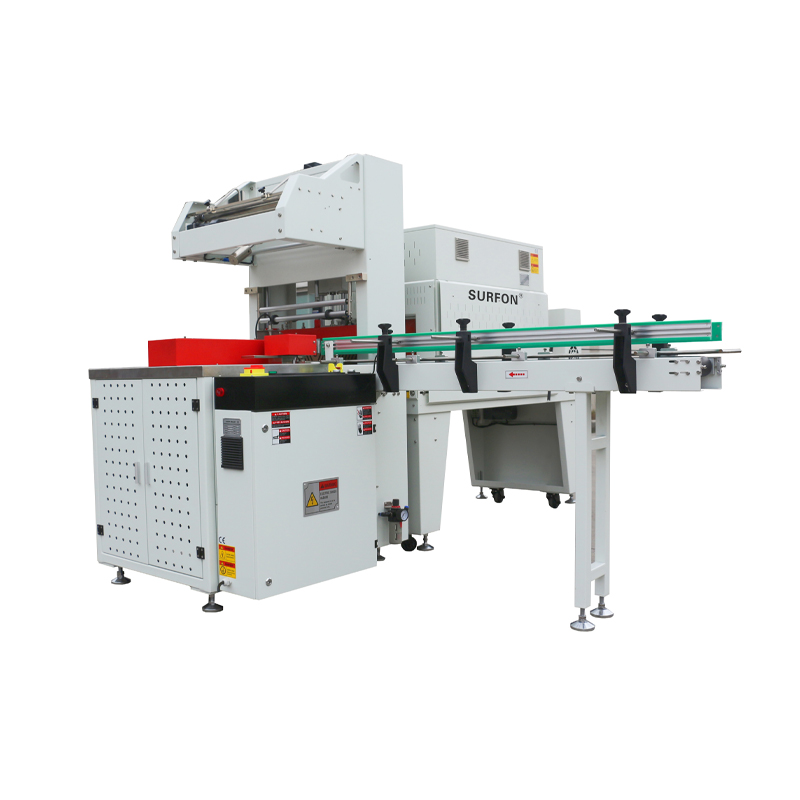
For sleeve-labeling machines, keeping the label path and shrink tunnel clear of film scraps is especially important. Our integral-type sleeve sealer and shrink tunnel is built with removable covers and accessible guide rails, so a full clean-down takes minutes rather than hours.
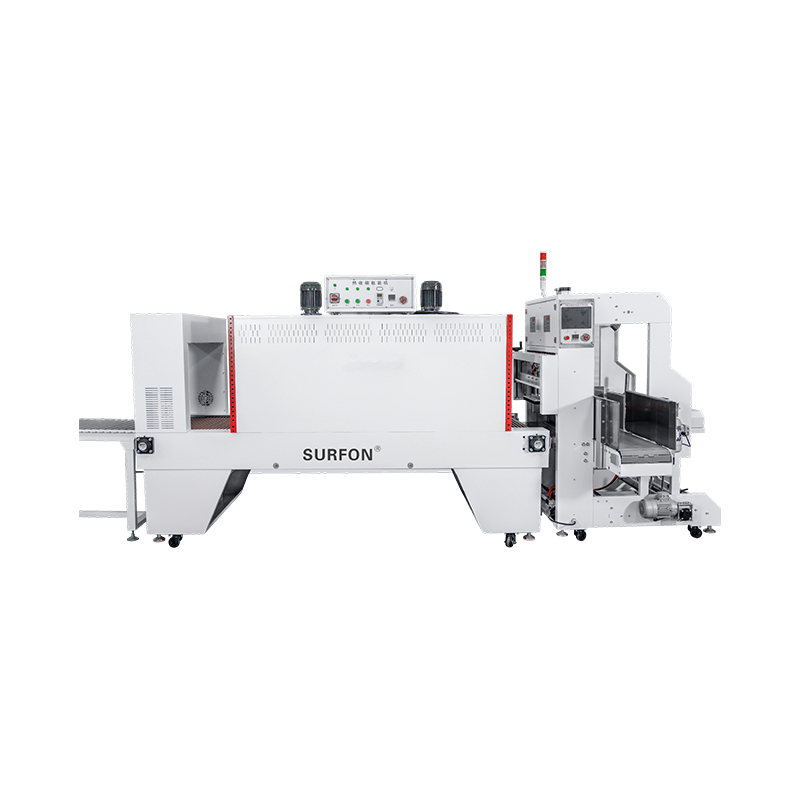 Integral Sleeve Sealer & Shrink Tunnel with Easy-Access CleaningThis integrated system features removable covers and accessible guide rails, making clean-downs quick and inspection for leaks or damage straightforward. Ideal for sleeve-labeling lines.View Product →
A clean machine is also easier to inspect. When oil leaks, loose fasteners, or hairline cracks are visible, they get caught early. When they are hidden under grime, they become expensive surprises.
Lubricate on a Schedule That Makes Sense
Lubrication is the lifeblood of any machine with moving parts, but it is also easy to get wrong. Under-lubricating leads to premature wear; over-lubricating attracts dust and can do just as much damage. The goal is a predictable, documented schedule based on the manufacturer's recommendations and your actual operating hours.
Here is a simple reference for a typical shrink-wrapping line. Adapt it to your equipment and operating conditions, and always use the lubricant grade specified in the machine manual.
| Component | Interval | Notes |
|---|---|---|
| Sealing-bar mechanism | Weekly | Light machine oil; wipe off old grease first |
| Conveyor chain | Every 200 hours | Use food-grade oil where products are exposed |
| Side-seal bearing blocks | Monthly | High-temperature grease; check for play |
| Gearbox | Every 6 months | Check oil level; top up to specification |
| Pneumatic cylinders | Quarterly | Light oil mist; inspect the rod for scoring |
One more thing about lubrication: more is not better. A thin, even film is what protects a sliding surface. A thick buildup of grease eventually hardens into a dam that blocks new lubricant from reaching the part it was meant to protect.
Don't Wait for Wearing Parts to Fail
Every packaging machine has a list of components designed to wear out: sealing wires, Teflon-coated tape, shrink-tunnel heating elements, film-seal blades, belts, and sensor tips. These parts are consumables, not failures. Machines that run for decades are the ones whose owners replace them on a schedule, not on the day they break.
- Keep a spare-parts kit for the most common consumables.
- Replace sealing wires and tape during scheduled downtime, not during a production rush.
- Inspect heating elements and thermocouples regularly; a failing heater wastes energy and produces weak seals.
- Use genuine parts; cheap substitutes often fail faster and can damage the components around them.
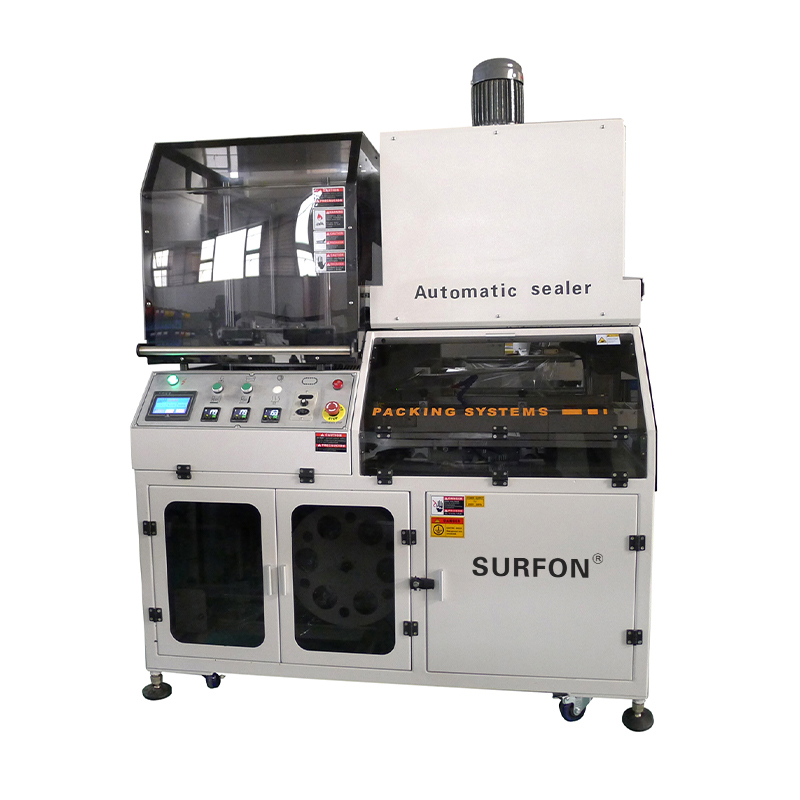
Maintainability matters here. The sealing wires on our fully automatic L-bar sealer, for instance, are designed for quick access, so an operator can replace one in minutes during a planned pause. That kind of thoughtful design is what keeps a machine productive for years.
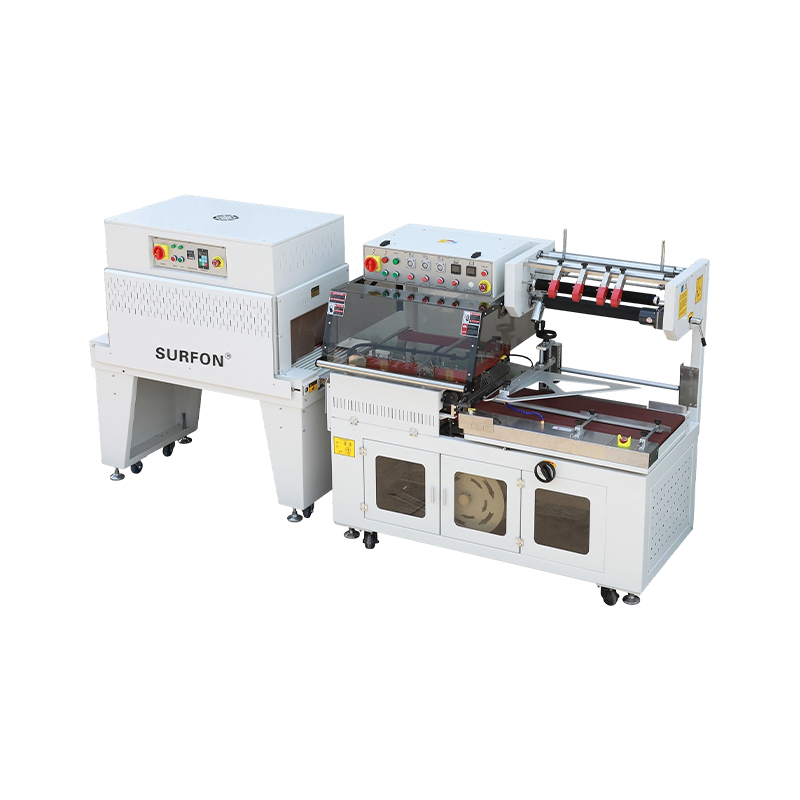 Fully-Auto L-Bar Sealer with Quick-Change Sealing WiresDesigned for maintainability, this sealer lets operators swap sealing wires in minutes, cutting downtime and preventing mid-run failures. Ideal for small-box lines.View Product →
Replacing a sealing wire that costs a few dollars during a planned stop is a far better conversation than explaining to a customer why their shipment is late because the same wire snapped at 2 a.m.
Give Operators the Tools and Training They Deserve
Your operators are the first line of defense for equipment longevity. They are the ones who hear the first unusual sound and see the first misaligned film roll. But they cannot act on what they notice unless they have been trained to understand the machine properly. Training also prevents accidental damage, particularly during changeovers, when settings are adjusted, and sometimes over-adjusted, under time pressure.
A solid training program should cover:
- Correct start-up and shutdown sequences.
- Film loading and tracking adjustments.
- Temperature, speed, and sealing-pressure settings for different materials.
- Changeover procedures that reduce the risk of forcing parts into misalignment.
Give operators the authority to stop the line when something is wrong. A two-minute stop to investigate a strange noise can save hours of downtime and a major repair. That mindset costs nothing, and it pays for itself many times over.
Track Performance, Log Everything, and Act Early
Longevity is easier to manage when you measure it. Simple records of output, film consumption, seal quality, and maintenance actions tell a clear story about equipment health. If the temperature in the shrink tunnel drifts upward to compensate for a gradual drop in film quality, or the sealing pressure climbs because a spring is losing tension, those trends appear in the data long before the machine fails.
Modern machines, including our fully automatic shrink-wrapping and sleeve-labeling series, can integrate with production management systems to make this data collection automatic. You can learn more about whether fully automatic shrink-wrapping equipment is the right fit for your production environment.
Whatever your current setup, keep a simple log: date, shift, operator, anything unusual noticed, and actions taken. After a few weeks, patterns emerge, and those patterns become a preventive maintenance plan that is genuinely tailored to your equipment.
Choose Equipment Built for the Long Run
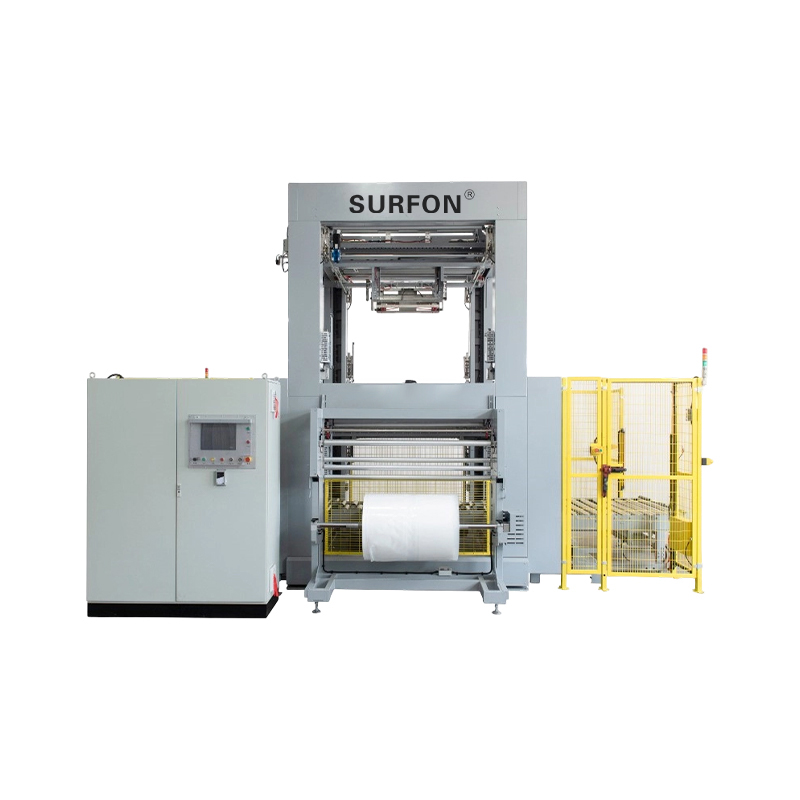
The best maintenance plan in the world cannot fully compensate for equipment that was poorly designed or cheaply built. Longevity starts at the drawing board. At KUKO, we design our machines for continuous, round-the-clock operation and build them with processes refined over more than twenty years in the packaging industry. Precision laser cutting and servo-driven folding give our frames and sealing systems the accuracy that translates into consistent seals and fewer stress points.
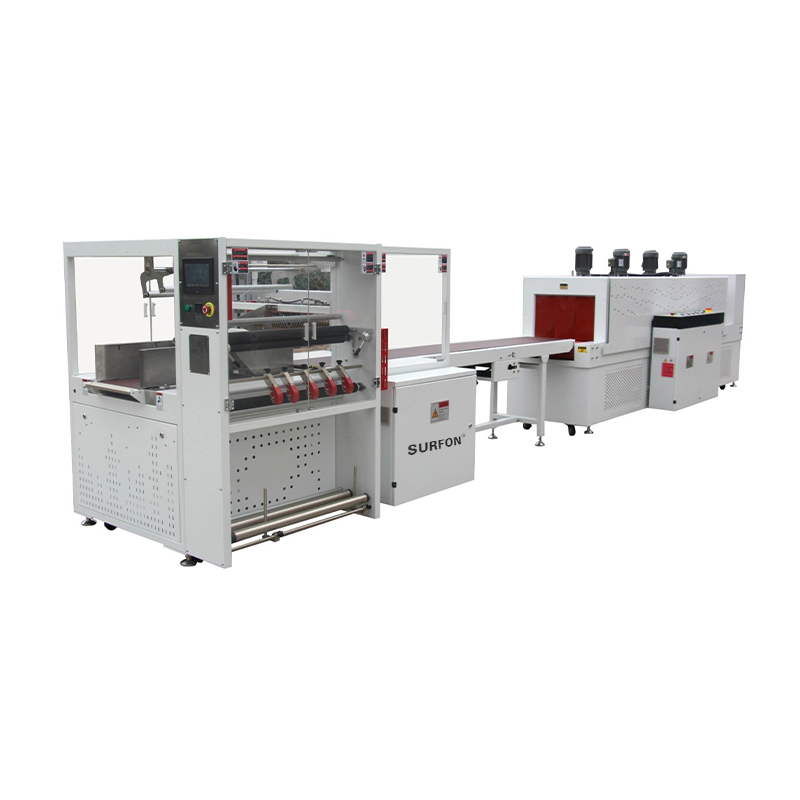
Take our SF4525 POF shrink-wrapping machine, for example. It is built around a robust sealing frame and a dependable film feeding system, which is why it has earned a reputation as a workhorse for production lines that need years of reliable service. Equipment like this rewards good maintenance, and good maintenance extends its life even further.
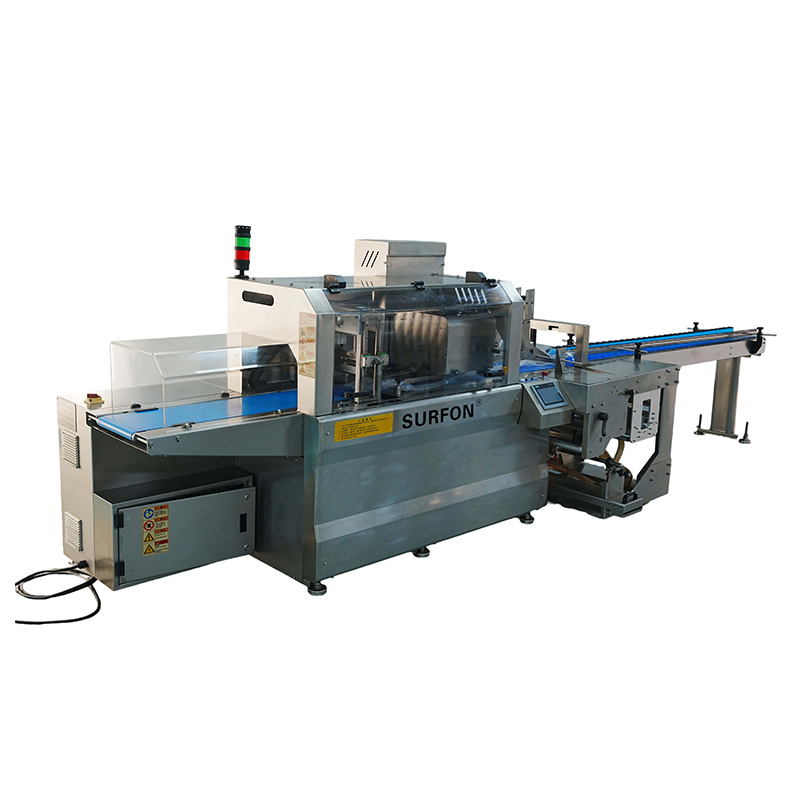
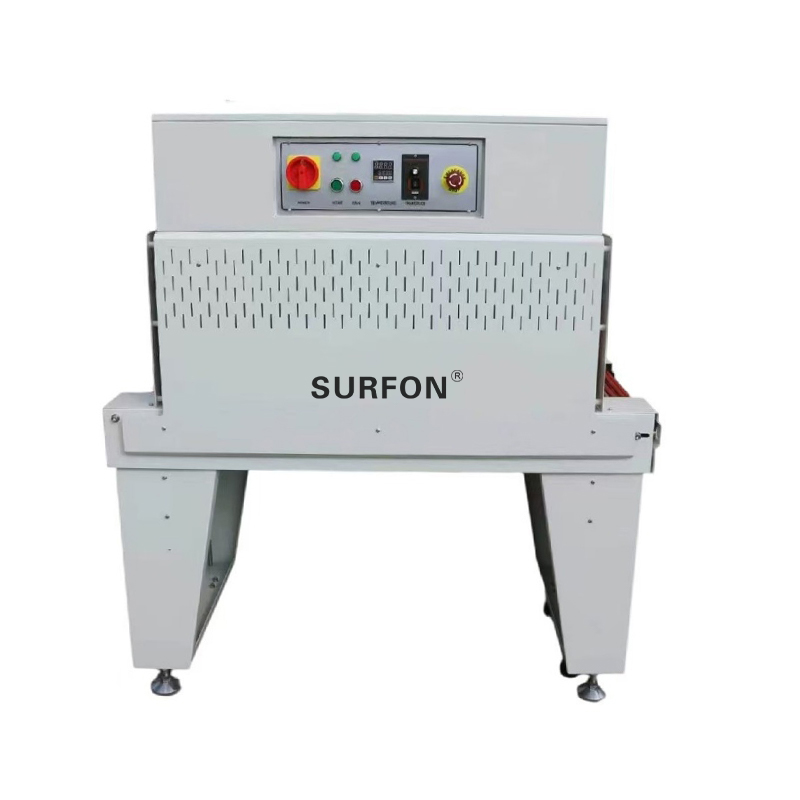 SF-4525 Shrink Tunnel: Dependable Workhorse for Long-Term ServiceBuilt with a robust frame and reliable film feeding, the SF-4525 provides dependable long-term service. Its 304 stainless steel heater and anti-stick rollers enhance durability.View Product →
When you choose a machine that is built to be maintainable, you also choose one whose consumables are accessible, whose settings are repeatable, and whose support network is responsive. That is the difference between a machine that costs you money and a machine that makes you money for fifteen years.



Copyright @ Shanghai KUKO Packing Machinery Co., Ltd. All rights reserved
