


 中文简体
 Español

 2026.11.16
How to Shrink Wrap a Pallet Safely: Film, Wrapping Steps, and Equipment
Content
If you ask five warehouse teams how to shrink wrap a pallet, you will often get five variations of the same answer. That is because the phrase is used for two related jobs: stretch wrapping with an elastic film, and true heat-shrink wrapping with a bag or hood. Both can unitize a load, but they work differently and need different handling. The steps below cover the practical sequence for a stable, tidy pallet, and show where heat, film choice, and equipment change the result.
First, Decide Which Kind of Pallet Wrap You Need
True shrink wrap uses heat to make a loose film bag or hood grip the load. Once cooled, the film forms a tight, sealed skin that can protect against dust and moisture and make tampering easier to spot. Stretch wrap, by contrast, is applied under tension and relies on elasticity, not heat. Many people call this "shrink wrapping a pallet" because it achieves the same visual goal: a stable, covered pallet. If your film is a roll of stretch film and your tool is a hand dispenser, you are stretch wrapping. If you have a bag, hood, or a film that visibly changes when heat is applied, you are heat shrinking.
| Method | How It Works | Best For | Watch Out For |
|---|---|---|---|
| Hand stretch film | Elastic film applied under tension with overlapping passes | Low volume, mixed loads, fast dispatch | Operator consistency; film can loosen if overlap is poor |
| Heat-shrink bag or hood | Bag or hood placed over the pallet and shrunk with controlled heat | Dust and moisture protection, tamper evidence, regular pallet shapes | Heat safety; uneven shrinking; film compatibility |
| Pallet shrink tunnel or turntable wrapper | Pallet moves through controlled heat or is wrapped on a powered turntable | Repeatable finish and higher throughput | Footprint, cycle time, and film specification |
| Cold stretch hooder | Elastic hood stretched over the load without heat | High volume, weather protection, temperature-sensitive goods | Hood fit; load shape must suit the hood |
Before You Start: Load, Film, and Safety Checks
A good pallet wrap starts before the film touches the pallet. Spend two minutes on these checks and you will avoid most loose, wrinkled, or unsafe results.
- Confirm the pallet is sound and the load is vertical. Replace broken boards, remove loose straps, and protect sharp corners before wrapping.
- Check the load height and weight distribution. Keep the center of gravity low; a top-heavy pallet needs extra care and may not be suitable for heat shrinking if the product can soften.
- Match the film to the job. A shrink hood or bag should cover the load and the pallet base with enough skirt to secure; stretch film should be wide enough to overlap the load comfortably.
- Set up a stable work position. Use a braked turntable or a clear floor zone, keep the heat gun cord away from the pallet, and wear gloves when handling hot film.
- Work in a ventilated area and follow the film supplier's heat settings. Never leave a heat source unattended, even for a short break.
How to Shrink Wrap a Pallet by Hand
The sequence below works for both common methods. Where they diverge, the steps say so clearly. Do not apply heat to ordinary stretch film; it is not designed to shrink and can weaken or melt.
- Prepare the pallet and base. Center the load on a sound pallet, check weight distribution, and place it on a stable turntable or marked floor position. Lock the brakes. Sharp corners should be protected before any film goes on.
- Choose and position the film. For a shrink hood or bag, pull it over the top and down to the base. Leave enough skirt to overlap the pallet and first layer; for a gusseted bag, spread the gussets so the film hangs evenly. For stretch film, load the roll on a dispenser and anchor the tail under the first wrap.
- Anchor the base with stretch film. Wrap the bottom two or three layers several times. The base needs more film than the middle because it carries the most movement during handling. Skip this step for a pre-formed shrink hood, and secure the bottom edge after shrinking as the film supplier recommends.
- Work upward. For stretch film, apply a spiral with 50% overlap at the bottom and 10-20% overlap on the body. Keep light tension: the film should grip the load without crushing cartons. For heat shrink, the bag covers the whole load; make sure it is not twisted and that the top corners have enough slack to shrink around the product.
- Cover the top. For stretch film, make one or two passes across the top to tie the load together. For a shrink hood, fold excess film neatly at the top and seal openings with tape if the hood is not closed.
- Apply heat only for heat-shrink film. Use a heat gun or shrink tunnel according to the film supplier's settings. Keep the heat source moving, work in a ventilated area, and watch for holes, scorch marks, or film that turns glossy too quickly. Uneven heat gives a loose skin and weak corners.
- Finish and inspect. Tuck the loose tail, apply a label on the outside, and check the pallet as one unit. If using stretch film only, skip step six and finish after the top pass.
When Hand Wrapping Stops Being Practical
Manual wrapping is a sensible fit for low volumes, mixed pallets, and quick dispatch. It becomes a bottleneck when every pallet needs a similar finish, when throughput climbs, or when workers spend hours bending and reaching. Consistency is the bigger issue: one operator may pull tighter than another, and a tired operator can leave a loose base that fails in transit. In logistics and e-commerce operations, where pallet profiles change all day, the right wrapper should be quick to adjust rather than force every load through the same recipe.
A pallet shrink wrapping machine with a turntable, controlled heat, and repeatable film feed takes much of the quality decision away from the operator's wrists. The goal is not to remove skill; it is to make the good result repeatable.
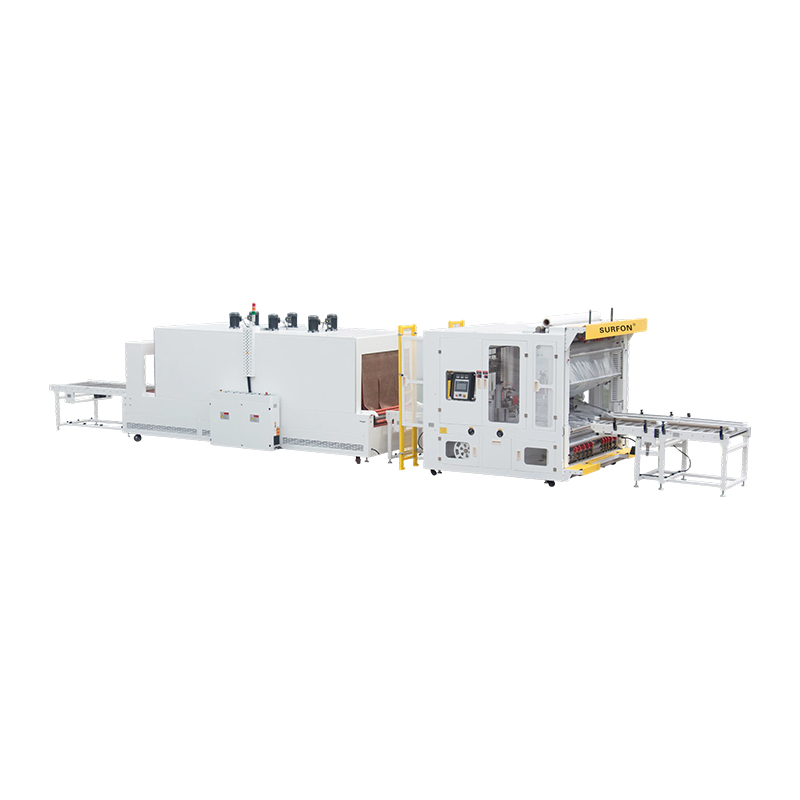
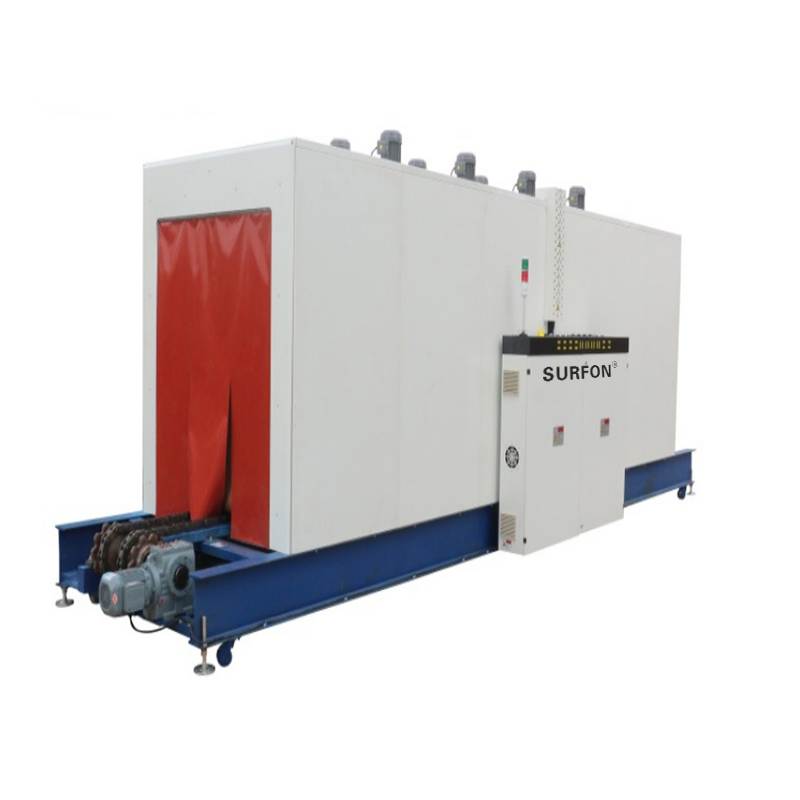 Pallet Shrink Wrapping Machine with Heat TunnelHeat-based pallet packaging that applies a PE film hood and shrinks it in a tunnel for a tight, five-sided weather-resistant cover.View Product →
Cold Stretch Hooding: A Useful Alternative to Heat
If your priority is weather resistance, load stability, and speed, a cold stretch hooder may be a better match than a shrink tunnel. It stretches an elastic hood over the pallet without heat, so there is no warm-up time and no heat exposure for temperature-sensitive goods. The hood stays tight during transport and gives the pallet a clean, closed appearance. For building materials and bagged goods, this method is often easier to fit into a busy line than a manual heat process.
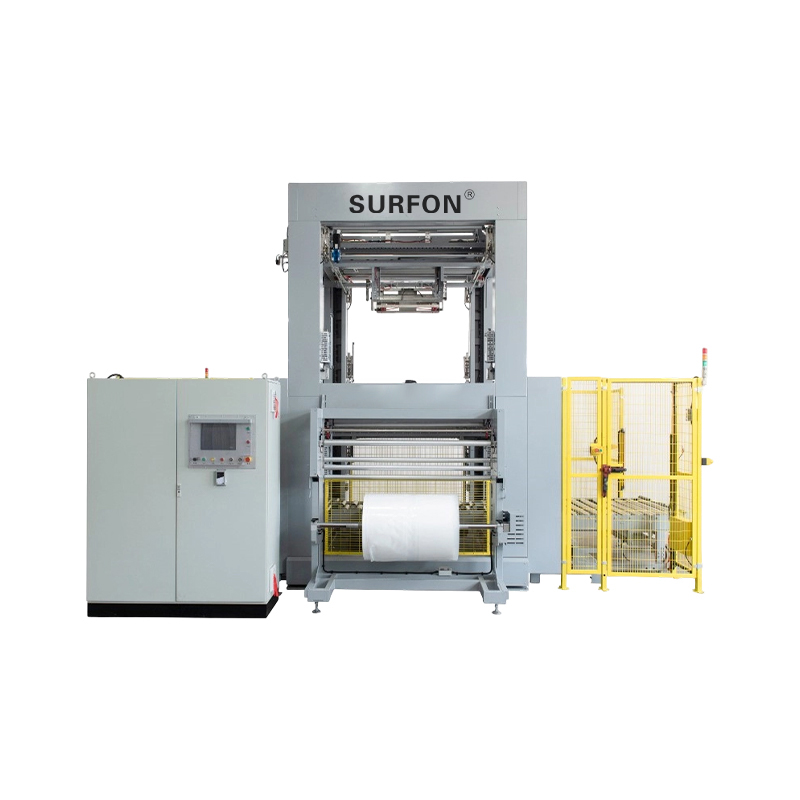 Fully-Auto Cold Stretch Hooding MachinesAutomatic ambient-temperature hooding equipment using elastic PE film, with vertical, economic and horizontal models for loads that should not pass through a heat tunnel.View Product →
It is not a universal replacement for heat shrink. Heat-shrink film can create a more sealed skin, which matters when dust or moisture protection is the main requirement. The practical choice comes down to load shape, film cost, throughput, and whether heat is acceptable for the product.
A Quick Quality Check After Wrapping
- The pallet is square and vertical, with no cartons shifted out of line.
- Stretch film has consistent overlap and a firm base; it should not bridge gaps or crush top layers.
- A heat-shrunk hood is smooth around corners, with no holes, scorch marks, or trapped air pockets.
- The top is tied in, and the bottom layer is secured to the pallet rather than hanging loose.
- Labels are readable, and no sharp edge is poking through the film.
- When you gently push the load, it moves as one unit; if the film slips, rewrap before dispatch.
The Practical Takeaway
Shrink wrapping a pallet well is mostly discipline: choose the right film, prepare the load, overlap consistently, and control heat. If you wrap by hand, keep the heat moving and inspect every pallet. If you wrap by machine, match the machine to your load range, film, and throughput. The result should be a pallet that arrives as square and protected as it left, not just a pallet that looks wrapped.
Our team has spent more than two decades building shrink and stretch packaging equipment for warehouses and manufacturers. The best process is the one your operators can repeat safely, pallet after pallet.



Copyright @ Shanghai KUKO Packing Machinery Co., Ltd. All rights reserved
